


 Artificial intelligence is beginning to reshape fleet safety, with AI-powered dashcams emerging as one of the first widely adopted uses of AI in fleet operations. But while adoption is growing, the technology – and how fleets use it – is still developing.
Suppliers such as Microlise are expanding AI camera capabilities through new partnerships. Its latest collaboration with Streamax introduces distraction and fatigue detection cameras that use AI to identify risky driver behaviour while also monitoring hazards on the road through advanced driver assistance systems.
These systems aim to tackle one of the biggest causes of collisions: driver distraction and fatigue, which are involved in around 80% of road incidents.
However, as fleets experiment with AI video telematics, experts warn the technology needs careful deployment. Suppliers such as Geotab and InsureVision say fleets should avoid lowering dashcam sensitivity to reduce false alerts, as this risks missing genuine safety events.
Instead, newer AI models are being trained to analyse how situations develop over time, prioritising the most serious incidents so fleet managers do not need to review thousands of clips.
Forward-facing cameras are already widely used to protect drivers from fraudulent claims, while inward-facing systems that monitor driver behaviour remain less common in the UK.
Similar Stories

Smarter maintenance, cutting fleet downtime, and keeping vehicles productive
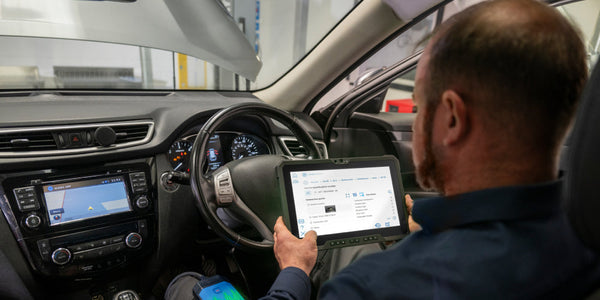
How AI and connected diagnostics can help fleets predict faults and speed up repairs
If reducing downtime is the objective, the challenge for fleets is increasing...

AI fleet systems are starting to recommend the next action
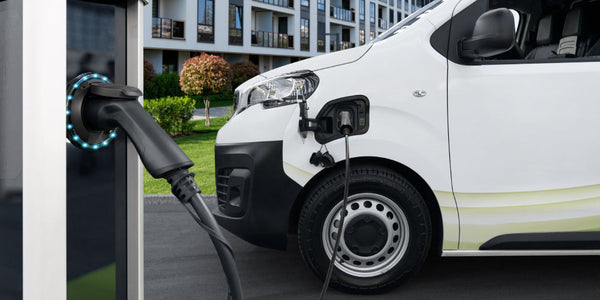
Seven in 10 UK tradespeople considering switch to electric vans, study finds
More than seven in 10 UK tradespeople are considering switching to an electri...

Better Fleet: Seven ways to scale your fleet without scaling the workload