


1. Start with your real operating profile, not generic assumptions
Decisions are often based on averages rather than how the fleet actually runs. The starting point should be your real-world duty cycle – how far vehicles travel, where they operate, and how they’re used across the day.
That includes:
- daily mileage and route type (urban, motorway, mixed)
- dwell time between jobs
- payload and utilisation patterns
Without that baseline, cost comparisons are theoretical rather than operational.
2. Build a single, connected TCO model
One of the biggest causes of uncertainty is fragmented data.
Fuel or energy costs, maintenance, utilisation and driver behaviour often sit in separate systems. That makes it difficult to understand true cost per mile, especially when comparing EVs with ICE.
Tools to explore:
- Webfleet EV Transition Tool – scenario modelling and EV suitability
- Volteum EV TCO Calculator – detailed cost forecasting
- Geotab / Samsara – unify operational and vehicle data

3. Model charging as a mix, not a headline rate
Fleets rarely rely on a single charging type. The reality is a mix – depot, home and public – each with different costs. The blend of these determines actual cost per mile.
Rather than using a single p/kWh figure, model:
- where vehicles actually charge
- how often they rely on public infrastructure
- how behaviour and routing affect charging patterns
Tools to explore:
- Zapmap – real-world pricing and network visibility
- Paua – consolidated public charging costs
- Allstar – blended energy cost tracking
4. Use nearly-new EVs to reduce financial exposure
When confidence is low, reducing exposure is key. Nearly-new EVs allow fleets to step in after the steepest depreciation, lowering monthly costs and limiting residual risk.
The growing supply of off-lease EVs is making this a viable strategy. Compiled with insight from Top Gear and AutoTrader, strong used EV options include:
- Nissan Leaf
- Kia e-Niro
- Hyundai Kona Electric
- Tesla Model 3

5. Use funding models to stabilise cost
How you fund vehicles is just as important as what you choose.
Leasing and salary sacrifice models are increasingly being used to reduce upfront capital exposure, remove residual value risk and create predictable monthly costs.
Providers to explore:
6. Validate battery risk with real data
Modern EVs typically retain the vast majority of their range over time, with failure rates extremely low. The issue isn’t performance, it’s confidence.
Fleets can reduce that uncertainty by checking battery health reports, validating warranty coverage and using real-world performance data.
Tools and services to explore:
- Cox Automotive – diagnostics and lifecycle support
- ClearWatt – battery health checker

7. Run controlled EV trials before scaling
Many fleets are avoiding large upfront commitments and testing first. Trials focused on predictable routes allow operators to measure:
- real-world energy cost
- operational fit
- driver experience
Where to start:
- Octopus Electric Vehicles – EV trials and onboarding support
-
Gridserve – infrastructure-backed pilots
8. TCO isn’t all about the car
While this edition focuses on EV costs, a large part of total cost sits elsewhere. Driver behaviour directly affects energy use, tyre wear and maintenance. Even with the right vehicle, inefficient driving can erode expected savings.
Tools to explore:
- Lightfoot – in-cab feedback and gamification
- Webfleet – performance tracking and coaching
- Samsara – real-time driver insights
The key point: EV cost is only one part of TCO. Ongoing operational control is what determines whether savings are actually delivered.
Join Better Fleet for best-practice planning that's proven through real-world case studies: Better Fleet Campaign

Similar Stories

Rightcharge and vaylens automate home charging reimbursement for fleets
Rightcharge and vaylens have partnered to automate home charging reimbursemen...
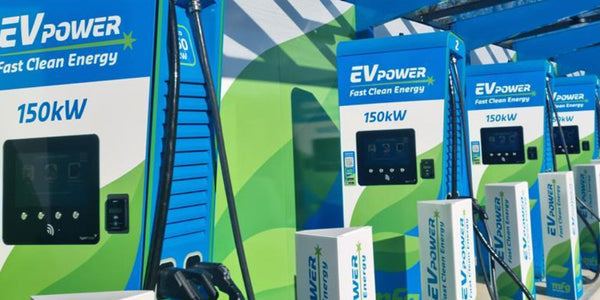
Public Charging Price Watch: app pricing widens the gap between tariffs
Public charging prices continue to diverge, making the way drivers pay increa...

Ultra-rapid charging growth accelerates by nearly 40%, Zapmap reveals
The UK’s public EV charging network added almost 8,700 chargers during the fi...

Business lease deals of the week: sporty hatchback or polished family SUV
From sporty hatchbacks to practical electric SUVs, we've picked out the best ...

Where is your fleet wasting money? Start with this advice from Webfleet’s Alex Crane-Robinson
Most fleets already have enough operational data to uncover meaningful saving...
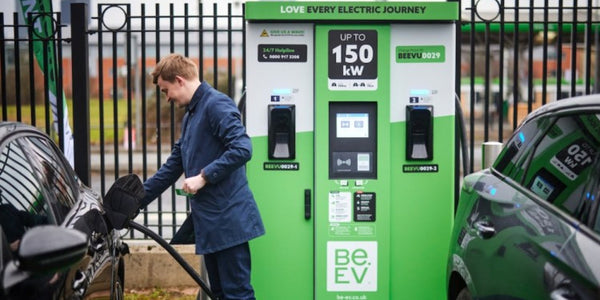
Public Charging Price Watch: subscriptions start to challenge PAYG
Public charging is moving beyond simple pence-per-kWh pricing, with subscript...

Public Charging Price Watch: off-peak tariffs widen the savings gap
Fleet managers willing to plan where and when drivers charge can now cut publ...