


Fleets that have got on top of EV reimbursement start by doing one thing differently:
They stop treating charging as one cost.
1. Break charging into real-world use cases
Good fleets separate:
- home charging (cheap, predictable)
- public charging (variable)
- rapid charging (expensive, often unavoidable)
Trying to force all of that into one rate is where things start to fall apart.
2. Choose your trade-off early
There are three workable approaches:
Stick with AER
Simple, compliant, but often inaccurate.
Reimburse actual cost
Fairer, but admin-heavy and difficult to scale.
Use managed reimbursement systems
Closer to real cost, without manual workload.
The Miles Consultancy puts it simply: AER is easy but can leave drivers out of pocket, while actual cost is fairer but harder to manage at scale.
3. Remove manual claims as quickly as possible
This is where most fleets get stuck. Receipts, spreadsheets and manual checks:
- slow everything down
- create errors
- make compliance harder
Ayvens highlights that automated systems can consolidate home, workplace and public charging into a single account, then invoice business usage automatically. The key shift is going from claiming to tracking.

4. Build policy before scale hits
A common mistake is fixing reimbursement after EV rollout. By then:
- drivers are already frustrated
- finance teams are already questioning costs
- processes are already embedded
The better approach is simple: define how reimbursement works before EVs scale across the fleet.
5. Make it fair – and make that visible
This is where it becomes a people issue. Steve Tigar at loveelectric again:
“When employees are effectively subsidising business travel… it creates stress and resentment.”
If drivers feel penalised for going electric, adoption slows. If they feel supported, uptake accelerates.
6. Match the solution to the driver
Not all drivers are the same:
- home-based drivers → home reimbursement tools
- high-mileage drivers → public charging solutions
- mixed fleets → blended systems
Solutions like Allstar Chargepass and TMC’s reimbursement platform are built around this reality – combining home, public and mileage data into one system.
Rather than chasing a perfect policy, good fleets build one that reflects how their drivers actually operate.
In the next article Better Fleet provides a scannable playbook that lays out the most effective products and solutions for efficient charging reimbursement.
Read more guidance in this series:
Why EV reimbursement is still unclear for fleets
A practical playbook for managing EV reimbursement
Join Better Fleet for best-practice planning that's proven through real-world case studies: Better Fleet Campaign

Similar Stories

Business lease shortlist: EVs for urban use, mainstream drives, family duties, and longer range
This week’s shortlist groups together four full EVs covering entry-level urba...
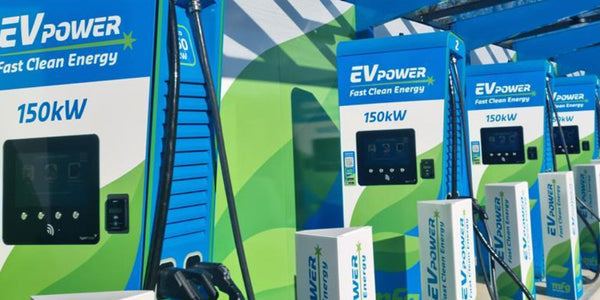
Public Charging Price Watch: app pricing widens the gap between tariffs
Public charging prices continue to diverge, making the way drivers pay increa...
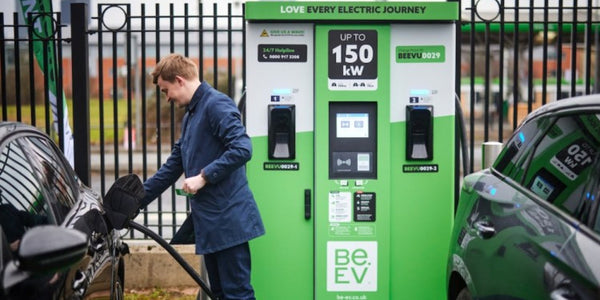
Public Charging Price Watch: subscriptions start to challenge PAYG
Public charging is moving beyond simple pence-per-kWh pricing, with subscript...
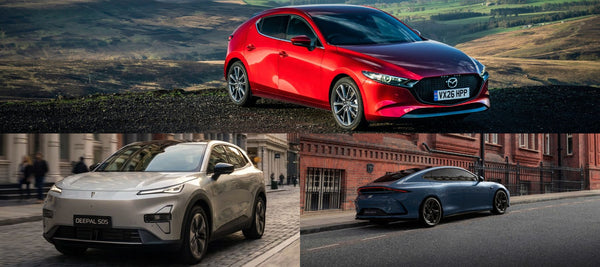
Business lease deals of the week: bargain hatchback or great value cruiser
Whether you're after a family hatchback at a bargain price or a great-value f...
Public Charging Price Watch: off-peak tariffs widen the savings gap
Fleet managers willing to plan where and when drivers charge can now cut publ...