


Fleet electrification is often framed as a technical or financial challenge. In practice, one of the biggest blockers is human. Even where vehicles are suitable, charging is available and the business case stacks up, hesitation from drivers can slow or derail EV rollouts altogether.
Driver resistance isn't a rejection of electrification. It's usually a response to uncertainty, unfamiliarity and perceived personal risk. In this opening Better Fleet article, we set out the core reasons driver resistance persists and why it is often underestimated during EV transitions.
The core drivers behind EV resistance
1. Change anxiety outweighs technical concerns
Concerns often start with range, charging or cost. But in reality, resistance is frequently emotional. For many drivers, internal combustion vehicles are deeply intuitive after decades of use. Switching to something more software led can feel like losing confidence and control.
Electric Vehicle UK explains that hesitation is often rooted in uncertainty around safety features, charging behaviour and trust in unfamiliar technology rather than factual performance limits.
2. Drivers struggle to picture EVs in their real lives
Generic information does not answer the question drivers care most about. Will this work for me. Range figures, policy documents and online research rarely address individual routines, home setups or job requirements.
Without personalised context, drivers fill the gaps with worst case assumptions.

3. Charging is perceived as complex and risky
Many drivers have never used public charging and have only ever refuelled in minutes at petrol stations. Charging introduces new variables such as locations, dwell times and apps.
When fleets do not actively guide drivers through this, charging becomes a source of anxiety rather than confidence.
4. Drivers feel change is being done to them, not with them
Resistance increases when drivers are presented with EVs without consultation or preparation. Mitie’s work with organisations such as Platform Housing Group highlights how early resistance softened once drivers were engaged, consulted and supported rather than simply assigned vehicles.
5. Education is often treated as optional rather than essential
Fleet managers juggle infrastructure, funding, residual values and procurement. Within that complexity, structured driver education is sometimes deprioritised. Electric Vehicle UK notes that while boards and finance teams need confidence, drivers do too.
Without education, myths persist longer than facts.
In the next Better Fleet article, we explore what actually shifts driver attitudes in practice and why hands on exposure consistently outperforms written guidance.
Read guidance in this series
Better Fleet: What changes driver attitudes to EVs in practice
Better Fleet: A practical playbook for reducing driver resistance to EVs
Or join Better Fleet for best-practice planning that's proven through real-world case studies:
Click here: Better Fleet Campaign

Similar Stories

Better Fleet: Design a fleet trial that proves value before rollout
Fleet pilots often produce positive results. That does not necessarily mean t...
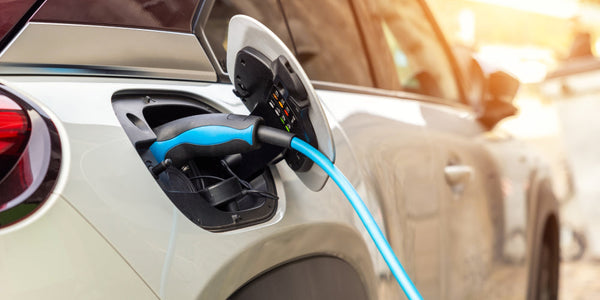
Better Fleet: Make the business case survive the contract
One of the weaknesses in traditional fleet procurement: A supplier may delive...

Better Fleet: Decide what has to be true instead of relying on supplier promises
Fleet suppliers increasingly sell measurable outcomes rather than simply prod...
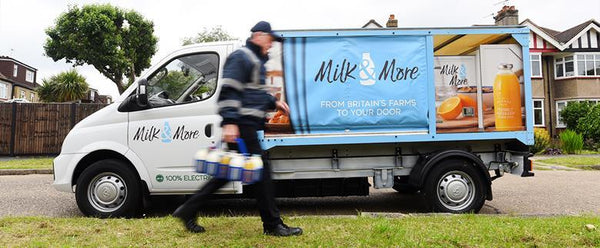
Success Stories: How Geotab telematics helped save Milk & More a cool £2m
The resulting fuel and energy savings provided a fast return on investment on...

Better Fleet: Futureproof EV policy by managing rules like an operating system
An EV policy written today will change as charging technology develops, vehic...
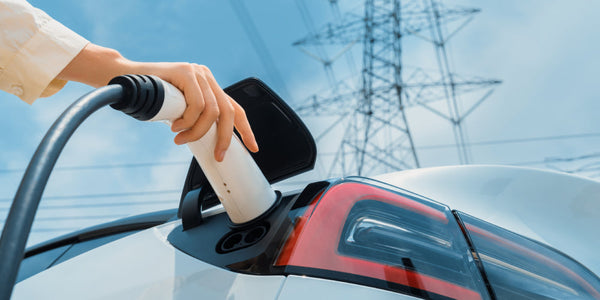
Better Fleet: EV adoption is creating policy debt, and exceptions are where it shows first
Most fleet policies were not designed around vehicles that refuel at an emplo...