


Fleet telematics gives managers more visibility of driver behaviour than ever before.
But FleetCheck is warning that simply collecting that information does not automatically improve compliance, and in some circumstances could make a business’s position more difficult following a serious incident.
The fleet software provider says key safety incidents and developing trends can be missed when businesses collect large volumes of telematics data without integrating it into a wider risk-management process.
The potential problem is foreseeability.
If telematics repeatedly records a particular risk but the fleet has no process for identifying, escalating or acting on it, authorities investigating a subsequent collision could potentially see evidence that the employer had prior warning.
For fleet managers, that means telematics policy needs to answer several practical questions.
What behaviour triggers intervention? Who reviews the information? How quickly should action be taken? When is driver coaching sufficient, and when should an issue be escalated? Is that response documented?
Telematics also cannot replace other compliance processes such as licence checks, vehicle inspections and maintenance controls.
The technology provides evidence. The management process determines whether that evidence actually reduces risk.
For fleets already paying for sophisticated vehicle data, this is a useful reminder that collecting more information only creates value when there is a clear process for acting on it.
Similar Stories

BMW, Renault, Volkswagen among top company car choices for fleets, with Chinese marques gaining ground
BMW, Renault and Skoda are among the leading choices for fleet operators, acc...
Business Lease Deals: four EVs showing how far fleet choice has expanded
This week’s Business Lease Deals illustrate the breadth now available at main...
Success Stories: Arcus FM’s first 100 electric vans have covered two million miles
Arcus FM has reached an important fleet-electrification milestone, with its f...
Suzuki Ignis EV revealed, targeting urban drivers with tiny dimensions
The all-new Suzuki Ignis has been revealed - its first compact electric vehic...

Ford unveils limited-edition Ranger Wolftrak with diesel and plug-in hybrid options
Ford has revealed its new limited edition Ranger Wolftrak, a pickup designed ...
Established manufacturers dominate UK’s most in-demand new EVs list
Established car manufacturers are continuing to attract strong interest from ...
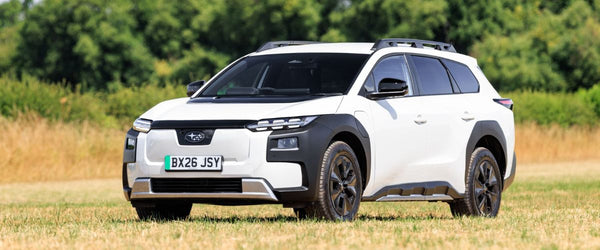
All-electric Subaru E-Outback goes on sale in the UK priced from £49,995
Subaru has announced pricing for its all-new E-Outback, an electric estate wi...
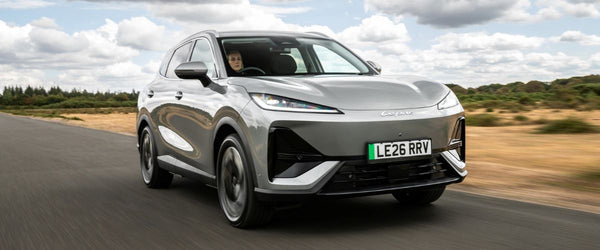
Lepas L6 EV priced from £34,995, up to 279 miles of range
Lepas has confirmed UK pricing for its first all-electric model, the L6 EV, w...
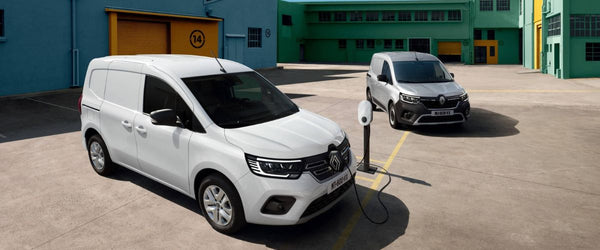
Renault upgrades van range with more electric range, faster charging and new tech
Renault has announced a series of upgrades to its commercial vehicle range; t...
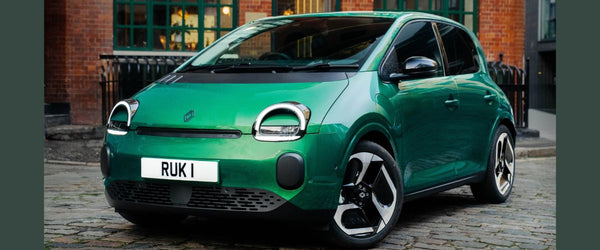
Renault Twingo EV starts at £14,745 with ECG - how does it compare with rivals?
Renault has confirmed UK pricing for its new Twingo E-Tech electric, with the...

iCAUR targets 40 UK retailers ahead of 2027 launch
New Chinese automotive brand, iCAUR is planning to open 40 franchised retaile...
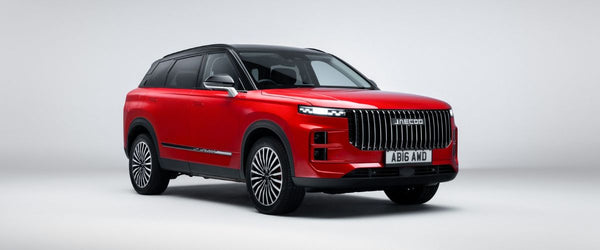
Jaecoo 7 gains longer electric range and AWD in flagship Luxury grade
Jaecoo has expanded its 7 plug-in hybrid line-up with a new flagship Luxury+ ...
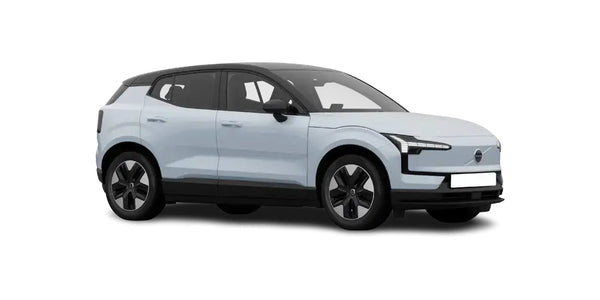
Business Lease Deals: four mainstream EVs from £227 a month
This week’s Business Lease Deals move away from ultra-budget EVs and look ins...
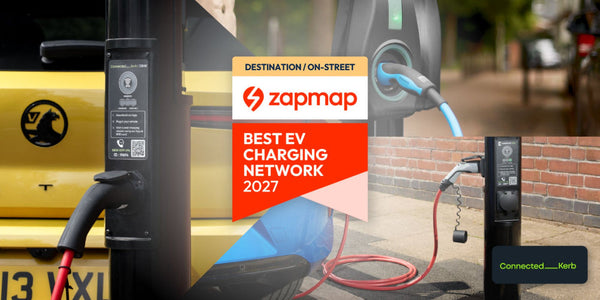
What the UK’s best-rated charging networks can teach fleet managers
Choosing a public-charging network purely on price risks overlooking some of ...
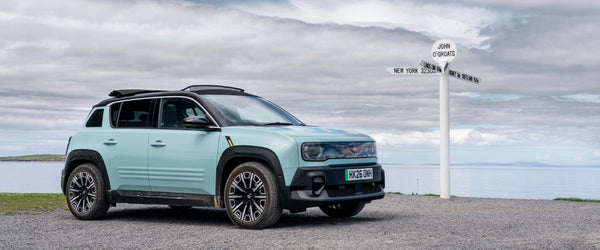
Proposed 'Made in Europe' policy could cost Brit manufacturers €1.8bn, says SMMT
Europe’s automotive industry is urging EU and UK leaders to act ahead of Frid...
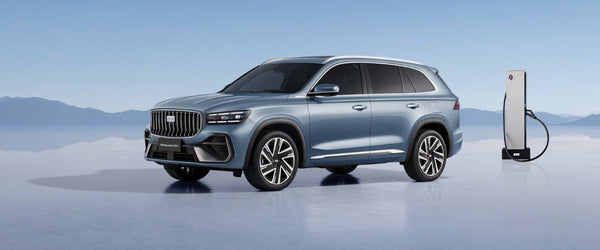
Geely reveals UK specification details for Monjaro SUV
Geely has revealed the powertrain and tech details of its new Monjaro EM-i Su...
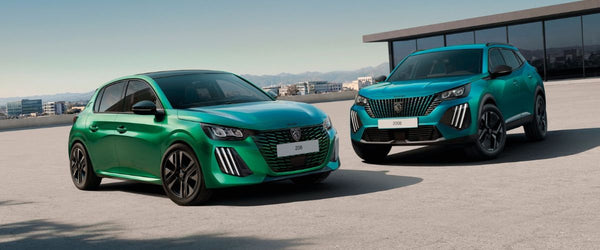
Peugeot introduces new Envy trim for 208 and 2008
Peugeot has introduced a new ENVY trim level for its 208 hatchback and 2008 S...
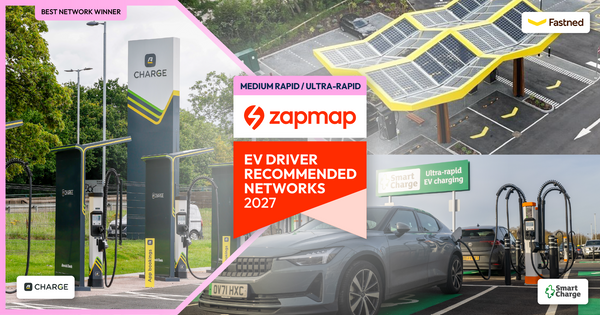
UK's favourite public EV charging networks revealed, Tesla Supercharger tops charts
Tesla, Arnold Clark Charge and Connected Kerb have been named the UK's best p...

Rising grid charges threaten to push up fleet EV charging costs
The cost of operating public rapid EV chargers has increased by 616% since 20...
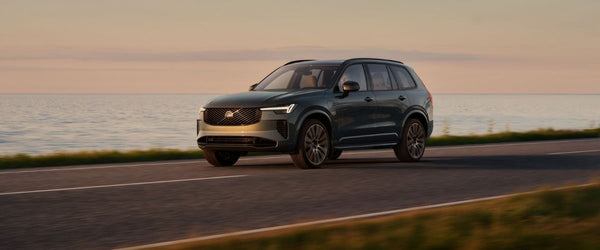
Order books open for refreshed Volvo SUVs, including 101 mile range PHEV
Volvo has opened UK order books for refreshed versions of its 40 series and X...
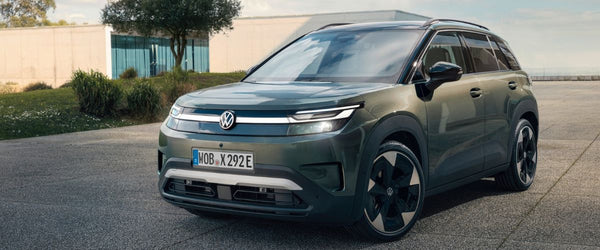
UK order books open for Volkswagen ID. Cross SUV
Volkswagen will open UK orders for its new all-electric ID. Cross compact SUV...
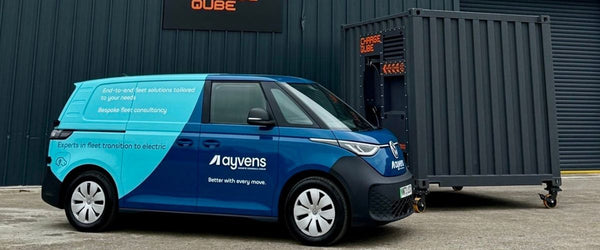
Ayvens and Fellten partnership brings shipping container EV chargers to fleet hubs
Fleets relying heavily on public charging infrastucture could have a new solu...
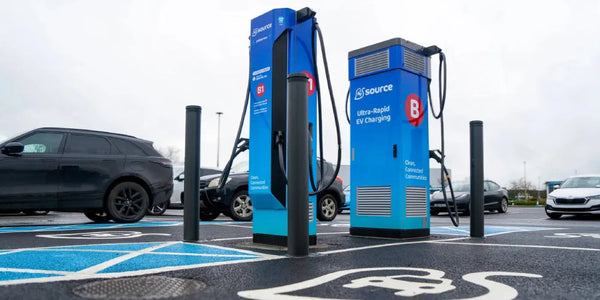
Lidl charging hub shows why van-friendly public charging needs more than a fast charger
Source has opened its first EV charging hub at a Lidl GB store, with one feat...

Should touchscreen usability become part of fleet vehicle selection?
Arval has highlighted growing concern around touchscreen-heavy vehicle interf...