


Figures from the company’s 1link Service Network platform show vehicles spent an average of 1.46 days off road for service, maintenance and repair (SMR) work in January 2026, 1.47 days in February and 1.53 days in March.
According to epyx, these are the lowest monthly downtime figures recorded since January 2020, before the disruption caused by the pandemic.
Downtime has been one of the fleet sector’s biggest operational pressures in recent years, driven by parts shortages, technician availability issues, ageing vehicles and growing pressure on workshop capacity.
Following the pandemic, downtime peaked at 1.83 days in May 2023 and reached 1.91 days in December 2025 before falling sharply in the first quarter of this year.
Tim Meadows, chief commercial officer at epyx, said the latest figures could indicate improving conditions for fleets, although volatility remained possible. “Downtime has been a major problem for fleets since the pandemic,” he said. “These include operating generally older vehicles, difficulties obtaining parts, a shortage of skilled technicians and higher demands on workshop capacity.
The data arrives as fleets and suppliers continue investing heavily in technologies and operating models designed to reduce downtime and improve SMR efficiency.
Recent developments reported by FleetWise include:
- epyx launching an automated SMR authorisation tool designed to reduce maintenance approval delays
- Volkswagen introducing connected van tools aimed at improving predictive maintenance and uptime management
- increased investment in mobile servicing models to reduce workshop dependency
This week, dealer group Startin also announced an expansion of its mobile SMR capability through a pilot programme deploying on-site service units for fleet customers.
Lee O’Connell, head of fleet at Startin Group, said the focus was on “simplicity and uptime” for operators.
“By investing in mobile servicing and specialist training, we can bring maintenance directly to the customer, minimise disruption and keep vehicles operating where they should be, on the road,” he said.
The growing focus on connected diagnostics, workflow automation and mobile servicing reflects how strategically important downtime reduction has become for modern fleets.
Similar Stories

Autonomous delivery starts competing for the shortest commercial journeys
Deliveroo and Coco Robotics are introducing autonomous delivery robots into U...

Electric rigid trucks are becoming a practical regional fleet option
The growing IVECO S-eWay range shows how battery-electric trucks are expandin...

AA puts vehicle downtime at the centre of fleet resilience
The AA has used Fleet & Mobility Live 2026 to launch a new report focused...
Record electric-van month gives fleets more confidence to move suitable routes
September delivered the strongest month yet for battery-electric van registra...

PayByPhone gives fleets live control of parking spend
PayByPhone has launched Mission Control for Business, giving fleet operators ...

Rightcharge and vaylens automate home charging reimbursement for fleets
Rightcharge and vaylens have partnered to automate home charging reimbursemen...
Openreach puts connected technology across 23,000 vehicles
Openreach is introducing Geotab connected-vehicle technology across more than...
Chinese EV tariffs could reshape fleet pricing and choice
The UK Government is considering possible tariffs on Chinese-made electric ve...

Jaguar Type 01 offers fleets a new boardroom express
After over three years of waiting, the Jaguar Type 01 has finally lifted cove...

Freelander brand confirms it will launch in UK
The revived Freelander name is set to return to the UK as a standalone automo...

Cupra Tavascan gains entry-level model, starts from £39,995
Cupra has expanded its all-electric Tavascan range with a new entry-level spe...
Ultra-rapid charging growth accelerates by nearly 40%, Zapmap reveals
The UK’s public EV charging network added almost 8,700 chargers during the fi...
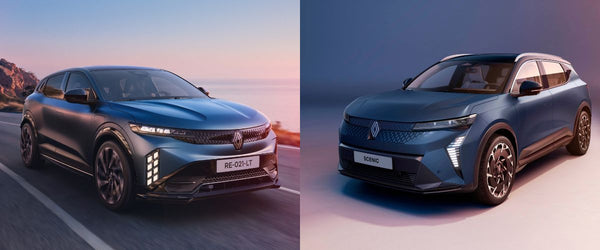
Renault ups driving range on Megane and Scenic E-Tech, both eligible for £3,750 government grant
Renault has revamped its Megane E-Tech electric and Scenic E-Tech models with...

Hyundai Ioniq 3 eligible for £3,750 Electric Car Grant, now starts from £18,495
The Hyundai Ioniq 3 is now eligible for the UK Government's Band 1 Electric C...

Omoda & Jaecoo launches UK parts hub network to cut vehicle downtime
Omoda & Jaecoo UK has launched an eight-site regional parts distribution ...
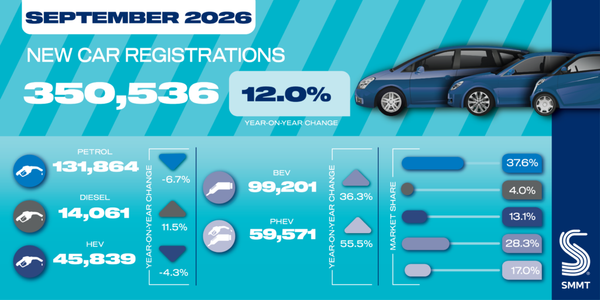
Electrified cars take 58.4% market share in September, legacy brands overtaken by Jaecoo, Tesla
Figures from the Society of Motor Manufacturers and Traders (SMMT) shows Sept...
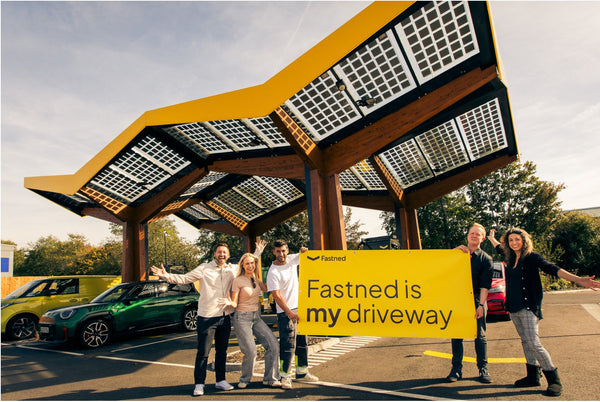
Fastned offers EV drivers £25 charging credit as VAT gap widens

Roadchef deal expands ultra-fast charging options for high-mileage fleets
Roadchef has signed a new agreement with bp pulse to expand ultra-fast EV cha...

Small fleets increasingly need access to big-fleet expertise
The Association of Fleet Professionals is offering 50 funded memberships to s...

Longer EV test drives could improve salary-sacrifice uptake
Extended test drives are emerging as another way for fleets to increase emplo...

Arval’s 30% EV milestone shows fleet electrification moving beyond pilots
Electric vehicles now account for more than 30% of Arval UK’s leased fleet, p...

Success Stories: Dundee shows what an energy-first fleet strategy looks like
Dundee City Council has built a fleet-energy model that combines solar genera...
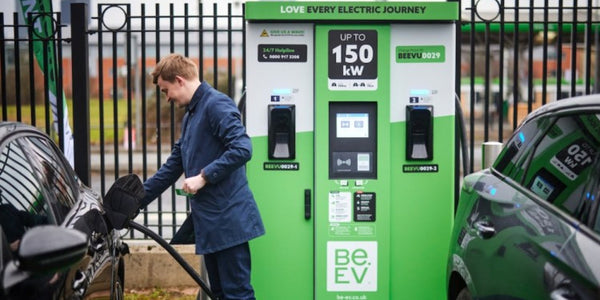
Public Charging Price Watch: subscriptions start to challenge PAYG
Public charging is moving beyond simple pence-per-kWh pricing, with subscript...

Business lease shortlist: 4 EVs for different fleet grades
Electric company-car choice is now broad enough that fleets can build genuine...

Range Rover Sport Electric unveiled, starting from £109k
The next model in the fully electric Range Rover lineup has been announced, s...
BMW 3-Series unveiled, adopts Neue Klasse styling
The next-generation BMW 3-Series has been unveiled, revealing that it will ad...
Mazda Service Plan expanded to include out-of-warranty cars
Mazda has launched a new service plan designed to bring more out-of-warranty ...

Electric vans could slash fuel costs by 87%, says Volkswagen
Van drivers could cut annual fuel costs by up to 87% by switching from diesel...
Business lease deals of the week: bargain hatchback or great value cruiser
Whether you're after a family hatchback at a bargain price or a great-value f...
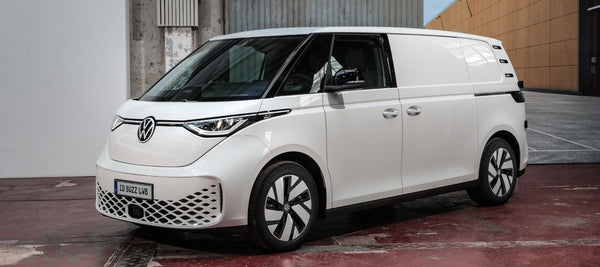
Volkswagen introduces long-wheelbase ID. Buzz Cargo
Volkswagen Commercial Vehicles has unveiled a new long-wheelbase version of t...

MG ZS, HG and MG3 updated with revised Hybrid+ powertrain
MG has updated its MG3, ZS and HS ranges with additional standard equipment a...

Nissan Pixo unveiled as affordable electric city car
Nissan has unveiled the new Pixo, a compact electric city car that's twinned ...
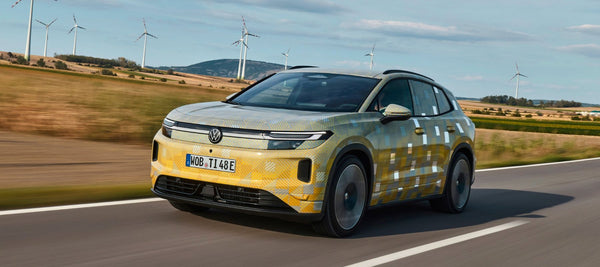
Volkswagen ID. Tiguan previewed ahead of October reveal
The Volkswagen ID. Tiguan is being added to the brand's all-electric lineup, ...
Better Fleet: Build a route risk model before reserving your longest journeys for diesel
How should fleets formalise route risk so difficult journeys don't unnecessar...

Better Fleet: Why vehicle allocation could become a live optimisation decision
How could vehicle allocation become dynamic across the entire fleet? The bigg...

Better Fleet: Stop asking about range and ask about operational margin
How should an experienced fleet manager quantify whether one vehicle is suita...
Public Charging Price Watch: off-peak tariffs widen the savings gap
Fleet managers willing to plan where and when drivers charge can now cut publ...

London tunnel charges have changed – check fleet systems now
Charges for using the Blackwall and Silvertown tunnels changed on 21 Septembe...
Young-driver EV demand strengthens the case for policy certainty
New E.ON Next research shows younger drivers are increasingly treating electr...
Smarter grid connections could accelerate the next wave of rapid charging
GRIDSERVE and Extra have opened a new 24-bay ultra-rapid charging hub at Cobh...

Business lease shortlist: four electrified cars for different fleet roles
This week's business lease shortlist covers a value-focused EV hatchback, a s...

Could your fleet be owed money from the £56m vehicle-shipping settlement?
Fleet operators that bought or leased new vehicles between October 2006 and S...

EVs now account for more than a quarter of new UK car registrations
Fresh Department for Transport data shows zero-emission vehicles continuing t...