


Fleet repair bills are climbing sharply, with new claims data showing some routine faults now costing double-digit percentages more than a year ago.
Analysis from Warranty Solutions Group found alternator repairs recorded the biggest increase, rising 23% year-on-year from an average of £492 in 2024 to £607 in 2025. The figures are based on more than 20,000 real-world warranty repairs.
Rising labour rates, parts inflation and increasingly complex vehicle technology are all contributing to higher SMR costs. Even relatively small jobs are becoming more expensive as workshop labour rates have increased by around 5% in the past year, adding £20–£40 to many routine repairs.
The data also highlights a growing postcode lottery, with garages in London and the South East charging significantly more than those in the Midlands and North for identical work.
Five ways fleets can control SMR costs
1. Prioritise preventative maintenance
Routine servicing and early fault detection are still the most effective way to avoid larger repair bills. Fleet maintenance platforms such as FleetCheck help managers schedule inspections, track vehicle health and ensure servicing is carried out on time, reducing the risk of unexpected failures.
2. Review vehicle replacement cycles
Cars aged four to seven years are now responsible for a disproportionate share of rising repair costs.
3. Benchmark garage labour rates
Regional SMR costs vary significantly, so reviewing workshop networks can help control spending.
4. Use predictive maintenance tools
Telematics systems can identify developing faults before they become breakdowns. Platforms such as Geotab, Samsara and MICHELIN Connected Fleet monitor vehicle diagnostics, engine warning codes and driving behaviour in real time, helping fleets schedule repairs earlier and reduce downtime.
5. Consider warranty protection
Warranty cover can help protect fleets from high-value repair bills. Providers such as RAC offer vehicle warranty protection designed to help drivers and fleets manage unexpected repair costs.
Similar Stories
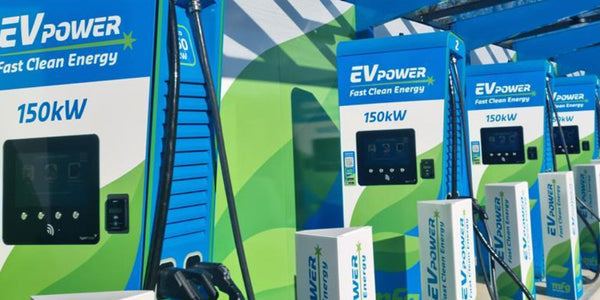
Public Charging Price Watch: app pricing widens the gap between tariffs
Public charging prices continue to diverge, making the way drivers pay increa...

Business lease deals of the week: sporty hatchback or polished family SUV
From sporty hatchbacks to practical electric SUVs, we've picked out the best ...

Where is your fleet wasting money? Start with this advice from Webfleet’s Alex Crane-Robinson
Most fleets already have enough operational data to uncover meaningful saving...
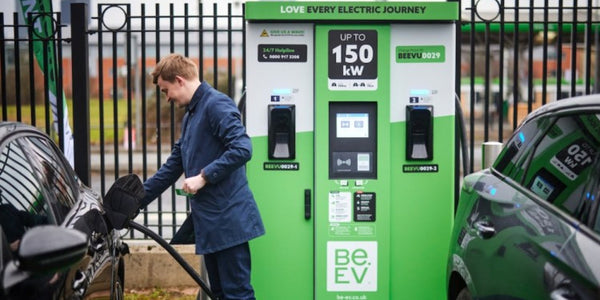
Public Charging Price Watch: subscriptions start to challenge PAYG
Public charging is moving beyond simple pence-per-kWh pricing, with subscript...
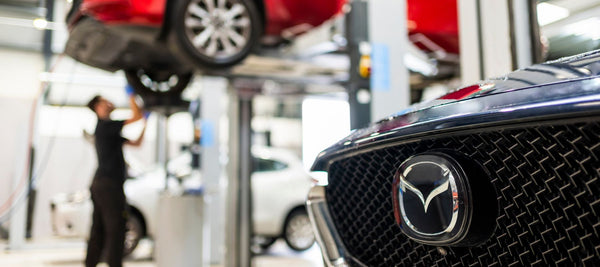
Mazda Service Plan expanded to include out-of-warranty cars
Mazda has launched a new service plan designed to bring more out-of-warranty ...