


Proposals for a new electric vehicle pay-per-mile tax (eVED) are drawing increasing attention from fleet operators, with questions emerging around cost, fairness and unintended consequences.
Under plans announced at last year’s Autumn Budget, zero-emission cars would be charged 3p per mile from April 2028, on top of existing road taxes. Plug-in hybrids would face a lower 1.5p per mile, with both rates rising annually in line with CPI. The Treasury argues the move is needed as fuel duty receipts fall - revenues between April and September 2025 were £12.2bn, £26m lower than the same period in 2024.
Driver body EVA England has launched a national survey to gather views on eVED and the public charging network, warning drivers risk becoming a “forgotten voice” in debates often led by manufacturers and infrastructure providers. Chief executive Vicky Edmonds said the aim is to ensure policies reflect “what’s fair and practical in real life”.
However, concerns are also emerging around compliance. FleetCheck has warned that mileage-based tax could increase vehicle clocking. CEO Peter Golding said an EV covering 20,000 miles a year would face a £600 eVED bill, creating temptation to alter odometer readings, an issue already affecting around one in seven cars.
With the Government’s eVED consultation closing on 18 March, fleet voices are likely to play a critical role in shaping what comes next.
See more news News – FleetWise
Similar Stories
Chery, Jaecoo and Omoda boost warranties to give fleets more confidence
The Chery Automobile group, which also controls Jaecoo and Omoda, has extende...
Aion UT supermini to be priced from £28,950
The Aion UT is the new Chinese supermini ready to take on established Europea...
Meet the Genesis GV90 - full-size electric SUV fights Range Rover
Fleets considering full-size luxury SUVs have a new challenger alongside the ...
2027 Hyundai Tucson unveiled | Bolder styling, high tech cabin
Fleets shopping in the mid-size family SUV segment have consistently shortlis...
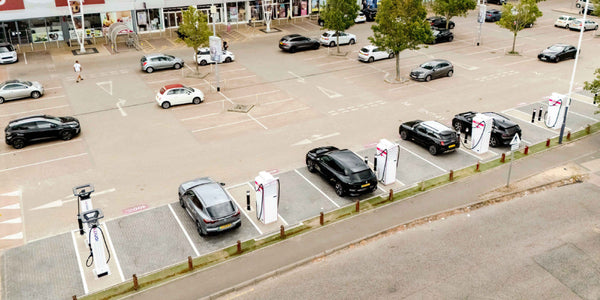
Ultra-rapid charging is moving closer to where fleet vehicles work
Ultra-rapid charging is increasingly moving beyond motorway corridors and int...

Safety technology only works best if drivers trust it
New Teletrac Navman research found 74% of well-prepared drivers rated their c...
Electric vans' potential met when fleets solve the operational gap
Arval’s 2026 Fleet and Mobility Observatory Barometer found UK LCV operators ...
New planning rules could make fleet infrastructure easier to deliver
The revised National Planning Policy Framework introduces a specific freight ...

New emissions rules could make maintenance history even more important
The Department for Transport is consulting on rules that would require in-use...
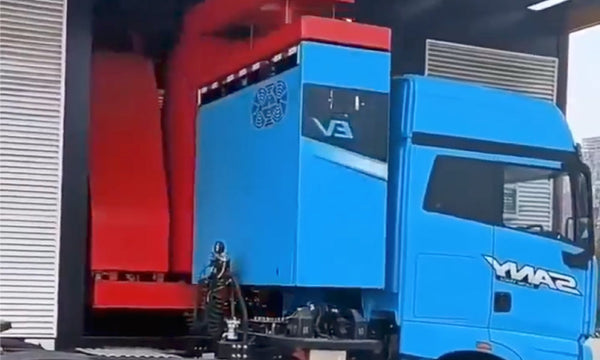
VIDEO: Battery swapping could offer a new route to electric HGV uptime
EMobility has highlighted CATL’s QIJI system, which can replace a heavy-truck...
Van overloading rise puts fleet compliance under pressure
Van fleets should review loading controls after new DVSA data showed overload...
Omoda&Jaecoo UK sells 100,000 cars in less than two years
Omoda&Jaecoo UK has surpassed 100,000 vehicle registrations in less than ...
ZEV mandate consultation: 'timely opportunity to optimise the pace of change' says SMMT
Following the recent announcement of the UK Government launching a consultati...
UK garages call for MOT cost cap to increase to £95
Fleets running vehicles over three years old could be facing a cost increase ...

Mercedes-Benz C-Class facelift unveiled | New grille, new tech
The combustion-engine Mercedes-Benz C-Class has been updated as part of its m...
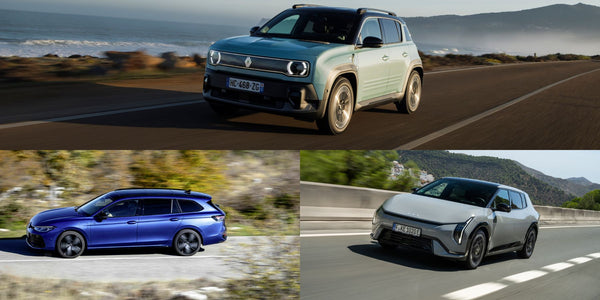
Business lease deals of the week: retro revival or large family estate?
See this week's top business lease deals for company car drivers. From a char...
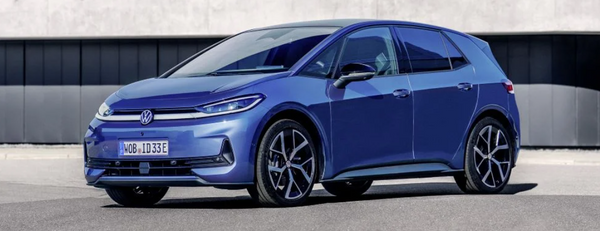
Volkswagen ID.3 Neo goes on sale - all models eligible for £1,500 grant
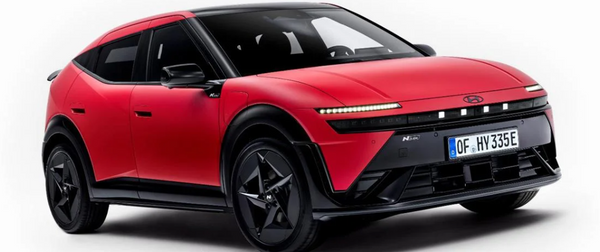
Hyundai Ioniq 3 goes on sale in UK, priced from £22,245
Fleet buyers considering small electric vehicles have a new contender to cons...
Better Fleet: A practical playbook for choosing fleet software
Fleet software should solve problems, not create more systems to manage. Befo...

Better Fleet: What an effective fleet software setup actually looks like
A good fleet technology setup does not necessarily mean putting everything in...

Better Fleet: What fleet software actually is and how you can get more value from it
Fleet software should make running vehicles easier. Yet the term now covers s...

Mileage blockers threaten EV pay per-mile tax - but new legislation in the works, says RAC
With just two-years until the UK Government launches its pay per-mile road ta...
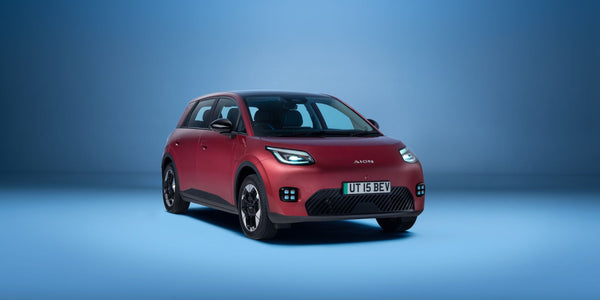
Aion UT supermini coming to UK, designed to take on Europe
Chinese car manufacturer, Aion has unveiled its new UT electric supermini, wh...

Longer EV replacement cycles make warranty cover more important
As more early electric vehicles move beyond their original manufacturer prote...
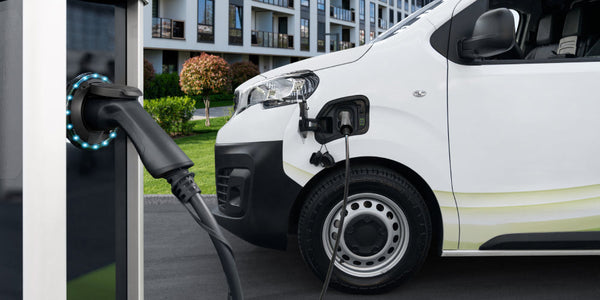
Electric van choice is improving rapidly – fleets should reassess the market
Electric models dominate much of the shortlist for the 2027 International Van...