


The UK’s largest and longest-running annual study of electric vehicle (EV) charging behaviour from Zapmap has revealed a clear shift in driver sentiment and charging habits. Conducted in September–October 2025, this year’s findings reflect a public charging landscape that is expanding, maturing, and increasingly aligned with the needs of a rapidly growing EV driver base.
Now in its eighth year, the survey gathered responses from 3,976 battery-electric vehicle (BEV) drivers and provides one of the most comprehensive insights into driver behaviour, satisfaction, and the evolution of public and near-home charging across the UK.
EV Drivers Remain Strong Advocates for Electric Mobility
The research shows overwhelming positivity towards EV ownership. Overall driver satisfaction remains high at 88%, up from 87% in 2024, demonstrating that confidence in electric mobility remains rock-solid despite a year of heightened focus on running costs.
Notably, 83% of drivers now say their EV is more cost-effective than an ICE vehicle, compared to 78% last year. Environmental benefits continue to be a key motivator, cited by 72% of respondents, while the proportion highlighting performance has risen significantly to 70% (up from 65%). Only 3% of drivers indicate any desire to return to internal combustion – a figure unchanged year-on-year.
Public Charging Satisfaction Climbs Again
Satisfaction with the UK’s public charging experience has increased for the second year running, with an average rating of 69 out of 100, up five points from 2024. Six in ten drivers feel public charging has improved over the past year.
This positive trend is bolstered by the rollout of over 13,000 additional public charging devices since October 2024 and improved reliability scores across many charging networks.
Importantly, access to home charging does not influence confidence in using the public network. Driver confidence stands consistently at around 73–74% regardless of whether respondents have off-street parking—reflecting a market increasingly supported by reliable destination, hub, and near-home solutions.
Drivers Without Home Charging Continue to Grow
The proportion of drivers without home charging has increased slightly to 23%, compared to 21% last year. This reinforces the importance of public charging infrastructure—particularly near-home, destination and workplace facilities—supporting the growing share of drivers switching to electric without a driveway.
A notable behavioural insight from this year’s study shows that while 49% of drivers use public charging less than once a month, over half of this group do so intensely during key periods such as the summer holidays or festive travel. This suggests a sizeable cohort that relies on public charging episodically rather than consistently, and may therefore face steeper learning curves around network differences.
Charging Hubs Overtake Motorway Services
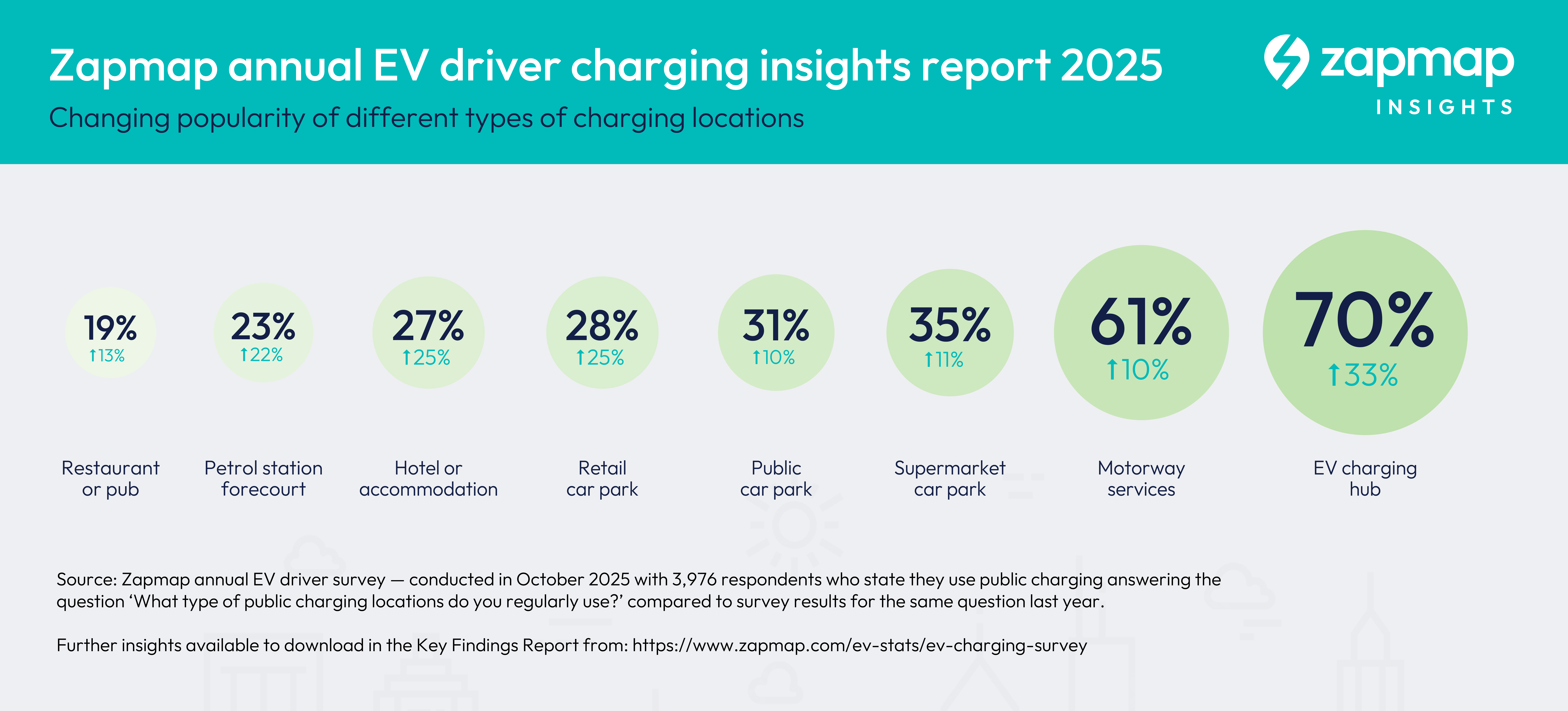
The most significant shift in charging behaviour this year is the rise of dedicated charging hubs, which have now overtaken motorway service areas as the UK’s most popular charging location.
Usage has grown rapidly—from 34% in 2022 to 70% in 2025—reflecting the rollout of high-power, multi-bay sites that offer reliability, convenience, and strategic location benefits for both long-distance and local drivers.
An additional 219 hubs were added in the last year, bringing the UK total to 924. Hub popularity underscores the impact of targeted infrastructure investment that aligns charging capacity with real-world driver needs.
Two networks—GRIDSERVE Electric Highway and Instavolt—were the most used over the last six months, each accessed by 53% of respondents.
Hotel & Accommodation Charging Gains Momentum
One emerging trend highlighted by the study is the rapid growth of hotel-based charging. Provision at accommodation sites has increased by nearly 36% in 2025, with 28% of EV drivers now using these locations. This demonstrates a growing commercial recognition that EV charging is becoming an essential service for travellers and guests.
Industry Voices: Meeting Future Demand
The findings once again illustrate the pace of change in the UK charging ecosystem and the importance of aligning infrastructure with real-world experience. Commenting on the results, survey contributors emphasised the importance of maintaining momentum:
Jade Edwards, Head of Insights, said:
“In the rapidly evolving public charging landscape, the EV driver survey provides valuable insights into their changing needs, providing actionable guidance for industry to meet and anticipate future demand.
Comparing driver sentiment with more qualitative data on the size and shape of the charging infrastructure highlights how the industry is keeping pace with demand across different use cases. With over 1.7 million BEVs now on our roads, it’s good to see that satisfaction levels continue to rise. To ensure this trajectory continues as EVs move into the mainstream, we need to ensure that public and private sectors work in step to ensure equitable and affordable access to public charging.”
Dora Clarke, Head of Brand & External Affairs at Osprey, added:
“The full findings of the Annual Driver Survey give us important extra detail on how drivers choose and use charge points in the real world, informing our location strategy, site development and design, and customer experience improvements over time.”
About the Study
Sample: 3,976 BEV drivers (PHEV drivers excluded)
Timing: September–October 2025
Topics covered:
EV ownership motivations
Home charging access
Public charging behaviour
Charging location preferences
Key influencers on charging decisions
Methodology: 15–20-minute online survey.
Similar Stories
Business lease deals of the week: popular hatchback or hybrid estate?
This week, via Carwow.co.uk, we've picked out three business lease deals to s...
Uncertainty over BiK rates delays salary sacrifice decisions
Uncertainty over future Benefit-in-Kind (BiK) tax rates is prompting drivers ...
Volvo EX60 production ramp-up delayed as model receives 50,000 orders
Fleets may have to wait longer than anticipated if operators have ordered the...

Better Fleet: Design a fleet trial that proves value before rollout
Fleet pilots often produce positive results. That does not necessarily mean t...

Better Fleet: How analysing supplier claims leads to better procurement
Fleet suppliers increasingly sell measurable outcomes rather than simply prod...
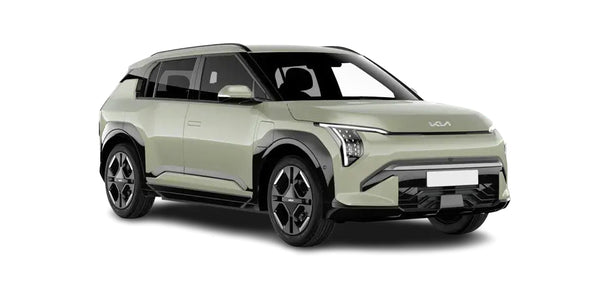
Business Lease Shortlist: four EVs for functionality, family and fun
This week’s business lease shortlist focuses on four fully electric vehicles ...
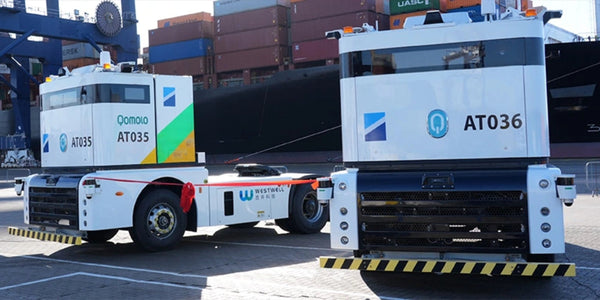
Success Stories: Felixstowe shows autonomous electric fleets working at scale
The Port of Felixstowe is expanding its autonomous electric truck fleet to 10...
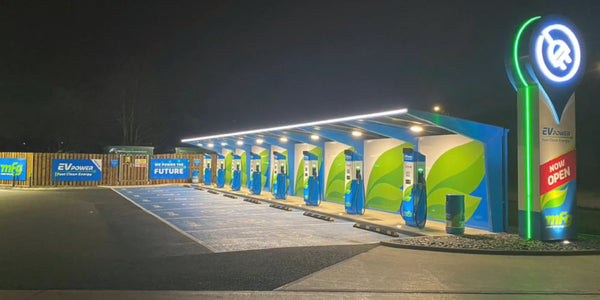
Public Charging Price Watch: network choice can add £18 to a single charge
The difference between public rapid-charging tariffs remains wide enough to m...
New home-charging rights could widen company-car EV appeal
Government proposals could make it easier for tenants and leaseholders in Eng...
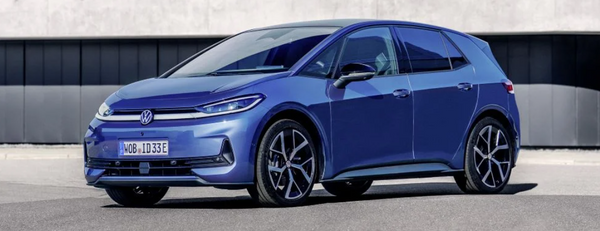
All the cars available with the UK Government's Electric Car Grant
Throughout 2026, the list of electric vehicles (EVs) eligible for the UK Gove...
Simplifying fleet electrification starts with smarter integration and less admin
Fleet electrification has transformed the role of the fleet manager, bringing...
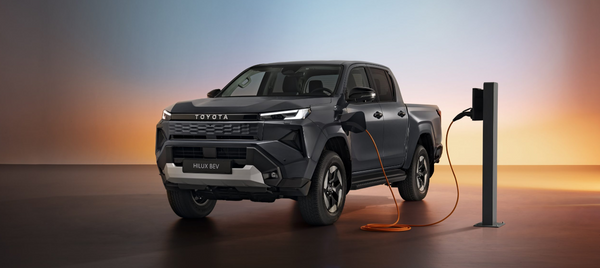
Toyota calls for greater flexibility in UK and EU emissions regulations
Toyota has called for more flexible vehicle emissions regulations in the UK a...
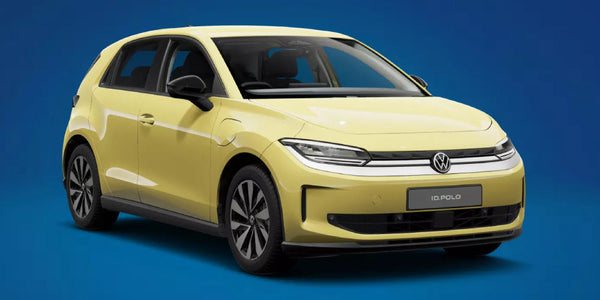
Business Lease Shortlist: four fresh electrified options for fleet drivers
This week’s Business Lease Shortlist brings together four vehicles covering a...

Fleets should prepare now for the next £170m depot charging funding window
Fleet operators planning electric vans, trucks or coaches should start prepar...
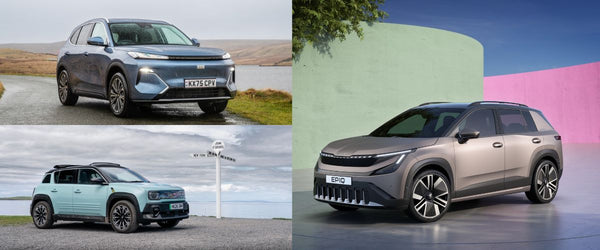
Business lease deals of the week: sub £200p/m winners
This week’s Business Lease Deals of the Week brings together three compelling...
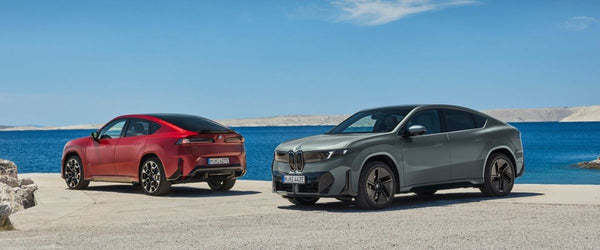
BMW iX4 unveiled with up to 514-miles of range
BMW has unveiled its new fully-electric iX4, with the Neue Klasse SUV coupe s...
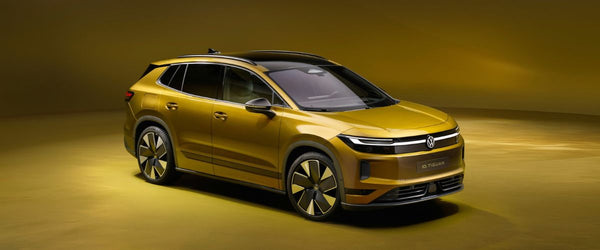
Volkswagen ID. Tiguan unveiled, replaces ID.4 and ID.5
Volkswagen has unveiled the new ID. Tiguan, an all-electric mid-size SUV set ...
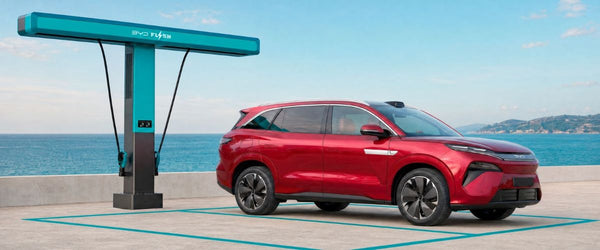
BYD Atto 8 unveiled with Flash charging capabilities, 10-97% in 9 mins
BYD has unveiled its new flagship all-electric SUV, the Atto 8, at the Paris ...
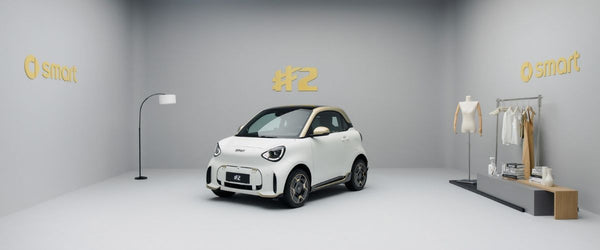
Smart #2 revealed, offering fleets an ultra-compact city runaround
Smart has unveiled its all-electric #2 two-seater at the Paris Motor Show, re...