


Andy Burnham’s approach to electric vehicle policy could influence fleet supply, pricing and charging investment if he becomes Prime Minister.
According to reporting by Tom Riley in The Fast Charge, the planned review of the Zero Emission Vehicle mandate appears to have stalled during Labour’s leadership transition.
The review could reconsider the proportion of pure-electric vehicles manufacturers must sell before 2030, while retaining the existing 2030 and 2035 phase-out dates.
Burnham has not yet set out a detailed national EV policy. However, his Greater Manchester administration has supported electric buses, charging infrastructure, and wider transport decarbonisation.
For fleets, the immediate concern is uncertainty. A weaker mandate could affect EV availability, manufacturer incentives, residual values, and confidence in charging investment.
Fleet managers should avoid pausing viable electrification plans solely because policy may change. Instead, replacement strategies should be tested against both outcomes: the current mandate remaining in place or greater flexibility being introduced for hybrids.
Clear direction will be essential to prevent delayed procurement and investment decisions across the fleet sector.
Andy Burnham’s EV stance at a glance:
- Support for the 2030/2035 transition is likely to continue, with more emphasis on affordability and consumer choice.
- Charging infrastructure could become a bigger priority, particularly in underserved towns and suburban areas.
- EV policy may be tied more closely to UK manufacturing, battery supply chains and public procurement.
- More funding and decision-making could be devolved to mayors and local authorities.
- Electric buses and wider public transport decarbonisation are likely to remain central.
- Consumer incentives, Benefit-in-Kind, VED and future road taxation remain unclear.
- The likely approach is pragmatic: make electrification easier through infrastructure, local delivery and industrial strategy rather than relying on targets alone.
Similar Stories

ZEV mandate review closes – what fleet managers should watch next
The Government’s review of the Zero Emission Vehicle Mandate closes on 23 Oct...

New home-charging rights could widen company-car EV appeal
Government proposals could make it easier for tenants and leaseholders in Eng...
Government unveils tougher rules on private parking charges
Drivers will receive greater protection against unfair private parking charge...

Government targets clocking with tougher action against used car dealers
The UK Government is proposing tougher action against used-car dealers that m...
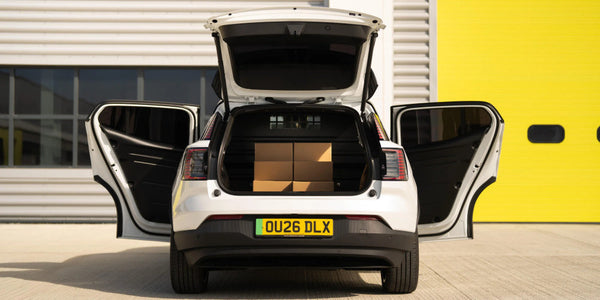
£2500 grant strengthens the case for compact electric vans
Volvo's new EX30 Cargo has secured eligibility for the Government's Zero Emis...

Fleets should prepare now for the next £170m depot charging funding window
Fleet operators planning electric vans, trucks or coaches should start prepar...