


By 2030, replacing an EV battery may cost less than repairing an ICE engine, according to Recurrent, which analyses battery health for used EVs.
Falling battery prices are driving this trend. Battery replacement, equivalent to the full value of a used car in 2020, now costs around 75%. By the decade’s end, it’s expected to drop to just 30%.
This shift is fuelled by declining EV battery costs, with Goldman Sachs predicting prices will hit around £65 per kWh by 2026 – almost 50% lower than 2023 levels. Raw material costs caused a spike in 2022, but prices have generally fallen since 2008, with the US Department of Energy estimating a 90% decline over that period.
Similar Stories

Rightcharge and vaylens automate home charging reimbursement for fleets
Rightcharge and vaylens have partnered to automate home charging reimbursemen...
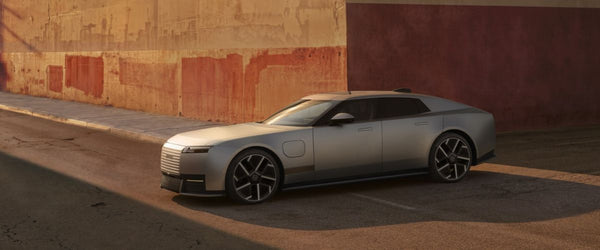
Jaguar Type 01 offers fleets a new boardroom express
After over three years of waiting, the Jaguar Type 01 has finally lifted cove...

Cupra Tavascan gains entry-level model, starts from £39,995
Cupra has expanded its all-electric Tavascan range with a new entry-level spe...
Ultra-rapid charging growth accelerates by nearly 40%, Zapmap reveals
The UK’s public EV charging network added almost 8,700 chargers during the fi...
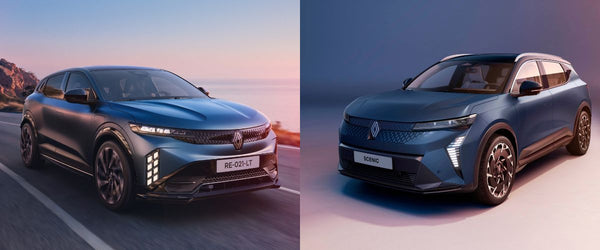
Renault ups driving range on Megane and Scenic E-Tech, both eligible for £3,750 government grant
Renault has revamped its Megane E-Tech electric and Scenic E-Tech models with...
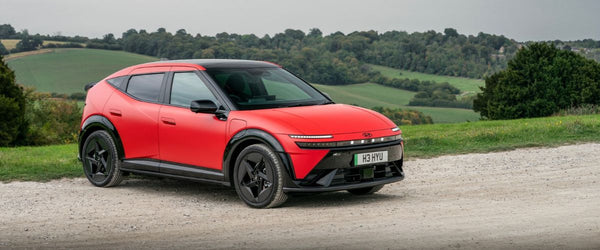
Hyundai Ioniq 3 eligible for £3,750 Electric Car Grant, now starts from £18,495
The Hyundai Ioniq 3 is now eligible for the UK Government's Band 1 Electric C...
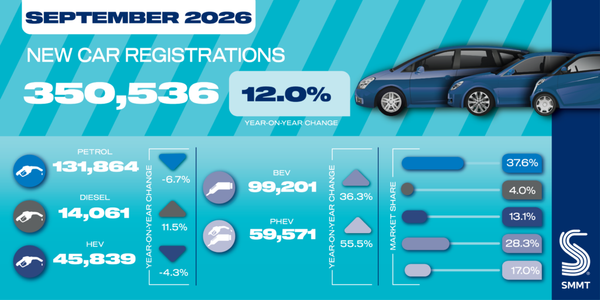
Electrified cars take 58.4% market share in September, legacy brands overtaken by Jaecoo, Tesla
Figures from the Society of Motor Manufacturers and Traders (SMMT) shows Sept...
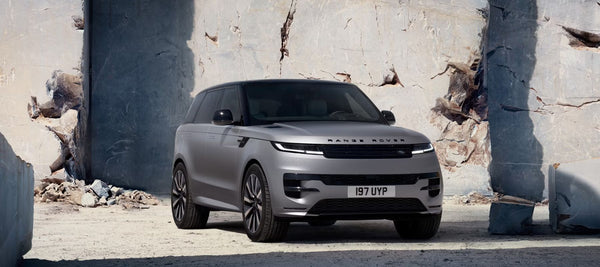
Range Rover Sport Electric unveiled, starting from £109k
The next model in the fully electric Range Rover lineup has been announced, s...
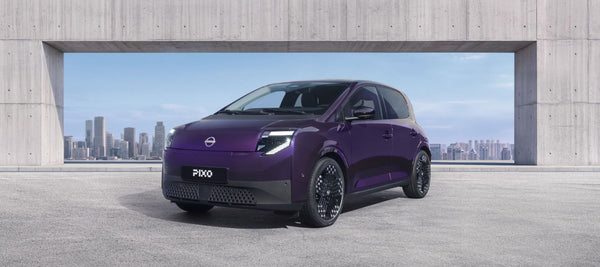
Nissan Pixo unveiled as affordable electric city car
Nissan has unveiled the new Pixo, a compact electric city car that's twinned ...