


Volvo EX30 SUV becomes an electric van, by adding rear window panels and an internal fit-out. All the looks, only some of the cost!
The case for a company van
For business users, a van remains one of the most tax-efficient ways to stay on the road. Unlike company cars, the Benefit-in-Kind charge is fixed by HM Revenue and Customs at around £3960 per year (2025/26). That equates to roughly £792 for a 20% taxpayer or £1584 at 40% – a fraction of the liability many company cars attract.
The business case is equally compelling. Vans typically qualify for 100% capital allowances, meaning the full purchase cost can often be written off against profits in year one. Add in deductible running costs – servicing, insurance and repairs – and the ability for VAT-registered firms to reclaim 100% of the VAT on purchase and maintenance, and the numbers quickly stack up.
Even the optional fuel benefit is modest, with a flat charge of around £757 for ICE vans, resulting in tax of just £151 (20%) or £303 (40%) – though it only makes sense for high private mileage.
There are caveats. Regular personal use triggers that fixed BIK charge, and eligibility rules apply. But, in pure financial terms, the van remains a rare thing: a company vehicle that delivers predictable, low personal tax and strong business-side savings.

The Enyaq Cargo is available to order now, with prices starting at £44,310 on the road. The commercial conversion is priced from £1815 plus VAT
And Electric vans are even better
If the standard company van already makes a strong financial argument, a full electric version takes it a step further. Under rules set by HM Revenue and Customs, a zero-emission van used only for business and commuting attracts a 0% Benefit-in-Kind charge – meaning no personal tax to pay at all.
Even where private use is involved, the underlying structure remains attractive. The standard van benefit charge still applies (around £4,020 for 2025/26), but crucially there’s no fuel benefit charge for electricity, as HMRC does not treat it as a taxable fuel.

Cool SUV looks meet van practicality and financial benefits
On the business side, the numbers stack up even more convincingly. Electric vans qualify for 100% capital allowances, allowing the full purchase price to be written off against profits. Add to that recoverable VAT on purchase and running costs, plus government support in the form of plug-in grants worth up to £2500 for small vans and £5,000 for larger models, and the initial outlay becomes far easier to justify.
Running costs are typically lower, too, with reduced servicing requirements and cheaper energy compared to diesel. The only real downside is the recent introduction of £345 annual VED from April 2025, bringing electric vans into line with combustion models.
Taken as a whole, the electric van stands out as a rare win-win: zero or minimal personal tax, generous business write-offs and meaningful running cost savings – a combination that’s hard to ignore for any forward-thinking operator.
Similar Stories
Business lease deals of the week: popular hatchback or hybrid estate?
This week, via Carwow.co.uk, we've picked out three business lease deals to s...

Better Fleet: Design a fleet trial that proves value before rollout
Fleet pilots often produce positive results. That does not necessarily mean t...

Better Fleet: How analysing supplier claims leads to better procurement
Fleet suppliers increasingly sell measurable outcomes rather than simply prod...

Business Lease Shortlist: four EVs for functionality, family and fun
This week’s business lease shortlist focuses on four fully electric vehicles ...
Success Stories: Felixstowe shows autonomous electric fleets working at scale
The Port of Felixstowe is expanding its autonomous electric truck fleet to 10...

ZEV mandate review closes – what fleet managers should watch next
The Government’s review of the Zero Emission Vehicle Mandate closes on 23 Oct...

UK’s biggest eHGV charging hub signals next phase of electric trucking
Electroway has opened what it describes as the UK’s largest dedicated electri...
Public Charging Price Watch: network choice can add £18 to a single charge
The difference between public rapid-charging tariffs remains wide enough to m...

New home-charging rights could widen company-car EV appeal
Government proposals could make it easier for tenants and leaseholders in Eng...
bp pulse workplace-charging withdrawal shows why charging infrastructure needs an exit strategy
Almost 1000 former bp pulse workplace-charging customers are being migrated t...
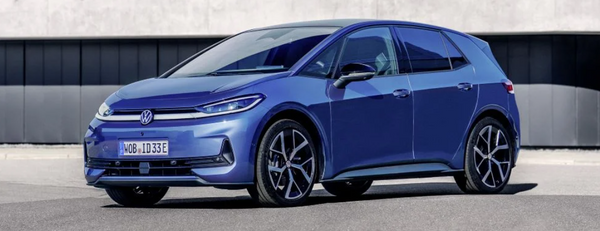
All the cars available with the UK Government's Electric Car Grant
Throughout 2026, the list of electric vehicles (EVs) eligible for the UK Gove...

Geotab's Oliver Holt (Senior Sales Manager, EMEA) reveals how to max the benefits of Telematics
Geotab's Oliver Holt (Senior Sales Manager, EMEA), reveals how telematics can...
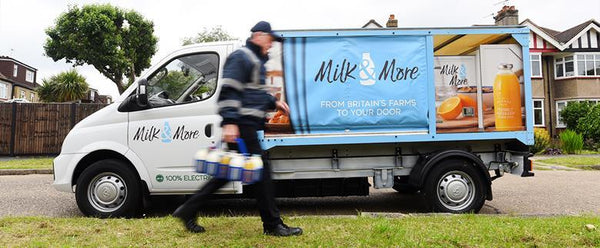
Success Stories: How Geotab telematics helped save Milk & More a cool £2m
The resulting fuel and energy savings provided a fast return on investment on...

5 reasons Telematics are essential for fleets
From live vehicle tracking to predictive maintenance and driver behaviour ana...
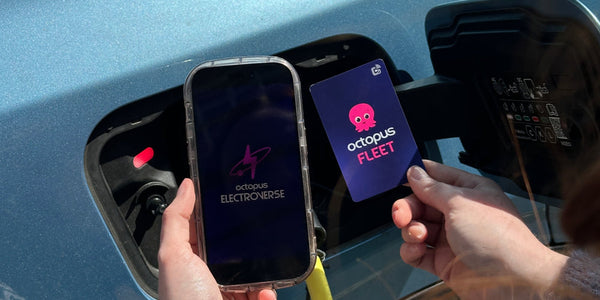
Simplifying fleet electrification starts with smarter integration and less admin
Fleet electrification has transformed the role of the fleet manager, bringing...
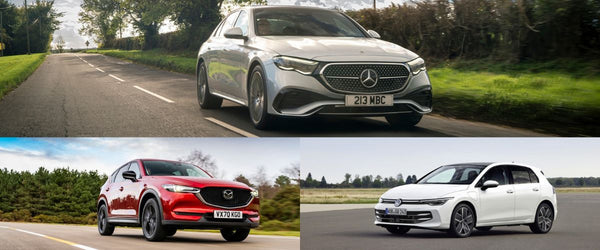
Business lease deals of the week: business express or practical family SUV?
This week’s business lease selection brings together three very different opt...

Business Lease Shortlist: four fresh electrified options for fleet drivers
This week’s Business Lease Shortlist brings together four vehicles covering a...

Success Story: Calisen uses rooftop solar to tackle electric-vehicle downtime
Calisen is fitting solar battery-maintenance technology across its electric f...

Fleets should prepare now for the next £170m depot charging funding window
Fleet operators planning electric vans, trucks or coaches should start prepar...
Record EV sales make charging-cost visibility more important than ever
September delivered a record month for electric cars, but the numbers also un...
EV charging: When do the savings start?
Charging subscriptions are becoming more and more prevalent as fleets increas...
Business lease deals of the week: sub £200p/m winners
This week’s Business Lease Deals of the Week brings together three compelling...