


In the same week the Department for Transport said the UK now has more public EV chargers than petrol pumps, the industry is still debating how to make the network easier and fairer for drivers to use.
Here are the key developments shaping EV charging this week.
VAT ruling could cut the cost of public charging
A UK tax tribunal has ruled that public EV charging should qualify for the 5% domestic VAT rate, rather than the 20% currently paid by many drivers.
The case was brought by community charging operator Charge My Street, which argued most charging sessions fall well below the 1,000kWh monthly threshold in existing VAT rules.
If the decision stands, it could help narrow the cost gap between home charging and public charging, a long-standing concern for fleets and drivers without driveways.
Calls grow for clearer EV charging signage
Industry groups including InstaVolt and Electric Vehicles UK are urging government to signpost EV chargers as clearly as petrol stations.
Despite the rapid growth in the network, many chargers remain poorly marked from major roads, which campaigners say limits usage of existing infrastructure.
NHS charging investment expanded
The UK government has announced £4m of additional funding to expand EV charging across the NHS estate.
The funding supports the electrification of around 20,000 NHS vehicles, with officials saying the switch could reduce fuel and maintenance costs while cutting emissions from the 460 million miles the NHS travels each year.
UK charging network passes major milestone
According to the Department for Transport, the UK now has 116,000 public EV chargepoints, compared with an estimated 60,000 petrol pumps.
Industry group EVA England described the milestone as evidence that the country’s charging infrastructure is rapidly catching up with demand.
Major HGV charging hub opens at Port of Tilbury
Charging provider Fleete has opened a 5MW charging hub at the Port of Tilbury, designed specifically for electric HGVs.
The site includes 16 ultra-rapid chargers and forms part of a wider network aimed at helping logistics operators electrify heavy-duty fleets without building their own depot infrastructure.
Similar Stories
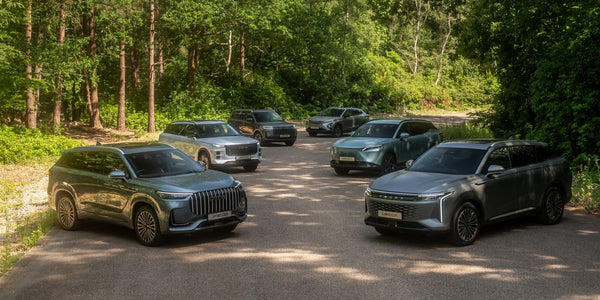
Chery, Jaecoo and Omoda boost warranties to give fleets more confidence
The Chery Automobile group, which also controls Jaecoo and Omoda, has extende...
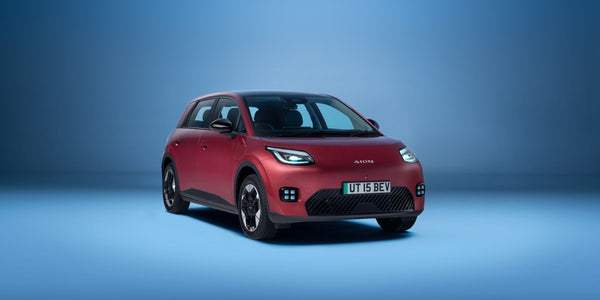
Aion UT supermini to be priced from £28,950
The Aion UT is the new Chinese supermini ready to take on established Europea...
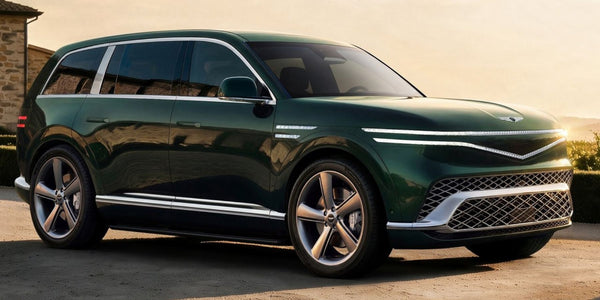
Meet the Genesis GV90 - full-size electric SUV fights Range Rover
Fleets considering full-size luxury SUVs have a new challenger alongside the ...
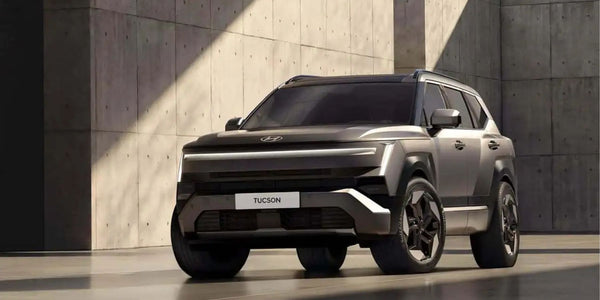
2027 Hyundai Tucson unveiled | Bolder styling, high tech cabin
Fleets shopping in the mid-size family SUV segment have consistently shortlis...
Ultra-rapid charging is moving closer to where fleet vehicles work
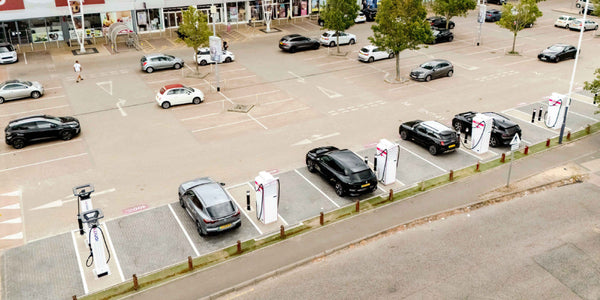
Ultra-rapid charging is increasingly moving beyond motorway corridors and int...

Safety technology only works best if drivers trust it
New Teletrac Navman research found 74% of well-prepared drivers rated their c...

Electric vans' potential met when fleets solve the operational gap
Arval’s 2026 Fleet and Mobility Observatory Barometer found UK LCV operators ...

New planning rules could make fleet infrastructure easier to deliver
The revised National Planning Policy Framework introduces a specific freight ...

New emissions rules could make maintenance history even more important
The Department for Transport is consulting on rules that would require in-use...
VIDEO: Battery swapping could offer a new route to electric HGV uptime
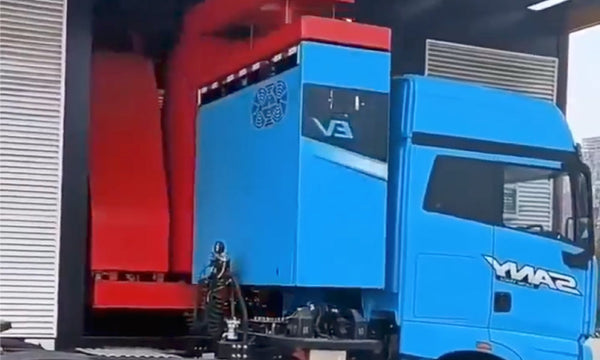
EMobility has highlighted CATL’s QIJI system, which can replace a heavy-truck...
Van overloading rise puts fleet compliance under pressure
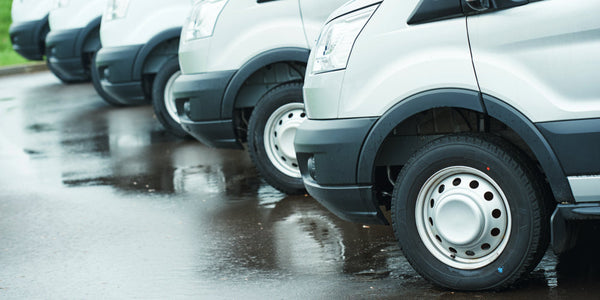
Van fleets should review loading controls after new DVSA data showed overload...
Omoda&Jaecoo UK sells 100,000 cars in less than two years
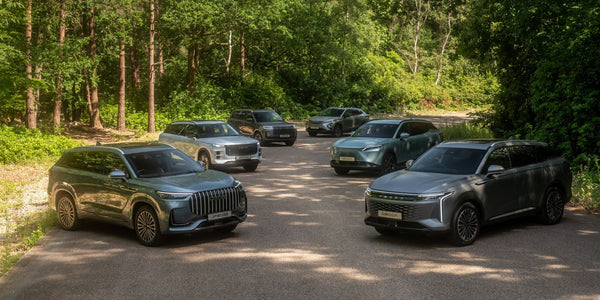
Omoda&Jaecoo UK has surpassed 100,000 vehicle registrations in less than ...
ZEV mandate consultation: 'timely opportunity to optimise the pace of change' says SMMT
Following the recent announcement of the UK Government launching a consultati...
UK garages call for MOT cost cap to increase to £95
Fleets running vehicles over three years old could be facing a cost increase ...
Mercedes-Benz C-Class facelift unveiled | New grille, new tech
The combustion-engine Mercedes-Benz C-Class has been updated as part of its m...
Business lease deals of the week: retro revival or large family estate?
See this week's top business lease deals for company car drivers. From a char...
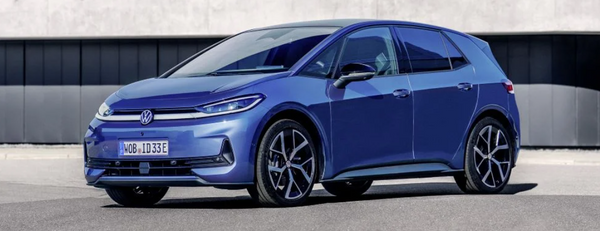
Volkswagen ID.3 Neo goes on sale - all models eligible for £1,500 grant
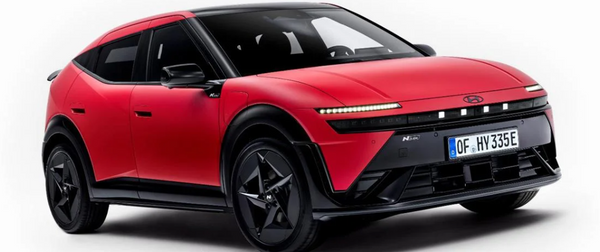
Hyundai Ioniq 3 goes on sale in UK, priced from £22,245
Fleet buyers considering small electric vehicles have a new contender to cons...
Better Fleet: A practical playbook for choosing fleet software
Fleet software should solve problems, not create more systems to manage. Befo...

Better Fleet: What an effective fleet software setup actually looks like
A good fleet technology setup does not necessarily mean putting everything in...

Better Fleet: What fleet software actually is and how you can get more value from it
Fleet software should make running vehicles easier. Yet the term now covers s...

Mileage blockers threaten EV pay per-mile tax - but new legislation in the works, says RAC
With just two-years until the UK Government launches its pay per-mile road ta...
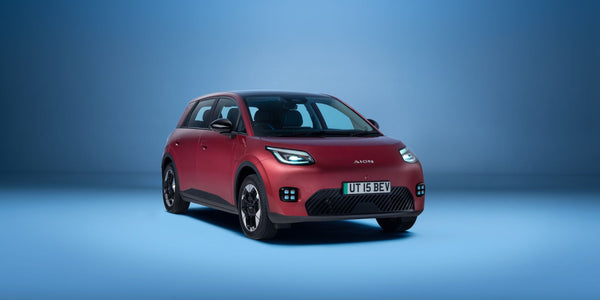
Aion UT supermini coming to UK, designed to take on Europe
Chinese car manufacturer, Aion has unveiled its new UT electric supermini, wh...

Longer EV replacement cycles make warranty cover more important
As more early electric vehicles move beyond their original manufacturer prote...
Electric van choice is improving rapidly – fleets should reassess the market
Electric models dominate much of the shortlist for the 2027 International Van...