


Artificial intelligence is increasingly being adopted across fleet operations to reduce pressure, improve visibility and support better day-to-day decision-making.
Use the checklist below to assess where AI could add the most immediate value within your operation.
Data overload vs decision clarity
Do you collect large volumes of fleet data but struggle to turn it into clear actions?
Are reports time-consuming to build or reliant on specialist analysts?
Would faster, plain-language answers help you prioritise what matters today?
Risk, safety and duty of care
Do you need earlier visibility of risky driving behaviour or emerging safety issues?
Are incidents, claims or disputes consuming disproportionate time and cost?
Would stronger evidence trails and proactive alerts reduce exposure?
Vehicle availability and maintenance pressure
Are breakdowns or unplanned repairs disrupting operations?
Is maintenance largely reactive rather than predictive?
Would earlier fault detection improve planning and vehicle utilisation?
Administrative workload
Are fleet teams spending significant time on reporting, compliance checks or data collation?
Are routine questions slowing down higher-value work?
Could automated summaries or AI-assisted insights free up capacity?
Driver experience and support
Do drivers need quicker answers to routine queries?
Are issues raised outside office hours creating next-day backlogs?
Would on-demand access to information improve satisfaction and reduce inbound pressure?
Readiness for change
Are you open to piloting AI in one area rather than rolling out at scale?
Do you have reliable core data, even if systems aren’t fully integrated?
Is your priority supporting people, not replacing them?
Checklist compiled with input from Tranzaura, alongside wider FleetWise analysis. Read Tranzaura's essential AI FAQs here:

Similar Stories

Smarter maintenance, cutting fleet downtime, and keeping vehicles productive
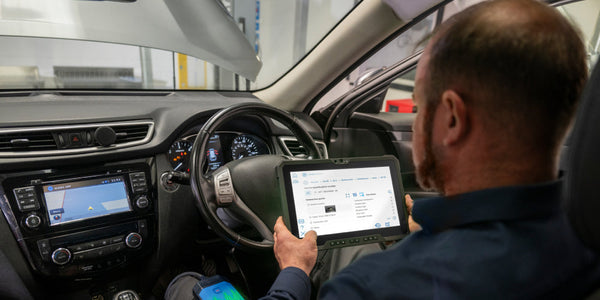
How AI and connected diagnostics can help fleets predict faults and speed up repairs
If reducing downtime is the objective, the challenge for fleets is increasing...

AI fleet systems are starting to recommend the next action
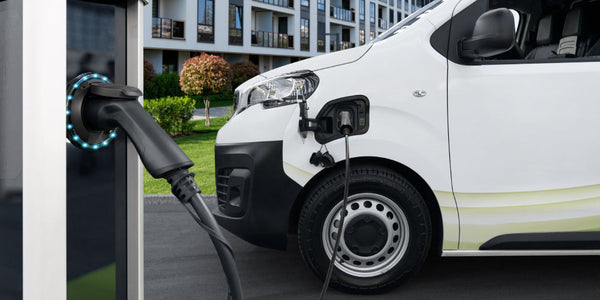
Seven in 10 UK tradespeople considering switch to electric vans, study finds
More than seven in 10 UK tradespeople are considering switching to an electri...

Better Fleet: Seven ways to scale your fleet without scaling the workload

Better Fleet: How AI and automation can make growing fleets easier to manage
