


Before choosing hardware or signing contracts, fleets need clarity on how their vehicles actually operate, what their sites can support, and what to ask suppliers. These early insights shape every decision that follows.

1. Map how your vehicles really operate
The most accurate charging strategies start with usage, not equipment.
Identify:
Where vehicles park overnight (home, depot, mixed)
Typical daily mileage and dwell-time windows
Which routes routinely fall outside home-charging capability
This reveals whether your baseline should be home charging, depot charging, or a blended model.
2. Understand your depot’s electrical reality
Many fleets discover power limitations too late. Early visibility avoids costly surprises.
Assess:
Existing electrical capacity
How many vehicles can realistically charge at once
DNO lead times for capacity increases
This forms the backbone of an achievable charging plan.

3. Key questions to ask charging suppliers
Once you know your operational and electrical constraints, approach suppliers with clear expectations:
Compatibility: Will the system support our fleet mix now and as we expand?
Integration: Does the platform connect with our telematics or fleet software?
Home/on-street solutions: How do you support drivers without driveway access?
Support & uptime: What are your repair SLAs and driver-help options?
Scalability: Can the system grow as we electrify more vehicles?
4. What does ‘good’ look like?
A robust charging strategy should enable your fleet to:
Charge predictably with minimal operational disruption
Blend home, depot and public charging seamlessly
Use energy efficiently and avoid unnecessary rapid-charging costs
Provide clear, fair reimbursement with minimal admin
Integrate naturally with existing fleet data systems
Scale confidently as your EV population grows
Support all drivers, regardless of home-charging access
When these conditions are met, charging stops being a blocker and becomes a manageable, predictable part of everyday operations.
Read guidance in this series
Better Fleet: The charging challenges every fleet must understand – FleetWise
Better Fleet: Practical solutions to today’s EV charging challenges – FleetWise
Or
Consult the EV charging section of FleetWise's Trusted Products and Services Guide.
Join Better Fleet for best-practice planning that's proven through real-world case studies:
Click here: Better Fleet Campaign

Similar Stories

Better Fleet: Design a fleet trial that proves value before rollout
Fleet pilots often produce positive results. That does not necessarily mean t...
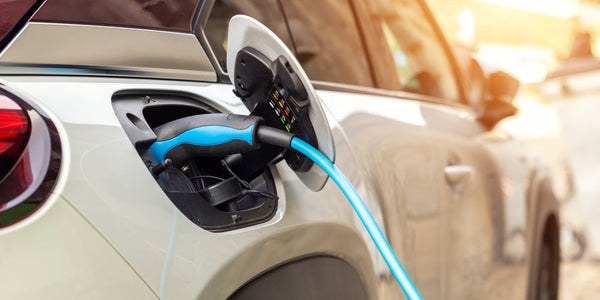
Better Fleet: Make the business case survive the contract
One of the weaknesses in traditional fleet procurement: A supplier may delive...

Better Fleet: How analysing supplier claims leads to better procurement
Fleet suppliers increasingly sell measurable outcomes rather than simply prod...
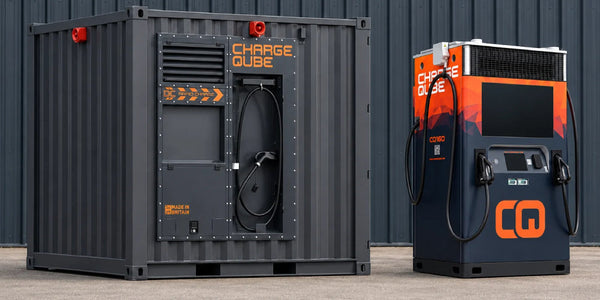
Mobile battery charging could keep EV plans moving through grid delays
Fleet electrification projects do not always stall because the vehicles are u...
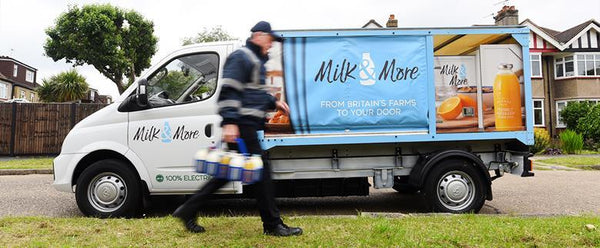
Success Stories: How Geotab telematics helped save Milk & More a cool £2m
The resulting fuel and energy savings provided a fast return on investment on...
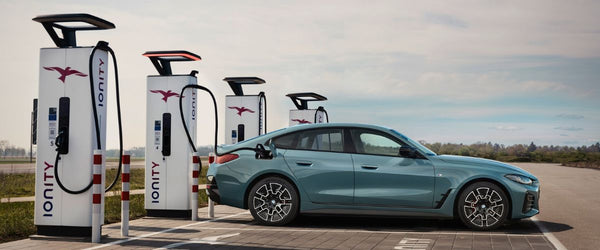
EV charging: When do the savings start?
Charging subscriptions are becoming more and more prevalent as fleets increas...

Octopus Fleet launches FleetBoost to cut public EV charging costs
Octopus Fleet has launched FleetBoost, a new scheme designed to reduce public...