


Following our introduction to the charging pressures fleets face, we outline the practical solutions available right now to remove friction, improve predictability and support a smoother EV roll-out.
Charging challenges may be complex, but the tools to solve them already exist, from smarter reimbursement and consolidated dashboards to home-charging workarounds and on-street charging innovations.
1. Build a blended charging model
Fleets rarely rely on a single charging method. The most resilient approach combines:
Home charging where possible
Depot charging for predictable overnight availability
Workplace and destination charging for top-ups
Public rapid-charging networks for exceptions, not routine use
A mixed model protects operations from dependency on any one location or driver behaviour pattern.
2. Simplify reimbursement and cost management
Charging confusion often comes from admin rather than hardware.
Tools from Allstar help fleets:
View all EV charging and fuel spend in one dashboard
Replace receipt-chasing with a single HMRC-compliant invoice
Monitor account activity and manage cards centrally
This reduces disputes, standardises cost reporting and keeps finance teams in control.
3. Centralise data and driver oversight
Visibility is essential to planning charging infrastructure and identifying where vehicles are being charged.
Solutions like FleetCheck help fleets:
Integrate data from telematics, fuel cards and more into one platform
Track downtime, daily mileage and charging patterns
Identify inefficiencies across drivers and vehicles
Maintain compliance through digital checks and alerts
When the full charging picture is visible, infrastructure decisions become far easier.

4. Expand Home-Charging Access
Not all drivers can install a charger at home, but alternatives exist:
Co Charger enables drivers without driveways or landlord permission to access nearby residential chargers through a managed, app-based booking system. This provides reliable overnight charging without the need for installation.
Kerbocharge offers a cable-management solution for drivers without driveways, enabling safer on-street overnight/weekend charging
These solutions widen access without requiring every driver to have private off-street parking.
5. Strengthen Depot and Workplace Charging
For fleets with predictable shift patterns, depot charging remains the backbone of EV operations.
Trusted Brand providers such as ChargePoint and EO Charging offer:
Scalable depot charging systems
Smart load management to make the most of limited electrical capacity
Ongoing software support to monitor usage and energy consumption
This ensures charging infrastructure evolves with fleet size and grid constraints.
Read the guidance in this series:
Better Fleet: The charging challenges every fleet must understand – FleetWise
Better Fleet: The first steps to building a confident charging strateg – FleetWise

Join Better Fleet for best-practice planning that's proven through real-world case studies:
Click here: Better Fleet Campaign
Similar Stories
Better Fleet: Design a fleet trial that proves value before rollout
Fleet pilots often produce positive results. That does not necessarily mean t...
Better Fleet: Make the business case survive the contract
One of the weaknesses in traditional fleet procurement: A supplier may delive...

Better Fleet: How analysing supplier claims leads to better procurement
Fleet suppliers increasingly sell measurable outcomes rather than simply prod...
Mobile battery charging could keep EV plans moving through grid delays
Fleet electrification projects do not always stall because the vehicles are u...

ZEV mandate review closes – what fleet managers should watch next
The Government’s review of the Zero Emission Vehicle Mandate closes on 23 Oct...

UK’s biggest eHGV charging hub signals next phase of electric trucking
Electroway has opened what it describes as the UK’s largest dedicated electri...
bp pulse workplace-charging withdrawal shows why charging infrastructure needs an exit strategy
Almost 1000 former bp pulse workplace-charging customers are being migrated t...
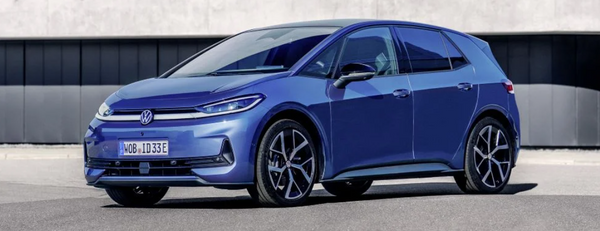
All the cars available with the UK Government's Electric Car Grant
Throughout 2026, the list of electric vehicles (EVs) eligible for the UK Gove...

Geotab's Oliver Holt (Senior Sales Manager, EMEA) reveals how to max the benefits of Telematics
Geotab's Oliver Holt (Senior Sales Manager, EMEA), reveals how telematics can...
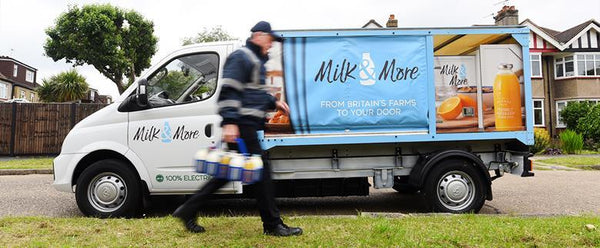
Success Stories: How Geotab telematics helped save Milk & More a cool £2m
The resulting fuel and energy savings provided a fast return on investment on...

5 reasons Telematics are essential for fleets
From live vehicle tracking to predictive maintenance and driver behaviour ana...
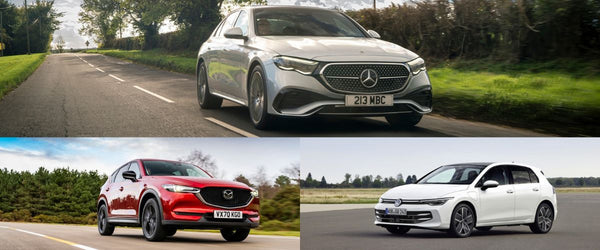
Business lease deals of the week: business express or practical family SUV?
This week’s business lease selection brings together three very different opt...
Record EV sales make charging-cost visibility more important than ever
September delivered a record month for electric cars, but the numbers also un...
EV charging: When do the savings start?
Charging subscriptions are becoming more and more prevalent as fleets increas...
Octopus Fleet launches FleetBoost to cut public EV charging costs
Octopus Fleet has launched FleetBoost, a new scheme designed to reduce public...