


Electric used-car values strengthened again in October, but Cap HPI is warning that aggressive new-car pricing is continuing to put pressure on younger vehicles.
Its November market overview shows battery-electric cars were comfortably the strongest-performing fuel type at three years/60,000 miles, with average values rising 0.6% during October. That compares with falls of 2.6% for diesel, 2.2% for petrol, 1.8% for hybrids and 1.9% for plug-in hybrids.
Nearly half of BEV models increased in value, while Cap HPI is also seeing more independent dealers returning to the electric market as used EVs become commercially attractive.
However, there is an important qualification for fleets.
Cap HPI says younger used EVs remain particularly affected by new-car offers, with both the Government Electric Car Grant and manufacturers' own discounts creating pressure on nearly-new values. It expects that effect to continue into November.
For fleet managers, that reinforces the need to look beyond the acquisition discount.
A heavily supported new EV may deliver an excellent lease or purchase price today, but the effect of that discount on future disposal value still needs to be included in whole-life-cost calculations.
Stronger used-EV demand is encouraging, but fleets should assess acquisition price and future residual value together rather than treating either in isolation.
Similar Stories

Construction fleets record five times as many severe speeding events than transport operators, research finds
New SambaSafety research reveals significant differences in driver risk acros...
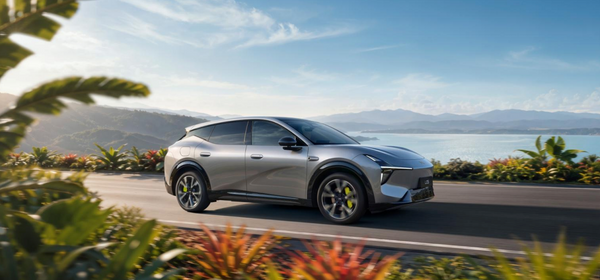
The Essential Guide to Buying a Chinese Car
Great looks, amazing specs and tech, and phenomenal value are four great reas...
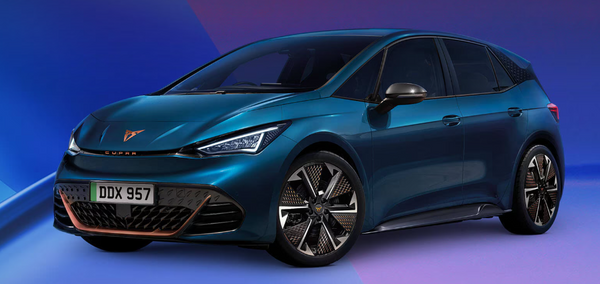
Used EV values surge as rising fuel costs boost demand
Used electric car values have rebounded sharply, with some three-year-old mod...
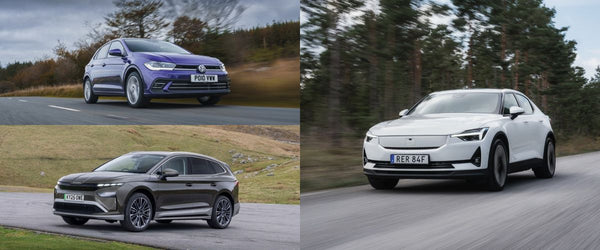
Business lease deals of the week: Scandinavian flair or well-equipped supermini?
This week's top business lease deals includes a practical family SUV for hatc...

6 reasons why fleet managers should look beyond telematics to protect vehicles, drivers and cargo
Fleet technology conversations can easily become dominated by telematics plat...

London’s 2028 EV proposal could accelerate high-mileage fleet electrification
Transport for London is proposing that almost all private hire vehicles newly...

HMRC tells fleets to prepare now for real-time company-car tax reporting
Fleet and payroll teams should start preparing for a major change in the way ...

ZEV mandate review closes – what fleet managers should watch next
The Government’s review of the Zero Emission Vehicle Mandate closes on 23 Oct...