


A major change to the way company cars and other benefits are taxed is now less than five months away – and it creates an important data challenge for fleet departments as well as payroll teams.
HMRC has confirmed that from 6 April 2027, employers must report company cars and fuel, company vans and fuel, and employer-provided medical benefits through payroll in real time.
Income Tax and Class 1A National Insurance contributions will be dealt with through payroll software rather than the existing year-end process.
For fleet managers, the important issue is the quality and speed of vehicle data moving between fleet, HR and payroll systems.
Changes of company car, employees joining or leaving schemes, fuel benefits and taxable vehicle values will all need to be reflected accurately enough for payroll to calculate the correct deductions.
HMRC is specifically telling employers to review their payroll, HR and benefits-administration processes ahead of implementation.
That makes this a useful opportunity for fleets to audit how quickly information currently moves between suppliers, fleet-management systems and payroll teams.
A vehicle change that can currently be corrected through an end-of-year process will become much more visible when tax is being calculated monthly.
For experienced fleet managers, the practical question is therefore not whether payroll understands company-car tax.
It is whether the fleet data feeding payroll is accurate, timely and sufficiently joined-up for real-time reporting.
For more information visit gov.uk
Similar Stories

60% of van fleets are spending more time managing vehicles and replacement decisions are suffering
Growing administrative pressure is beginning to affect when UK van fleets rep...

UK’s new electrification roadmap puts £7.5bn of EV support into one national strategy
The Government has published a new national clean-electrification roadmap bri...

Business lease deals of the week: polished hatchback or its new upmarket sibling?
This week, we've found three business lease deals that can tempt a wide range...

EV company cars now offer a median range of more than 300 miles
New UK vehicle data suggests the range barrier for electric company cars is b...

Are fleet EV payments becoming harder to control?
More than half of UK fleet leaders say EV adoption has made payment and spend...

£38m depot charging fund opens for fleet managers
Fleet operators can now apply for the second window of the Government’s Depot...
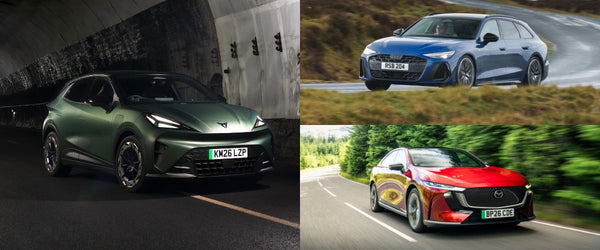
Business lease deals of the week: sporty supermini or premium estate?
This week, via carwow.co.uk, we've picked out three tempting lease deals for ...
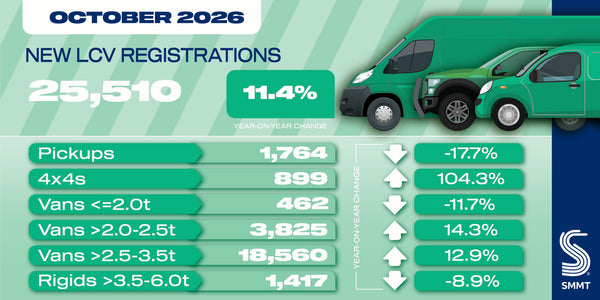
Electric van registrations hit record October as LCV market grows
Record electric van registrations in October have highlighted the progress be...
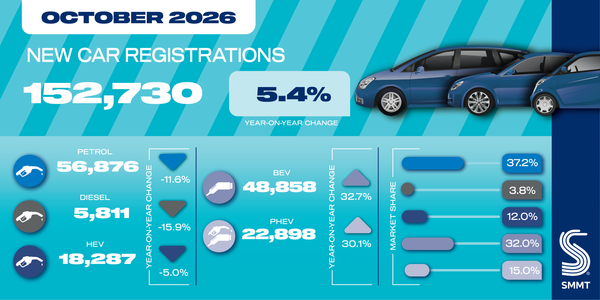
Fleet registrations drive EV growth as SMMT calls for mandate reform
Electric vehicle (EV) registrations continued to rise in October, with fleet ...

Charger use is surging but investment in new public capacity is slowing
EV charging demand continues to rise sharply, but new industry figures sugges...
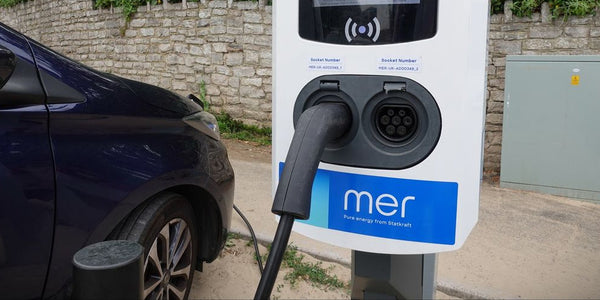
New VAT clarification gives fleets another reason to audit workplace charging costs
HMRC has clarified the tax treatment of electricity supplied through workplac...

Cheaper new EVs are good news for fleets but what are they doing to residual values?
Electric used-car values strengthened again in October, but Cap HPI is warnin...

Construction fleets record five times as many severe speeding events than transport operators, research finds
New SambaSafety research reveals significant differences in driver risk acros...

The Essential Guide to Buying a Chinese Car
Great looks, amazing specs and tech, and phenomenal value are four great reas...