


Public rapid charging is already one of the biggest variables in electric-vehicle running costs, and new analysis suggests the pressure could intensify during 2027.
The Reverse the Charge assessment, produced by The Fast Charge and charging operator Zest, says fixed grid charges for a modelled rapid charger have risen from £61.47 per week in 2021 to £440.13 in 2026 and are set to reach £541.73 in 2027.
At a relatively lightly used rapid charger dispensing around 100kWh each day, the report calculates that electricity and grid costs alone could reach £1.03/kWh next year.
There is an important distinction for fleets: £1.03 is not a forecast retail tariff. It is a modelled underlying cost at a low-utilisation charger, before VAT, maintenance, rent, payment processing, staffing or operator margin. Busier sites can spread fixed network costs across considerably more energy.
That qualification makes the finding more useful rather than less important.
If fixed costs favour heavily utilised locations, charging networks have a stronger incentive to concentrate investment where utilisation is already high. Less-used areas could become harder to operate economically, potentially affecting both pricing and coverage.
For fleet managers, the obvious response is not to assume every rapid charger will suddenly cost £1/kWh.
It is to model what happens if public-charging costs increase materially.
Fleets whose drivers predominantly charge at home or work will be relatively insulated. Those relying heavily on rapid public infrastructure could face a very different whole-life-cost calculation.
Charging location is therefore becoming as important to EV TCO as vehicle efficiency itself.
Similar Stories

Chinese brands now feature in almost half of salary-sacrifice quotes
Chinese vehicle manufacturers are rapidly gaining ground in one of the most i...
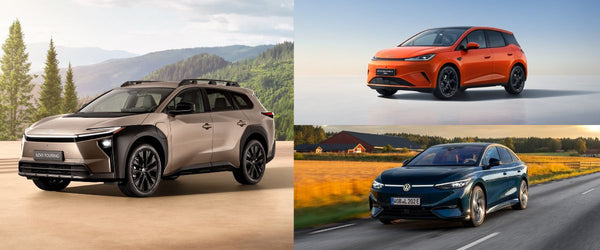
Business lease deals of the week: premium fastback or rugged lifted estate?
This week, via Carwow.co.uk, we've picked out three business lease deals that...

Public Charging Price Watch: 82p/kWh median hides a 37p network gap
The UK median rapid-charging price remains 82p/kWh, but the latest figures sh...

60% of van fleets are spending more time managing vehicles and replacement decisions are suffering
Growing administrative pressure is beginning to affect when UK van fleets rep...

UK’s new electrification roadmap puts £7.5bn of EV support into one national strategy
The Government has published a new national clean-electrification roadmap bri...

Company car tax reporting moves into payroll from April – are fleets ready?
A major change to the way company cars and other benefits are taxed is now le...
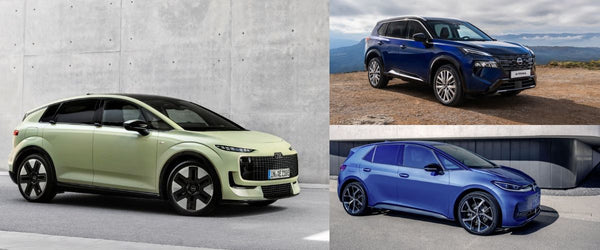
Business lease deals of the week: polished hatchback or its new upmarket sibling?
This week, we've found three business lease deals that can tempt a wide range...
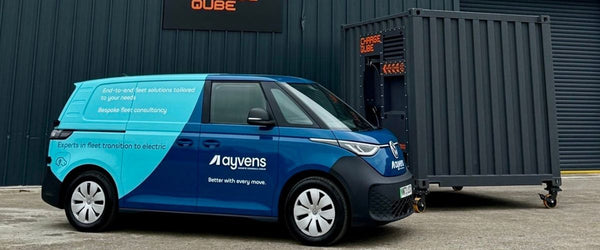
Ayvens and Fellten partnership brings shipping container EV chargers to fleet hubs
Fleets relying heavily on public charging infrastucture could have a new solu...
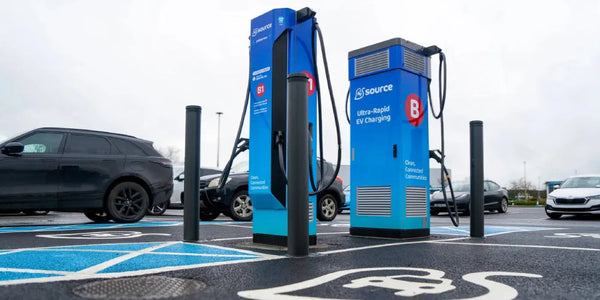
Lidl charging hub shows why van-friendly public charging needs more than a fast charger
Source has opened its first EV charging hub at a Lidl GB store, with one feat...

Are fleet EV payments becoming harder to control?
More than half of UK fleet leaders say EV adoption has made payment and spend...

Public Charging Price Watch: rapid charging rises to 82p/kWh
The latest Kargit price data puts the median UK non-subscription rapid-chargi...

£38m depot charging fund opens for fleet managers
Fleet operators can now apply for the second window of the Government’s Depot...