


Better Fleet explores why charging is perceived as an operational barrier for fleets transitioning to electric.
It's no longer just a question of "where do we plug in?", charging decisions are affected by duty cycles, costs, driver behaviour, infrastructure planning and long-term operational predictability.
In this opening Better Fleet article, we break down why charging is seen as such a stubborn pain point, and set the stage for the practical guidance that follows.
The core problems behind the charging challenge

1. Infrastructure uncertainty
Many fleets still lack a clear picture of their depot’s electrical capacity, upgrade timelines or local network constraints. Without this visibility, planning future EV deployments becomes guesswork.
2. Home-charging limitations
A significant portion of company car and van drivers cannot install home chargers due to rented properties, living in a flat, shared parking, or lack of off-street access. For these drivers, the most reliable overnight charging option simply isn’t available.
3. Reimbursement and cost complexity
Energy tariffs vary widely, smart-meter access is inconsistent, and fair mileage reimbursement policies can be difficult to standardise. This creates financial uncertainty for both employers and drivers.
4. Operational risk and vehicle downtime
Inconsistent charging behaviours – late charging, over-reliance on rapid chargers, or failure to plug in at home – can disrupt daily schedules and require expensive last-minute fixes.
5. Behaviour and confidence gaps
Drivers often need clearer guidance on when and where to charge, how to use charging apps, or how to avoid range anxiety. Without the right support, inefficiencies quickly creep in.
Read guidance in this series
Better Fleet: Practical solutions to today’s EV charging challenges – FleetWise
Better Fleet: The first steps to building a confident charging strateg – FleetWise

or Join Better Fleet for best-practice planning that's proven through real-world case studies:
Click here: Better Fleet Campaign
Similar Stories
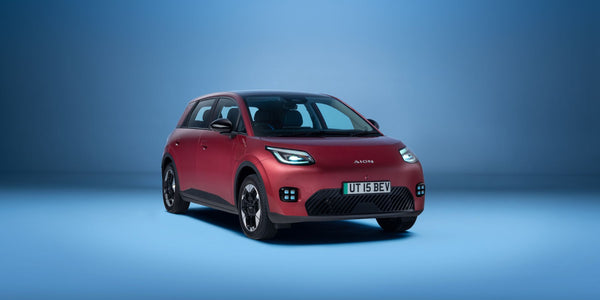
Aion UT supermini to be priced from £28,950
The Aion UT is the new Chinese supermini ready to take on established Europea...

Better Fleet: A practical playbook for choosing fleet software
Fleet software should solve problems, not create more systems to manage. Befo...

Better Fleet: What fleet software actually is and how you can get more value from it
Fleet software should make running vehicles easier. Yet the term now covers s...

The Government launches ZEV mandate review

Pothole damage should be measured as a fleet cost
Britain’s deteriorating roads are generating another preventable cost that fl...