


European fleet electrification is increasingly demonstrating that vehicle availability alone does not determine whether businesses switch to EVs.
New analysis from Alphabet shows corporate battery-electric penetration ranging from 59% in Belgium to around 5% in Italy.
Yet fleet ambition itself does not appear to be the limiting factor. Alphabet says 61% of European fleet decision-makers either expect their fleets to become fully electric or have already reached that point.
Instead, taxation, infrastructure, whole-life cost and residual values appear to determine the pace.
Belgium has accelerated company-car electrification as tax deductibility for combustion vehicles has been withdrawn. Other countries have seen stronger growth in plug-in hybrids as businesses pursue a different transition route.
The operating-cost case is improving too. Alphabet says annual EV fuel-cost savings across the EU have increased 35% year on year, although depreciation continues to offset some of the gains in markets where electric residual values remain weaker.
For international fleet managers, the message is important.
A single pan-European replacement policy can produce very different financial outcomes in neighbouring countries.
The same vehicle, driven for the same mileage, can have a compelling TCO case in one market and a much weaker one elsewhere because taxation, energy prices and residual-value assumptions differ.
The strongest international electrification strategies therefore need a common objective but market-specific implementation.
Similar Stories
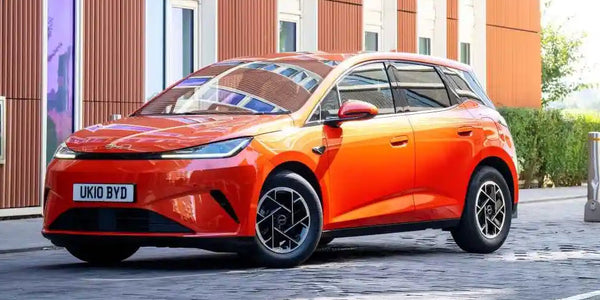
Chinese brands now feature in almost half of salary-sacrifice quotes
Chinese vehicle manufacturers are rapidly gaining ground in one of the most i...
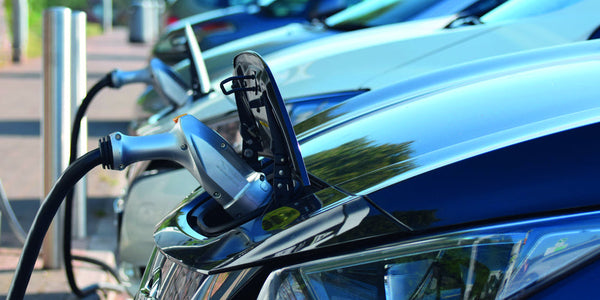
Could public rapid charging really reach £1/kWh next year?
Public rapid charging is already one of the biggest variables in electric-veh...
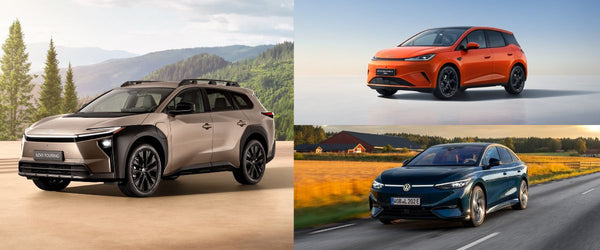
Business lease deals of the week: premium fastback or rugged lifted estate?
This week, via Carwow.co.uk, we've picked out three business lease deals that...

60% of van fleets are spending more time managing vehicles and replacement decisions are suffering
Growing administrative pressure is beginning to affect when UK van fleets rep...

UK’s new electrification roadmap puts £7.5bn of EV support into one national strategy
The Government has published a new national clean-electrification roadmap bri...

Company car tax reporting moves into payroll from April – are fleets ready?
A major change to the way company cars and other benefits are taxed is now le...
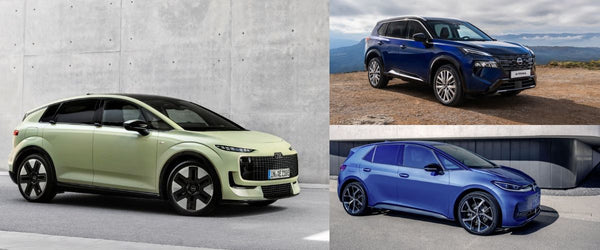
Business lease deals of the week: polished hatchback or its new upmarket sibling?
This week, we've found three business lease deals that can tempt a wide range...

EV company cars now offer a median range of more than 300 miles
New UK vehicle data suggests the range barrier for electric company cars is b...