


Electric vehicles are proving less likely to fail MOTs for worn brakes, but fleets are now being warned about a different issue emerging instead: brakes that are barely being used at all.
New analysis from CarHunch, based on more than 10 million UK MOT records, suggests regenerative braking is dramatically reducing traditional brake wear in EVs. But as more early electric fleet cars reach their first MOT cycle, a different pattern is starting to appear.
Rather than worn pads or discs, some EVs are developing corrosion and seized brake components because the friction brakes are not being exercised regularly enough.
According to the data, nearly 7% of EV brake failures at first MOT relate to corrosion or seizure-type issues.
For everyday drivers, it’s one of those side effects of one-pedal driving that probably feels counterintuitive. The smoother and more efficiently an EV is driven, the less often the physical brakes may actually get used.
That matters because seized calipers and binding brakes can create uneven braking performance, longer repair times, and unexpected downtime for fleets.
One simple recommendation emerging from the data is what CarHunch describes as a “Friday firm stop” approach: occasionally using the friction brakes more deliberately, where safe to do so, simply to keep components moving and prevent corrosion building up over time.
Similar Stories
Better Fleet: Design a fleet trial that proves value before rollout
Fleet pilots often produce positive results. That does not necessarily mean t...

Better Fleet: Decide what has to be true instead of relying on supplier promises
Fleet suppliers increasingly sell measurable outcomes rather than simply prod...

Business Lease Shortlist: four EVs for functionality, family and fun
This week’s business lease shortlist focuses on four fully electric vehicles ...
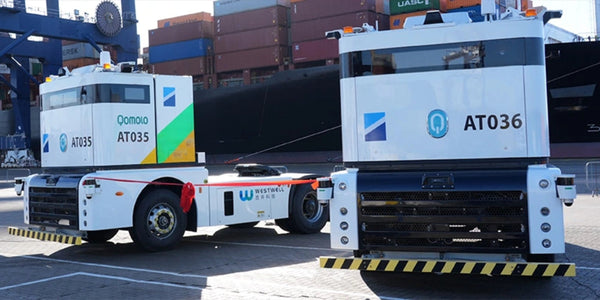
Success Stories: Felixstowe shows autonomous electric fleets working at scale
The Port of Felixstowe is expanding its autonomous electric truck fleet to 10...
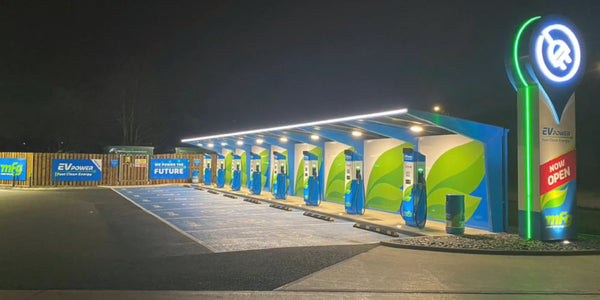
Public Charging Price Watch: network choice can add £18 to a single charge
The difference between public rapid-charging tariffs remains wide enough to m...
New home-charging rights could widen company-car EV appeal
Government proposals could make it easier for tenants and leaseholders in Eng...
Simplifying fleet electrification starts with smarter integration and less admin
Fleet electrification has transformed the role of the fleet manager, bringing...
Business Lease Shortlist: four fresh electrified options for fleet drivers
This week’s Business Lease Shortlist brings together four vehicles covering a...

Fleets should prepare now for the next £170m depot charging funding window
Fleet operators planning electric vans, trucks or coaches should start prepar...
Business lease deals of the week: sub £200p/m winners
This week’s Business Lease Deals of the Week brings together three compelling...

Better Fleet: EV policy needs to be fair without pretending every driver has the same circumstances
Uniformity is attractive in fleet policy. One rule is easier to communicate, ...