


Managing a fleet powered by both internal combustion and electric vehicles doesn't need to create additional complexity. Drawing on its experience supporting fleets through the energy transition, Allstar has identified five practical ways organisations can simplify mixed-energy fleet operations.
The first is to give drivers a single payment solution. Providing one platform for fuel, public charging and other fleet-related transactions removes unnecessary complexity and creates a more consistent driver experience.
Secondly, eliminate manual reimbursement wherever possible. Automating home charging payments reduces administration for both drivers and finance teams while ensuring employees are reimbursed accurately and promptly.
Allstar also encourages fleets to make better use of payment data. Every transaction provides valuable operational insight, helping organisations understand energy usage, monitor costs and identify opportunities to improve efficiency.
A fourth recommendation is to build processes that support both ICE and electric vehicles. During the transition to electrification, most fleets will operate mixed-energy vehicles for several years. Integrated systems make that transition significantly easier to manage.
Finally, choose partners that can evolve alongside your fleet. As payment technologies, charging infrastructure and vehicle technology continue to develop, suppliers should help simplify future change rather than add further complexity.
The message aligns closely with the wider findings of the 2026 100 Trusted Brands in Fleet report. As fleet operations become increasingly interconnected, the most successful organisations are choosing trusted partners that help turn operational complexity into practical simplicity.
Similar Stories

Better Fleet: Design a fleet trial that proves value before rollout
Fleet pilots often produce positive results. That does not necessarily mean t...
Better Fleet: Make the business case survive the contract
One of the weaknesses in traditional fleet procurement: A supplier may delive...

Better Fleet: Decide what has to be true instead of relying on supplier promises
Fleet suppliers increasingly sell measurable outcomes rather than simply prod...

Business Lease Shortlist: four EVs for functionality, family and fun
This week’s business lease shortlist focuses on four fully electric vehicles ...
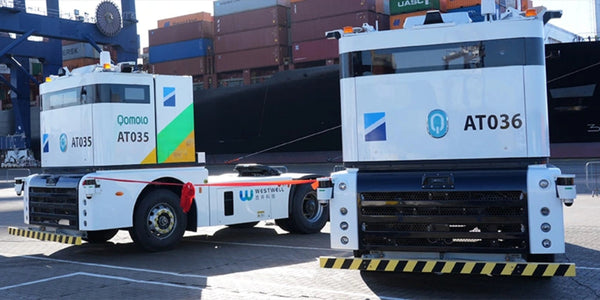
Success Stories: Felixstowe shows autonomous electric fleets working at scale
The Port of Felixstowe is expanding its autonomous electric truck fleet to 10...
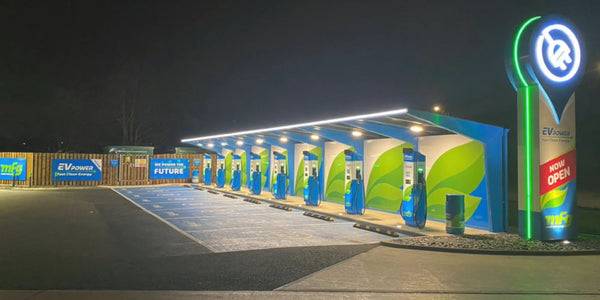
Public Charging Price Watch: network choice can add £18 to a single charge
The difference between public rapid-charging tariffs remains wide enough to m...

New home-charging rights could widen company-car EV appeal
Government proposals could make it easier for tenants and leaseholders in Eng...
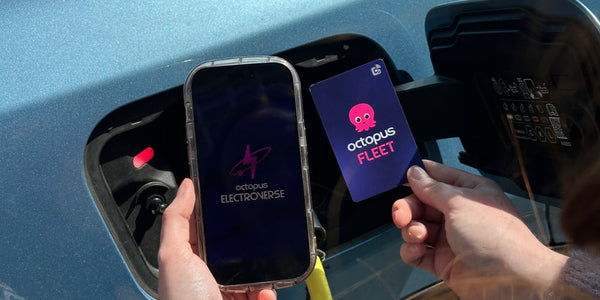
Simplifying fleet electrification starts with smarter integration and less admin
Fleet electrification has transformed the role of the fleet manager, bringing...

Business Lease Shortlist: four fresh electrified options for fleet drivers
This week’s Business Lease Shortlist brings together four vehicles covering a...

Fleets should prepare now for the next £170m depot charging funding window
Fleet operators planning electric vans, trucks or coaches should start prepar...
Business lease deals of the week: sub £200p/m winners
This week’s Business Lease Deals of the Week brings together three compelling...

Better Fleet: Futureproof EV policy by managing rules like an operating system
An EV policy written today will change as charging technology develops, vehic...

Better Fleet: EV policy needs to be fair without pretending every driver has the same circumstances
Uniformity is attractive in fleet policy. One rule is easier to communicate, ...