


Small and medium-sized fleets are increasingly managing diesel, hybrid and electric vehicles together, but many still rely on fragmented payment and expense processes.
FuelQ says conversations with businesses at the British Motor Show repeatedly highlighted the same problems: receipts to chase, spending across different systems and limited access to products traditionally aimed at larger fleets.
Commenting on LinkedIn, Joel Lewis, chief commercial officer at FuelQ said:
“Small fleets feel invisible. The owner-operators and SME businesses we met assumed fuel cards were built for someone bigger, because historically they were. The incumbents are structured around hundred-vehicle contracts, and everyone below that threshold has been left paying retail.
“Fleet managers told us the same story again and again: receipts to chase, expenses to flag, spend to reconcile across drivers and vehicles. None of them asked for another card. They asked for a unified mobility payments solution with a single line of credit, where the admin takes care of itself.”
For those smaller operators, that administrative burden can be particularly significant because there may be no dedicated fleet team to manage it.
Fleet managers and business owners should increasingly expect payment providers to support fuel and EV charging through one account, provide clear driver controls and consolidate transactions into usable reporting.
The goal should be in ensuring fewer manual processes and a clearer view of vehicle energy spend.
SME fleets reviewing payment providers should ask whether one credit facility can cover mixed-energy vehicles, whether receipts can be automated and whether transactions can be assigned accurately to drivers and vehicles.
As fleets become more complex, simple administration is becoming a fleet benefit in its own right.
Similar Stories

Fleet software consolidation continues as Freeway joins Movement Software
Movement Software has acquired UK fleet-maintenance specialist Freeway Fleet ...

Software-defined safety will change how fleets buy vehicles
Volvo Cars is expanding its partnership with NVIDIA to develop future automat...
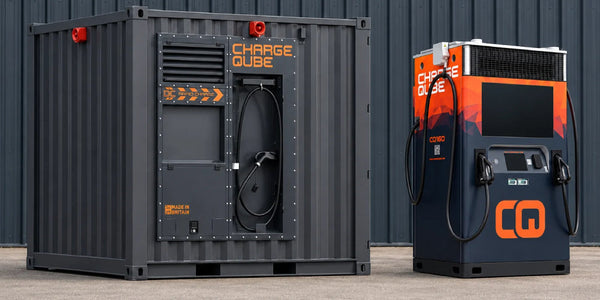
Mobile battery charging could keep EV plans moving through grid delays
Fleet electrification projects do not always stall because the vehicles are u...

New home-charging rights could widen company-car EV appeal
Government proposals could make it easier for tenants and leaseholders in Eng...
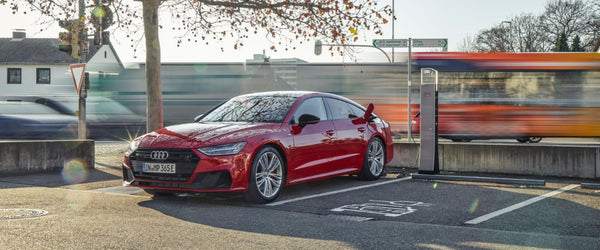
Government unveils tougher rules on private parking charges
Drivers will receive greater protection against unfair private parking charge...

Government targets clocking with tougher action against used car dealers
The UK Government is proposing tougher action against used-car dealers that m...
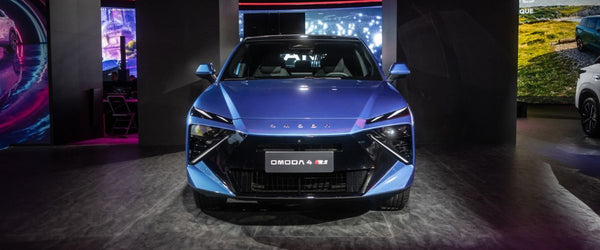
OMODA 4 compact SUV confirmed for UK launch in 2027
Omoda has confirmed its new compact SUV, the Omoda 4, will be available to UK...

iCAUR confirms V27 SUV for UK launch in 2027
Chinese automotive brand iCAUR will make its UK debut in early 2027, with the...

Updated Mazda CX-30 brings new trim and subtle tweaks
Mazda has unveiled its updated 2027 CX-30, with a wider model range, revised ...
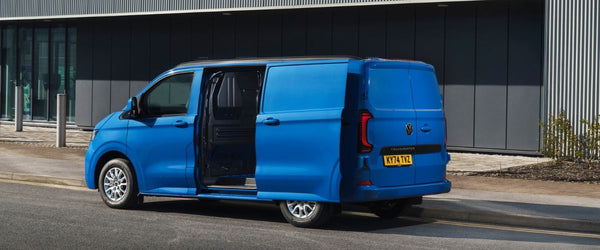
Van tool theft costs UK businesses £1.7bn as fleets face costly downtime
Tool theft is causing significant disruption for UK van fleets, with one in f...
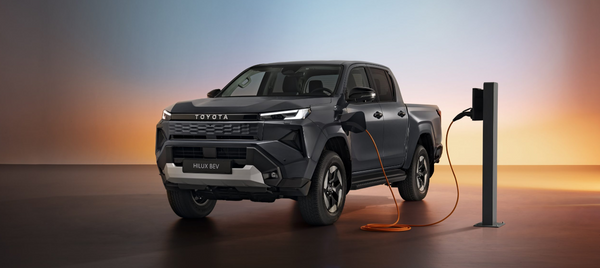
Toyota calls for greater flexibility in UK and EU emissions regulations
Toyota has called for more flexible vehicle emissions regulations in the UK a...

New Government data gives fleets another reason to reassess EV-ready routes
The Department for Transport has updated its monthly public EV charging infra...
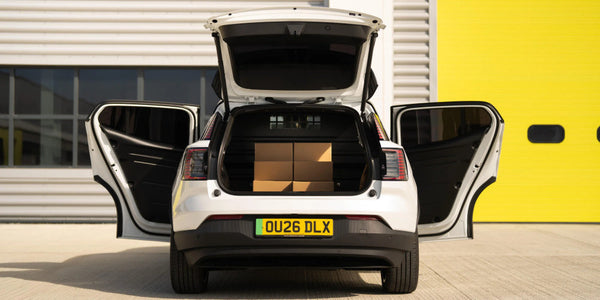
£2500 grant strengthens the case for compact electric vans
Volvo's new EX30 Cargo has secured eligibility for the Government's Zero Emis...

Lloyds brings Lex Autolease, Tusker and Black Horse together under Lloyds Auto
Lloyds Banking Group is bringing Black Horse, Lex Autolease and Tusker togeth...
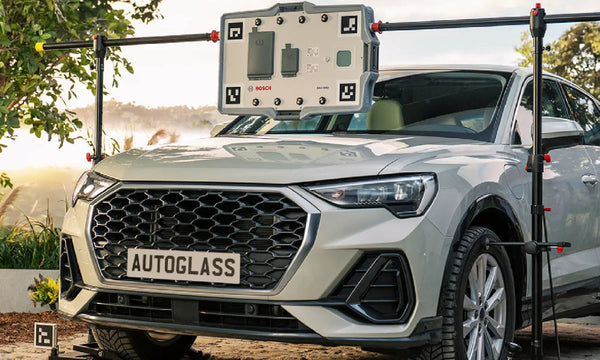
Autoglass takes ADAS recalibration mobile to reduce fleet downtime
Autoglass has launched Mobile Recalibration Pro, a new service designed to co...

Google Maps and Waze add live UK fuel prices to help fleets cut forecourt costs
Google has launched live petrol and diesel pricing across Google Maps and Waz...
Public Charging Price Watch: keep an eye on rapid-charging costs
Public charging remains essential for many electric fleets, but new cost comp...

Leapmotor B03 revealed: 242-mile range, arrives 2027
Leapmotor has unveiled the B03, an all-electric B-segment hatchback combining...

Octopus Fleet launches FleetBoost to cut public EV charging costs
Octopus Fleet has launched FleetBoost, a new scheme designed to reduce public...
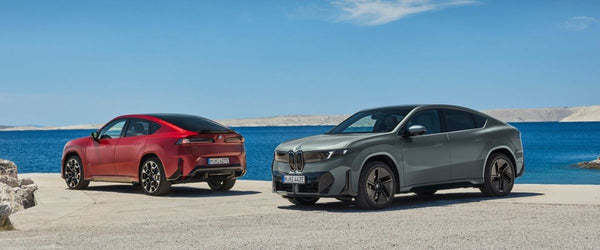
BMW iX4 unveiled with up to 514-miles of range
BMW has unveiled its new fully-electric iX4, with the Neue Klasse SUV coupe s...

Volkswagen ID. Tiguan unveiled, replaces ID.4 and ID.5
Volkswagen has unveiled the new ID. Tiguan, an all-electric mid-size SUV set ...
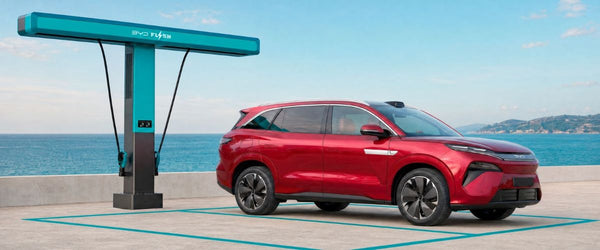
BYD Atto 8 unveiled with Flash charging capabilities, 10-97% in 9 mins
BYD has unveiled its new flagship all-electric SUV, the Atto 8, at the Paris ...

Smart #2 revealed, offering fleets an ultra-compact city runaround
Smart has unveiled its all-electric #2 two-seater at the Paris Motor Show, re...

Citroen 2CV Concept revealed, previewing €15,000 car for urban fleets
Fleets shopping for an affordable, urban city car have a good selection, whic...

Autonomous delivery starts competing for the shortest commercial journeys
Deliveroo and Coco Robotics are introducing autonomous delivery robots into U...

Electric rigid trucks are becoming a practical regional fleet option
The growing IVECO S-eWay range shows how battery-electric trucks are expandin...

AA puts vehicle downtime at the centre of fleet resilience
The AA has used Fleet & Mobility Live 2026 to launch a new report focused...