


Connected fleet technology delivers the greatest value when it changes behaviour, not simply records it.
Drawing on the experience of supporting fleets across more than one billion driven miles, Lightfoot has demonstrated how behavioural technology can improve safety, reduce costs and accelerate sustainability without requiring organisations to replace vehicles or invest in major new infrastructure.
The company's approach is built around five practical principles for getting more from telematics.
First, provide real-time coaching rather than retrospective reporting. Immediate feedback helps drivers adjust their behaviour while it can still make a difference.
Second, focus on positive driver engagement. Drivers who feel supported rather than monitored are more likely to adopt lasting behavioural changes.
Third, reward good driving. Gamification and recognition encourage continuous improvement and help create a stronger safety culture across the fleet.
Fourth, use telematics to tackle multiple business challenges simultaneously. Better driving reduces fuel consumption, lowers emissions, cuts accident rates and minimises vehicle wear and tear, delivering operational and financial benefits from a single technology platform.
Finally, use connected fleet data to create a culture of continuous improvement. Behavioural insight should inform driver development, operational planning and long-term fleet strategy, rather than simply supporting compliance reporting.
The results speak for themselves. Fleets using Lightfoot have achieved up to 40% fewer at-fault accidents, 84% reductions in dangerous driving and fuel-efficiency improvements of more than 15%. In 2025 alone, Lightfoot customers saved 32 million kilograms of CO₂ and 1.7 million kWh of energy, demonstrating how connected technology can deliver measurable environmental and operational improvements together.
Compare the UK's leading telematics providers in the 2026 100 Trusted Brands in Fleet report.
Similar Stories

Better Fleet: Design a fleet trial that proves value before rollout
Fleet pilots often produce positive results. That does not necessarily mean t...

Better Fleet: Decide what has to be true instead of relying on supplier promises
Fleet suppliers increasingly sell measurable outcomes rather than simply prod...

Business Lease Shortlist: four EVs for functionality, family and fun
This week’s business lease shortlist focuses on four fully electric vehicles ...
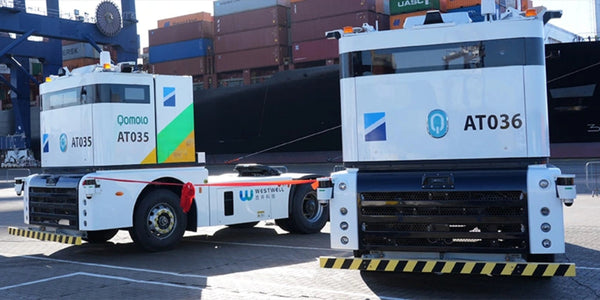
Success Stories: Felixstowe shows autonomous electric fleets working at scale
The Port of Felixstowe is expanding its autonomous electric truck fleet to 10...
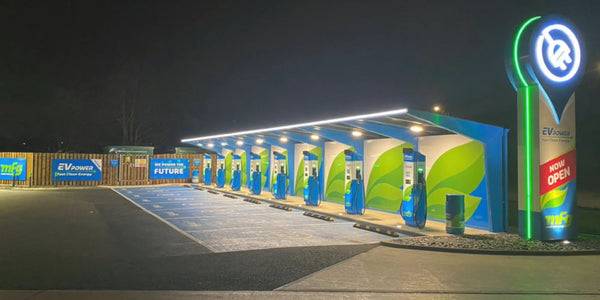
Public Charging Price Watch: network choice can add £18 to a single charge
The difference between public rapid-charging tariffs remains wide enough to m...

New home-charging rights could widen company-car EV appeal
Government proposals could make it easier for tenants and leaseholders in Eng...
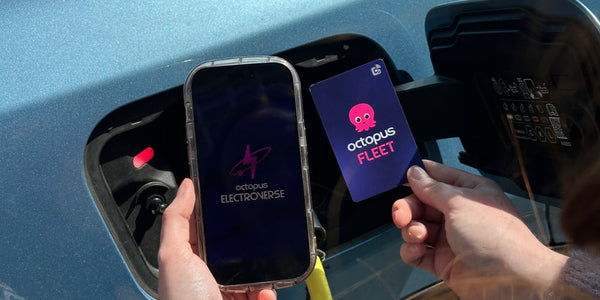
Simplifying fleet electrification starts with smarter integration and less admin
Fleet electrification has transformed the role of the fleet manager, bringing...

Business Lease Shortlist: four fresh electrified options for fleet drivers
This week’s Business Lease Shortlist brings together four vehicles covering a...

Success Story: Calisen uses rooftop solar to tackle electric-vehicle downtime
Calisen is fitting solar battery-maintenance technology across its electric f...

Fleets should prepare now for the next £170m depot charging funding window
Fleet operators planning electric vans, trucks or coaches should start prepar...

Business lease deals of the week: sub £200p/m winners
This week’s Business Lease Deals of the Week brings together three compelling...

Better Fleet: EV policy needs to be fair without pretending every driver has the same circumstances
Uniformity is attractive in fleet policy. One rule is easier to communicate, ...