


Fleets that improve utilisation tend to follow the same principle:
treat every vehicle like it has to earn its place, but don’t expect it to be busy all the time.
The key is understanding why a vehicle isn’t being used.
Dominic Hutchinson explains:
“Underutilisation shouldn’t be mistaken for inefficiency, but treated as preparation time.”
Well-run fleets recognise that some downtime is part of the plan, especially when it’s used properly. Here’s what that looks like in practice:
1. Separate planned downtime from wasted capacity
Quieter periods can be used for:
- servicing and MOTs
- preventative maintenance
- compliance checks
- vehicle changes or upgrades
This keeps vehicles ready for peak demand, rather than taking them off the road at the worst time.
2. Look beyond mileage
It's only part of the picture. You also need to understand:
- how often vehicles are used
- how long they sit idle
- how much time they spend off the road
- what work they’re actually doing
Looking at one metric in isolation can make underperformance easy to miss.

3. Fix driver habits first
This is usually the quickest win.
Small behaviours, like idling too long or driving inefficiently, add up over time. They increase cost and reduce how much work each vehicle can get through.
Improving behaviour frees up capacity without adding vehicles.
4. Match vehicles to the right jobs
Underutilisation is often a planning issue. Vehicles get locked into:
- specific drivers
- specific depots
- outdated routes
Better job allocation helps:
- reduce idle time
- cut unnecessary mileage
- use fewer vehicles more effectively
5. Standardise vehicles where possible
One of the biggest barriers to improving utilisation is complexity. Hutchinson explains:
“Many vans carry specialist tools and equipment, and transferring everything can take a full working day.”
That makes it harder to move vehicles between sites, even when you know there’s spare capacity. A practical fix is to reduce variation.
“Instead of maintaining many different vehicle variants, fleets can define fewer core specifications.”
In simple terms: fewer variations = more flexibility.

6. Use downtime to your advantage
Fleets that perform well don’t try to stay busy all year. They use quieter periods to:
- complete lifecycle work
- prepare for peak demand
- redeploy vehicles
- fix underlying inefficiencies
That keeps the fleet ready when demand spikes.
7. Use data to act, not just report
Most fleets already collect utilisation data. The challenge is knowing what to look for. Focus on the patterns that actually drive decisions:
- vehicles consistently below usage benchmarks
- sites where demand and capacity don’t match
- repeated idle time in certain locations or job types
- vehicles that are active, but not productive
These signals point to action like redeployment, route changes, pooling, or reducing fleet size.
Modern platforms help surface these patterns quickly, without relying on manual reporting.
In the final article, we break down how to put that into practice:
A practical playbook for fixing underutilised vehicles
Or join Better Fleet for best-practice planning that's proven through real-world case studies: Better Fleet Campaign

Similar Stories

Better Fleet: Design a fleet trial that proves value before rollout
Fleet pilots often produce positive results. That does not necessarily mean t...

Better Fleet: Make the business case survive the contract
One of the weaknesses in traditional fleet procurement: A supplier may delive...

Better Fleet: Decide what has to be true instead of relying on supplier promises
Fleet suppliers increasingly sell measurable outcomes rather than simply prod...
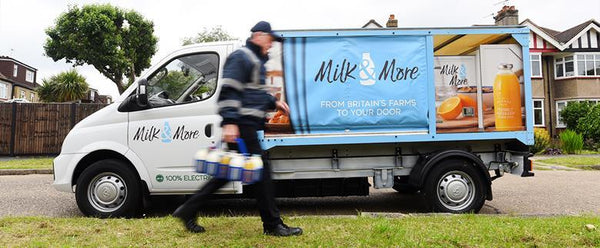
Success Stories: How Geotab telematics helped save Milk & More a cool £2m
The resulting fuel and energy savings provided a fast return on investment on...

Better Fleet: Futureproof EV policy by managing rules like an operating system
An EV policy written today will change as charging technology develops, vehic...

Better Fleet: EV adoption is creating policy debt, and exceptions are where it shows first
Most fleet policies were not designed around vehicles that refuel at an emplo...