


The UK's vehicle leasing sector has undergone one of the most significant transformations of any part of the fleet industry over the past five years.
When the first 100 Trusted Brands in Fleet report launched in 2022, leasing providers were already adapting to unprecedented disruption. Global supply chain shortages had extended vehicle replacement cycles, manufacturers were struggling to meet demand, and fleets were being forced to keep ageing vehicles on the road for longer than planned.
Since then, the challenges have only become more complex.
Electrification has fundamentally changed the conversations fleet managers have with leasing providers. Decisions that were once driven primarily by monthly rentals and whole-life costs now require consideration of charging infrastructure, driver suitability, home charging reimbursement, battery technology, vehicle availability and residual value risk.
The role of the leasing provider has expanded accordingly.
Rather than simply funding vehicles, today's leading leasing companies are helping organisations navigate operational change. Fleet managers increasingly expect guidance on vehicle selection, decarbonisation strategies, charging infrastructure, funding options, salary sacrifice schemes and the long-term implications of different replacement strategies.
This shift reflects a broader change in the way businesses think about fleet.
Historically, reducing fleet costs often meant negotiating better vehicle discounts or extending replacement cycles. While these remain important considerations, they are no longer enough on their own. Extending replacement cycles can increase maintenance costs and downtime. Selecting the cheapest funding option may reduce flexibility. Choosing the wrong vehicle for an operational duty cycle can affect productivity, driver satisfaction and total operating costs.
As a result, leasing providers are becoming strategic advisers rather than transactional suppliers.
The most successful organisations are combining funding expertise with operational insight, helping customers understand not only which vehicles to lease, but how those vehicles should be managed throughout their working lives.
Technology has accelerated this transition. Better fleet data, predictive maintenance tools and connected vehicle platforms now provide fleet managers with unprecedented visibility of vehicle performance and utilisation. Rather than simply reviewing historical costs, organisations can make decisions based on real-time operational insight.
The industry's growing emphasis on consultancy is reflected throughout this year's 100 Trusted Brands in Fleet research. Fleet managers consistently recognise suppliers that demonstrate a detailed understanding of operational requirements and provide practical support throughout the fleet lifecycle, rather than simply delivering vehicles.
The sector itself continues to grow. According to the BVRLA, the UK's leasing fleet surpassed 2.1 million vehicles in early 2026, highlighting the continued importance of leasing as businesses seek greater flexibility while managing cost, compliance and the transition to lower-emission vehicles.
As the pace of technological and regulatory change continues, the relationship between fleets and leasing providers is likely to become even more collaborative. Success will increasingly depend on operational understanding, long-term planning and the ability to help businesses adapt with confidence.
Read the full Five Years of Change feature in the 2026 100 Trusted Brands in Fleet report.
Similar Stories

Better Fleet: Design a fleet trial that proves value before rollout
Fleet pilots often produce positive results. That does not necessarily mean t...

Better Fleet: Make the business case survive the contract
One of the weaknesses in traditional fleet procurement: A supplier may delive...

Better Fleet: Decide what has to be true instead of relying on supplier promises
Fleet suppliers increasingly sell measurable outcomes rather than simply prod...

Business Lease Shortlist: four EVs for functionality, family and fun
This week’s business lease shortlist focuses on four fully electric vehicles ...
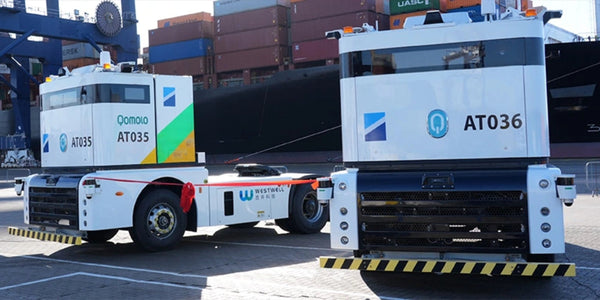
Success Stories: Felixstowe shows autonomous electric fleets working at scale
The Port of Felixstowe is expanding its autonomous electric truck fleet to 10...
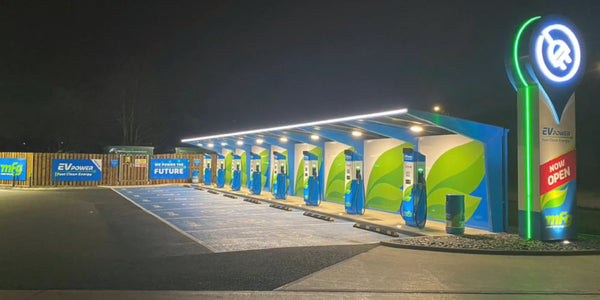
Public Charging Price Watch: network choice can add £18 to a single charge
The difference between public rapid-charging tariffs remains wide enough to m...

New home-charging rights could widen company-car EV appeal
Government proposals could make it easier for tenants and leaseholders in Eng...
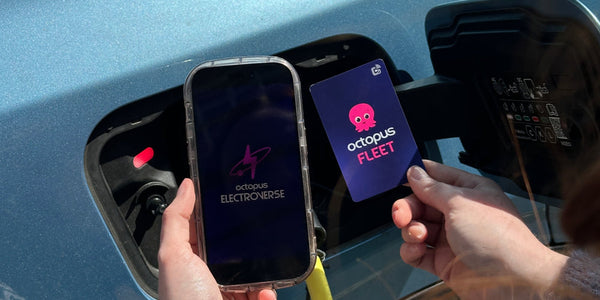
Simplifying fleet electrification starts with smarter integration and less admin
Fleet electrification has transformed the role of the fleet manager, bringing...

Business Lease Shortlist: four fresh electrified options for fleet drivers
This week’s Business Lease Shortlist brings together four vehicles covering a...

Fleets should prepare now for the next £170m depot charging funding window
Fleet operators planning electric vans, trucks or coaches should start prepar...

Business lease deals of the week: sub £200p/m winners
This week’s Business Lease Deals of the Week brings together three compelling...

Better Fleet: Futureproof EV policy by managing rules like an operating system
An EV policy written today will change as charging technology develops, vehic...

Better Fleet: EV policy needs to be fair without pretending every driver has the same circumstances
Uniformity is attractive in fleet policy. One rule is easier to communicate, ...