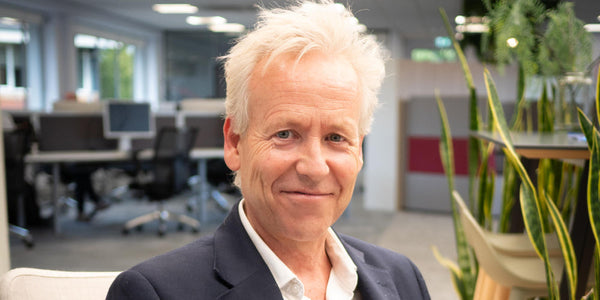


Fleet1000 speaks to fleet transformation leader Leonie Channell on electrification strategy, fuel price shocks and the realities of leading large fleet change
"Fuel shocks are accelerating decisions organisations might otherwise take years to make; they're becoming a major catalyst for electrification."

Leonie speaks to Fleet1000 not from a corporate office or between supplier meetings, but from the banks of the Periyar River in Kerala, India – thousands of miles from the fleet depots and boardrooms where she has spent the past two decades helping organisations rethink how they run their vehicles.
Her career has mirrored the industry’s wider transition. Leonie entered fleet during the early days of corporate hybrid adoption at Sky and went on to lead major transformation programmes across corporate fleets, most recently overseeing Schneider Electric’s 1,400-vehicle operation and helping drive its transition to around 86% electrified.
In this more reflective conversation, she shares the policy decisions that make large-scale electrification possible – from simplifying vehicle choice lists to making EVs the default – and explains why fuel price volatility is now accelerating the business case for fleets to make the switch.
Tell us a bit about where you are now and how you see yourself staying connected to the fleet world.
"I’m speaking to you from Kerala in India, where I’m spending time on a retreat. It’s very much in the middle of nature and focused on daily Ayurveda treatments, yoga and meditation sessions, so it’s quite a contrast to the usual pace of fleet management. After years of early alarms and a relentless pace, I felt it was important to step away from the weekly 5am starts and focus on rebuilding my health somewhere that allowed me to properly reset.
"Over the past couple of years I’ve been dealing with grief, alongside managing a health condition. Behind the scenes I’ve been dealing with frozen shoulder in both shoulders, which meant balancing my health, two operations within 16 months, and a full-time role. My 6 week journey across Kerala is about coming back mentally and physically stronger, while also giving myself time to reflect on the next chapter.
"That said, it’s impossible to fully disconnect from fleet. It’s an industry I care deeply about. Last month I attended the Women in EV Day, hosted by Gill Nowell, which was a fantastic opportunity to connect with women thriving in our industry. Next month, I’ll also be supporting the Association of Fleet Professionals at The Commercial Vehicle Show, continuing to stay involved in the conversations shaping the future of mobility.
"Fleet is a small but incredibly collaborative community, and I expect to remain closely connected to it as I look at what comes next."

What was it about fleet and new vehicle technology that first hooked you and kept you in the industry for nearly two decades?
"What hooked me early on was the combination of technology, sustainability and people. When hybrids first started entering corporate fleets, it genuinely felt like we were at the start of something transformational. Fleet sits right at the intersection of innovation, policy and real-world operations.
"At Sky being involved in those early hybrid programmes meant we were exploring new technologies while also figuring out how they worked in practice for drivers, businesses and infrastructure. That mix of strategy and operational problem solving is something I’ve always enjoyed.
"I’ve also always been a bit of a gadgets person. I grew up in a house that was always full of the latest tech – so curiosity about technology has always been part of who I am. Even now my home is full of smart tech, from voice assistants to connected lighting and gadgets. That natural interest in technology made fleet, particularly as vehicles became more connected and electrified, a really exciting place to build a career.
"Fleet also evolves constantly, there's always something new to learn. That constant evolution is probably why so many people stay in fleet once they’ve discovered it."
Are their key policy decisions or structural changes that you think other fleets still hesitate to adopt?
"At Schneider Electric one of the most important structural decisions was making electrification the default option wherever operationally possible. Rather than asking 'can we justify an EV?', we shifted the mindset to 'why wouldn’t this role include an electric car?'.
"We also simplified the vehicle choice list so that EV options supported drivers historic orders with premium brands and long range models only. That helped remove complexity and accelerated adoption across the fleet."

What have you found actually works when it comes to getting drivers genuinely comfortable with electrification?
"Driver mindset is absolutely one of the biggest factors. Most concerns come from unfamiliarity rather than genuine operational limitations.
"The most effective approach I’ve seen is hands-on experience. Test drive days, EV roadshows, and giving drivers the opportunity to speak to colleagues who already have EVs makes a huge difference. Once someone drives an EV and understands the charging process, many of the perceived barriers disappear.
"Clear communication is also essential. Drivers need practical guidance around home charging, public charging, range planning and costs. If that information isn’t provided upfront, uncertainty can quickly turn into resistance.
"It also helps to recognise that drivers are individuals. Some adopt new technology immediately, while others need more reassurance. Supporting both groups is part of good fleet management.
"Having the right support structure is key as well. Whether that’s an experienced in-house fleet team or working closely with knowledgeable leasing partners, strong EV expertise within the support network can make a huge difference in building driver confidence and ensuring the transition runs smoothly."
What questions should fleet managers be asking leasing partners, OEMs or finance providers to make sure their EV transition is financially sustainable?
"The first step is shifting the conversation away from list price and towards total cost of ownership. EVs can look expensive upfront, but when you analyse the full lifecycle costs, the picture is often very different.
"Fleet managers should be asking leasing partners how residual values are being modelled and what market data those forecasts are based on. EV residuals are evolving quickly, so understanding that methodology helps fleets manage financial risk.
"It’s also important to explore contract flexibility, particularly as EV technology develops and market conditions continue to fluctuate. Fleets need to understand what options exist if operational needs change during the lease cycle.
"Fuel volatility and global geopolitical events are increasingly influencing fleet decisions. Electricity prices tend to be more stable, energy can often be contracted long term, and EV running costs are typically significantly lower per mile than traditional fuels.
"Because of this, fuel shocks are accelerating decisions that organisations might otherwise have taken several years to implement; they're becoming a real catalyst for electrification. In many cases, I believe fuel volatility will become more influential than vehicle purchase price when organisations assess the long-term financial case for electrification."

At Schneider you introduced a streamlined vehicle choice list and used reallocation to avoid early lease terminations – what did that teach you about controlling costs while keeping drivers engaged?
"It reinforced the importance of simplicity and flexibility.
"A streamlined choice list helps control costs, manage supply, and ensure vehicles align with company sustainability goals. But it’s also important that drivers still feel they have meaningful options.
"Reallocation was another key learning. Instead of terminating leases early – which can be extremely costly – we looked at how vehicles could be reassigned across the organisation when roles changed. That approach helped us avoid unnecessary penalties and significantly reduced overall fleet costs.
"Ultimately, a well-structured fleet policy should provide clear guardrails, but also enough flexibility to adapt to changing business needs."
Is there a particular mistake you notice organisations make while electrifying their fleets that you think is avoidable or often goes unnoticed?
"One common mistake is treating electrification purely as a vehicle replacement exercise. Successful EV transitions usually involve looking at the wider ecosystem – driver behaviour, charging infrastructure, journey patterns, and internal communication. If those elements aren’t considered together, organisations can run into avoidable issues.
"Another challenge is underestimating the importance of change management. Electrification is a cultural shift as much as a technological one, and investing time in driver engagement early on can prevent a lot of friction later."

Where do you think fleet still needs to progress when it comes to gender balance and leadership opportunities?
"The industry has made positive progress in recent years, but there is still more to do when it comes to representation and visibility in leadership roles. Initiatives such as Empowering Women in Fleet play an important role in creating networks, support and opportunities for women across the sector.
"One thing I think is still misunderstood in many organisations is just how strategic fleet roles really are. Anyone managing 50, 100 or even 1,000 vehicles and making operational, financial and sustainability decisions are already operating in a leadership role. Fleet professionals are influencing budgets, safety, environmental strategy and employee experience every day.
"Looking ahead, I believe we’ll also see the role continue to evolve from fleet management to fleet mobility. The responsibilities are expanding beyond vehicles into areas like energy, charging infrastructure, mobility solutions and data. That shift will further elevate the strategic importance of fleet professionals within organisations.
"For younger Leonie starting out in the industry, I would probably say two things. First, stay curious and embrace the pace of change in this sector – it’s what makes the industry so interesting. And second, understand that protecting your time isn’t just about setting boundaries; it’s a leadership skill. Time isn’t simply a diary entry – it’s an operational asset, and managing it well is part of being an effective leader."