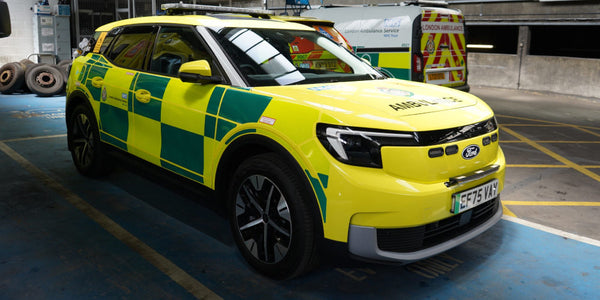


Better Fleet explores why colder weather can disrupt EV operations — and why winter range loss is less about vehicle performance and more about planning assumptions being put under pressure.
Cold weather doesn’t automatically reduce range. It exposes gaps in vehicle selection, charging routines, driver habits and route planning that often go unnoticed in milder conditions. For fleets without visibility or contingency built in, winter becomes the stress test.
In this second edition of Better Fleet, we break down the core reasons EV downtime and range loss rise during colder months — and why they don’t have to.

The core problems behind winter EV disruption
1. Temperature-driven efficiency loss
Battery efficiency follows a predictable temperature curve. According to Geotab, real-world data shows that while EVs are most efficient around 21.5°C, performance drops sharply in colder conditions. At -10°C, fleets can expect access to roughly 60% of target range largely due to energy being diverted to cabin and battery heating.
2. Heating load drains usable range
Warming a cold vehicle is energy-intensive. Cabin heaters can draw between 3,000 and 5,000 watts, compared to just tens of watts for heated seats and steering wheels. Without alternative heating strategies, early journeys consume a disproportionate share of available energy.
3. Slower charging and reduced predictability
Cold batteries charge more slowly, particularly at rapid chargers. Fleets that rely on tight turnaround times or opportunistic public charging often find winter schedules slipping.
4. Vehicle health issues surface earlier
Cold weather magnifies mechanical vulnerabilities. Falling tyre pressure increases rolling resistance, while declining battery voltage or fault codes often appear sooner in winter — increasing downtime risk across EV and ICE fleets alike.
5. Route assumptions no longer hold
Journeys that are achievable on a single charge in summer may no longer be viable in winter. Without adjustment, fleets risk undercharged vehicles, missed jobs and last-minute interventions.
Read guidance in this series
Better Fleet: Winter EV signals fleets should watch
Better Fleet: A winter downtime playbook fleets can actually use

or Join Better Fleet for best-practice planning that's proven through real-world case studies:
Click here: Better Fleet Campaign
Similar Stories
Ultra-rapid charging is moving closer to where fleet vehicles work
Ultra-rapid charging is increasingly moving beyond motorway corridors and int...
Better Fleet: A practical playbook for choosing fleet software
Fleet software should solve problems, not create more systems to manage. Befo...

Better Fleet: What fleet software actually is and how you can get more value from it
Fleet software should make running vehicles easier. Yet the term now covers s...
The Government launches ZEV mandate review

Longer EV replacement cycles make warranty cover more important
As more early electric vehicles move beyond their original manufacturer prote...
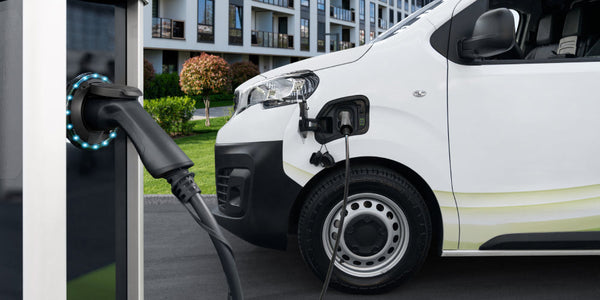
Electric van choice is improving rapidly – fleets should reassess the market
Electric models dominate much of the shortlist for the 2027 International Van...
Public support suggests fleets should keep viable EV plans moving
Most British adults want the transition to electric vehicles to continue at i...
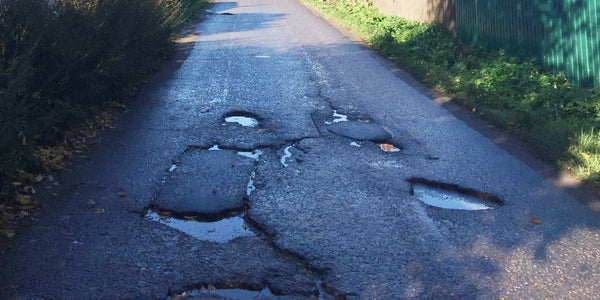
Pothole damage should be measured as a fleet cost
Britain’s deteriorating roads are generating another preventable cost that fl...
What the Epyx and R2C acquisition could mean for fleet SMR
Fleet managers using Epyx or R2C Online should keep a close eye on their deve...

Used EV leasing opens a lower-cost route to electrification
Rapid growth in used electric vehicle leasing is giving fleets another way to...

Mixed-energy fleets need one view of their energy costs
Running petrol, diesel, hybrid and electric vehicles can leave fleet managers...

Why electric-van trials can fail before the vehicles arrive
Electric-van deployments risk underperforming when fleet and sustainability t...

13% fewer miles shows the savings already sitting inside fleets
ArrowXL has cut delivery mileage by approximately 13% after changing the way ...
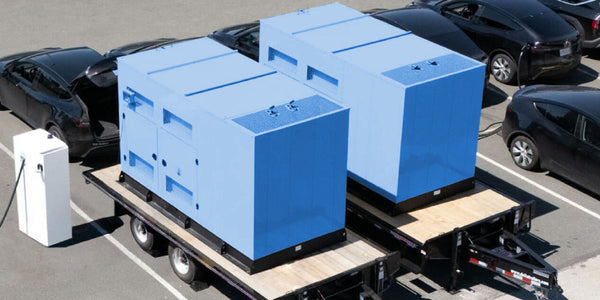
Grid delays no longer have to stop fleet electrification
Fleets facing long waits for grid upgrades may have another route to deployin...
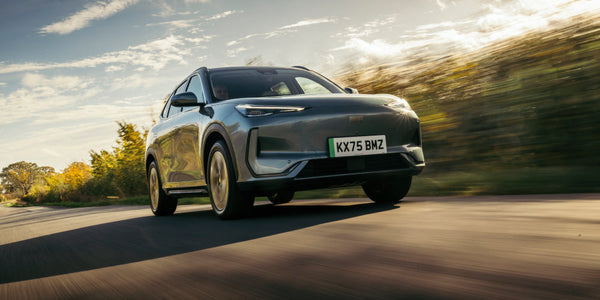
Chinese brands are reshaping UK fleet choice faster than expected
Chinese manufacturers are moving rapidly from challenger status into the UK m...
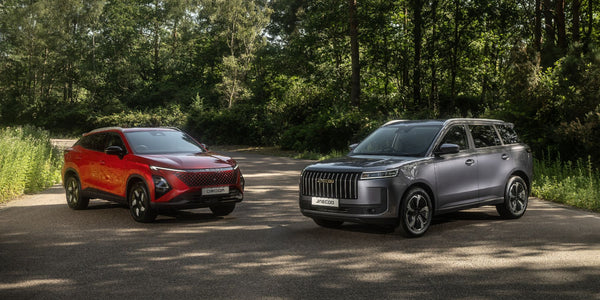
Omoda & Jaecoo UK rank as third largest automotive group in July
The Omoda & Jaecoo UK group registered 8,905 vehicles in July, making it ...
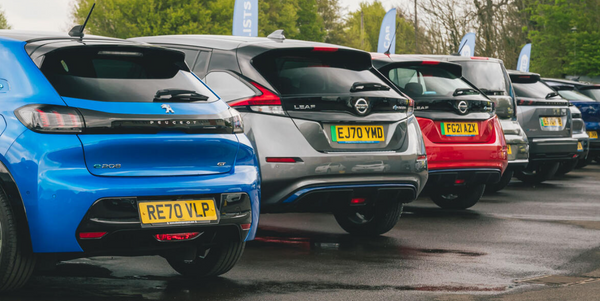
EVs up 67% as used car market sees strong Q2 growth
The used car market in the UK has seen a 0.7% growth in Q2 of 2026, with 2,00...
UK Government announces £130m boost in automotive tech development
The UK automotive industry is set to receive almost £130 million of investmen...
Business lease deals of the week: retro supermini or practical SUV?
Three cars, three very different and compelling lease deals to suit the needs...

UK car sales grow in July - but 'urgent reform' required, says SMMT
The UK's new car market has reached a notable growth milestone, with 156,571 ...
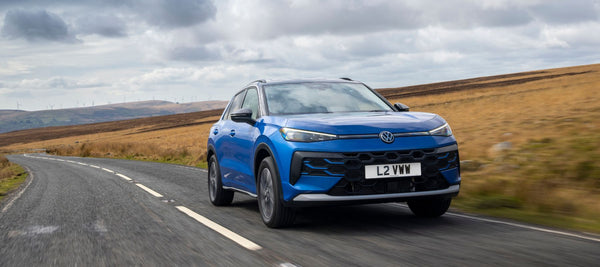
Volkswagen T-Roc ups equipment levels with added Match trim
Volkswagen is adding a Match trim level to the T-Roc SUV, which sits between ...
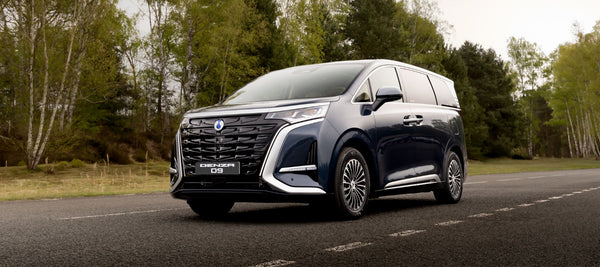
Denza D9 MPV enters UK market - starting from £75,000
BYD's luxury brand, Denza has announced its uber-luxury D9 MPV will be on sal...
Dacia lowers price of Hybrid 155 models by up to £1,750
Dacia has announced it has lowered the price of its Hybrid 155 variants of th...
Black edition Hyundai Ioniq 9 added to line-up
Hyundai has announced a new black edition of its flagship Ioniq 9 SUV is to j...

Geely targets 8000 UK fleet sales as Andrew Stuart sets out growth plans
Geely Auto UK sales director Andrew Stuart discusses its 8000-unit fleet targ...
Geely: fleets must rethink replacement car choice lists as vehicle technology accelerates
Geely Auto UK sales director Andrew Stuart discusses faster vehicle innovatio...

Predictive maintenance could help fleets prevent costly downtime
Leading global fleets provide a new electrification benchmark