


Electric HGV infrastructure is beginning to move beyond individual demonstration sites towards something fleets can use as a genuine network.
Paua has introduced vehicle-size filtering to help commercial operators identify chargers suitable for larger vans, rigid trucks and articulated vehicles.
More importantly, its network increasingly combines conventional public charging with shared private depot infrastructure.
Through Paua Share, businesses that have invested in their own chargers – including bus operators, logistics businesses and truck dealerships – can make spare charging capacity available to other fleets.
That could address one of the biggest barriers to electric-truck deployment.
A fleet may have sufficient charging at its own depot but still need reliable energy hundreds of miles away.
Shared infrastructure can help fill those gaps without requiring every operator to build chargers everywhere its vehicles travel.
For depot owners, there is also an opportunity to generate a return from infrastructure that would otherwise sit unused for part of the day.
The future eHGV charging network could be built partly from infrastructure fleets already own, not solely from new public hubs.
Similar Stories
Success Stories: simplifying a 300-vehicle fleet unlocks six-figure savings
Rapid business growth had left WB Power Solutions with a fleet that was becom...

Public Charging Price Watch: Motorway convenience carries an 11p/kWh premium
This week's Public Charging Price Watch shows that where a driver stops can b...
Mazda 3 Saloon discontinued as 2027 UK range is streamlined
Mazda is discontinuing the 3 Saloon as part of a more simplified line-up for ...
Warning as keyless cars face increased theft risk during winter months
Keyless cars could be more vulnerable to theft during winter, as longer hours...
Tesla drops Full Self-Driving name in Europe amid concerns over misleading motorists
Tesla has dropped the Full Self-Driving (FSD) name for its driver assistance ...
Used EV values surge as rising fuel costs boost demand
Used electric car values have rebounded sharply, with some three-year-old mod...

Fuuse builds on fleet charging momentum with Trusted Brands recognition

Polestar 2 production ends, successor to follow in 2027
Production of the Polestar 2 has officially come to an end after six years, m...

Autumn Budget 2026: What's Next? Six questions the fleet industry needs answered
EV pay-per-mile tax remains on track for April 2028
Electric vehicle drivers are still set to face a new mileage-based tax from A...
Toyota’s electric-van growth shows established LCV brands are gaining momentum
Toyota’s latest European sales results show electric commercial vehicles gain...
Fuel inflation makes efficiency measures more valuable again
Rising fuel prices are putting fresh pressure on fleets still operating signi...

Company car tax rates set to rise by one percentage point in 2030/31
Company car drivers face a future increase in Benefit-in-Kind (BiK) tax follo...

Vehicle-to-grid goes commercial – when could fleet EVs become energy assets?
Vehicle-to-grid charging is moving beyond demonstrations and into genuine com...
Public Charging Price Watch: 55p charging now comes with rewards too
This week’s Price Watch shows how public charging value is increasingly movin...
UK fleet managers still expect an electric future despite policy uncertainty
Confidence in long-term electrification remains high among UK fleet managers ...

Business mileage rates rise as Budget delivers relief for drivers
Employees using their own cars for business travel will benefit from more gen...
Autumn Budget 2026: VAT reduction on household electricity extended until July 2027
Electric vehicle drivers who charge at home are set to benefit from an extens...

The Autumn Budget 2026: What fleet operators need to know
The Autumn Budget brings a mixed outlook for fleet operators and company car ...
Autumn budget: 5p fuel duty freeze extended to July 2027
Fleet operators and drivers have been given further relief after the Chancell...

Chery unveils new Tiggo 7 and Tiggo X7 SUVs
Chery is preparing to expand its UK SUV line-up with the TIGGO X7, a new, mor...
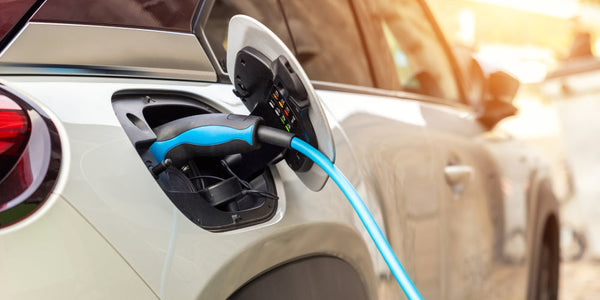
Uncertainty over BiK rates delays salary sacrifice decisions
Uncertainty over future Benefit-in-Kind (BiK) tax rates is prompting drivers ...

Volvo EX60 production ramp-up delayed as model receives 50,000 orders
Fleets may have to wait longer than anticipated if operators have ordered the...
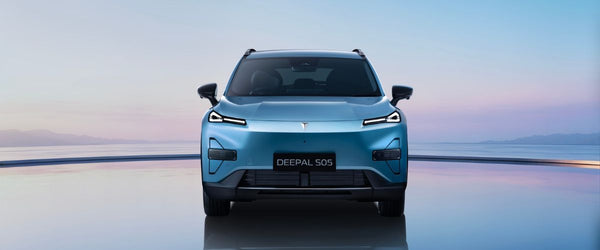
Changan introduces S05 PHEV to UK market
Chinese car manufacturer, Changan has introduced its first hybrid vehicle to ...
Better Fleet: Make the business case survive the contract
One of the weaknesses in traditional fleet procurement: A supplier may delive...

Fleet software consolidation continues as Freeway joins Movement Software
Movement Software has acquired UK fleet-maintenance specialist Freeway Fleet ...

Software-defined safety will change how fleets buy vehicles
Volvo Cars is expanding its partnership with NVIDIA to develop future automat...
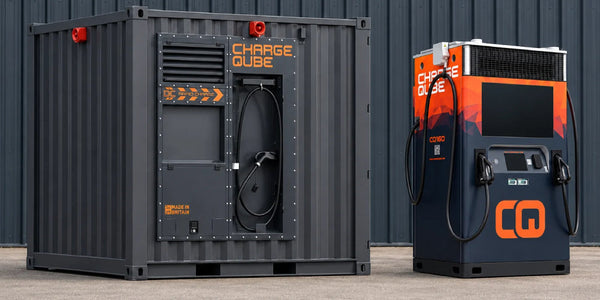
Mobile battery charging could keep EV plans moving through grid delays
Fleet electrification projects do not always stall because the vehicles are u...