


Kier Group has reduced road traffic collisions by 22% and cut driver non-compliance by 70% after introducing a more structured approach to driver risk management across its fleet of almost 8,400 vehicles.
The infrastructure services business, which manages more than 10,000 drivers, worked with TTC to strengthen its fleet compliance programme as the business expanded and fleet risk increased.
A key part of the initiative was the rollout of annual driver risk assessments to around 8,000 employees. Kier achieved a 93% completion rate within three months, using the results to identify higher-risk drivers and target support where it was needed most.
More than 110,000 e-learning modules were issued in the first year alone, achieving a 90% completion rate.
Kier also introduced a new Permit to Drive process, giving fleet managers greater visibility of driver eligibility and compliance. The system links driving permissions to mileage claims, helping ensure only authorised drivers can claim business mileage.
Alongside this, the company developed a Driver Risk Matrix to monitor factors such as penalty points, collisions and disqualifications, helping managers identify trends and intervene earlier.
For fleet operators facing rising insurance costs and pressure to improve safety performance, the results highlight the value of combining driver data, compliance management and targeted training. Fewer collisions typically mean lower repair costs, reduced downtime, fewer insurance claims and improved vehicle utilisation.
Similar Stories

Better Fleet: Design a fleet trial that proves value before rollout
Fleet pilots often produce positive results. That does not necessarily mean t...

Better Fleet: Decide what has to be true instead of relying on supplier promises
Fleet suppliers increasingly sell measurable outcomes rather than simply prod...

Business Lease Shortlist: four EVs for functionality, family and fun
This week’s business lease shortlist focuses on four fully electric vehicles ...
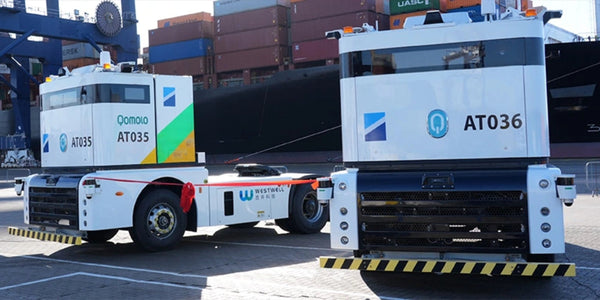
Success Stories: Felixstowe shows autonomous electric fleets working at scale
The Port of Felixstowe is expanding its autonomous electric truck fleet to 10...
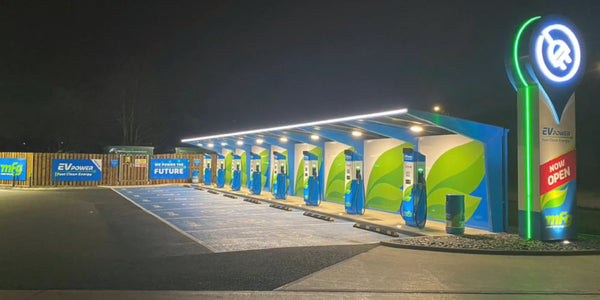
Public Charging Price Watch: network choice can add £18 to a single charge
The difference between public rapid-charging tariffs remains wide enough to m...

New home-charging rights could widen company-car EV appeal
Government proposals could make it easier for tenants and leaseholders in Eng...
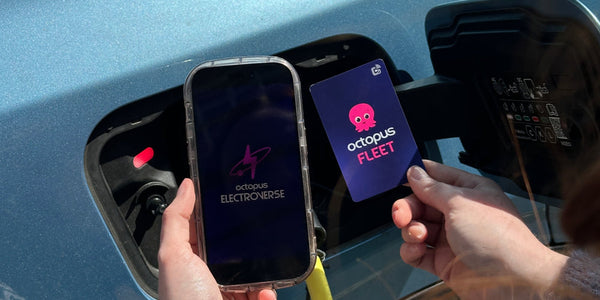
Simplifying fleet electrification starts with smarter integration and less admin
Fleet electrification has transformed the role of the fleet manager, bringing...

Business Lease Shortlist: four fresh electrified options for fleet drivers
This week’s Business Lease Shortlist brings together four vehicles covering a...

Success Story: Calisen uses rooftop solar to tackle electric-vehicle downtime
Calisen is fitting solar battery-maintenance technology across its electric f...

Fleets should prepare now for the next £170m depot charging funding window
Fleet operators planning electric vans, trucks or coaches should start prepar...

Business lease deals of the week: sub £200p/m winners
This week’s Business Lease Deals of the Week brings together three compelling...

Better Fleet: EV policy needs to be fair without pretending every driver has the same circumstances
Uniformity is attractive in fleet policy. One rule is easier to communicate, ...