


British Vehicle Rental and Leasing Association is urging fleets to closely monitor proposed new EV taxation plans, warning that additional road pricing costs could affect electric vehicle uptake and future fleet operating costs.
The warning follows the Government’s decision to delay a planned fuel duty rise after increasing global oil prices pushed up pump costs.
The BVRLA says similar thinking should now be applied to electric vehicles, arguing that proposed new eVED road pricing charges risk making EVs less financially attractive just as fleets are accelerating electrification plans.
The proposed tax system, due from 2028, would introduce a form of pence-per-mile charging for electric vehicles.
For fleets, the issue is less about opposition to EV taxation itself and more about timing, complexity and cost planning.
The BVRLA, alongside wider fleet, leasing and logistics organisations including the Association of Fleet Professionals, says businesses need clearer long-term policy signals to support investment decisions surrounding EV adoption.
The industry is now calling for implementation to be delayed until at least 2032.
While the proposed tax remains under consultation, the debate highlights why fleets are increasingly focusing on long-term whole-life cost modelling rather than simply today’s fuel or tax savings. Mileage tracking, charging strategy and vehicle utilisation data are likely to become increasingly important if road pricing eventually replaces lost fuel duty revenues.
Find out more about TCO planning, see FleetWise's practical playbook to reducing EV cost uncertainty.
Similar Stories

Kia adds performance GT trim to EV3, EV4 and EV5
Kia has expanded its GT trim line portfolio by adding it to three electric mo...
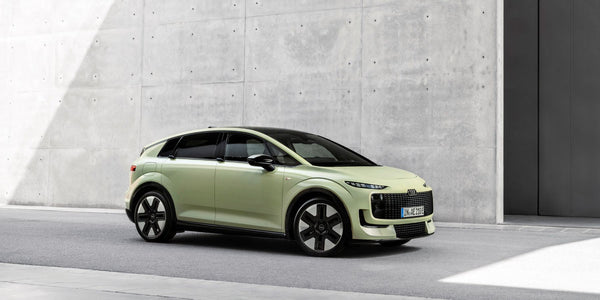
Audi A2 E-Tron unveiled with 401-mile range and £32k starting price
Fleets shopping for a practical lower medium EV have a brand new option, the ...
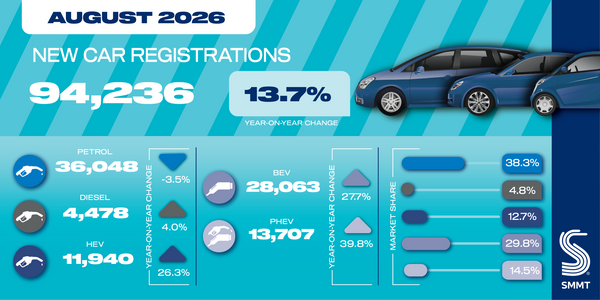
Fleet registrations take 57% market share in August, but September will be 'real acid test' says SMMT
New car registrations grew by 13.7% in August 2026 with fleets taking a 57.2%...
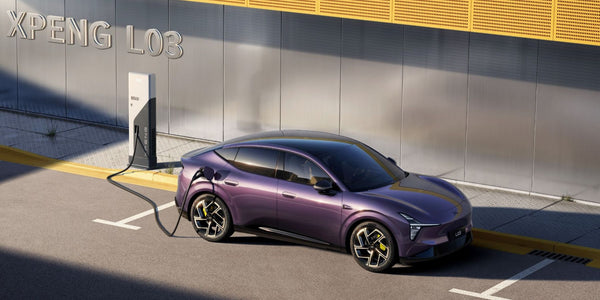
Xpeng sets up own UK retail network ahead of two new model launches
Chinese car maker, Xpeng has moved its UK sales operations in-house, moving a...

Business lease shortlist: four electrified cars worth comparing

Tomorrow’s company-car drivers may arrive expecting an EV

AI fleet systems are starting to recommend the next action

Small fleets should expect simpler mobility payments
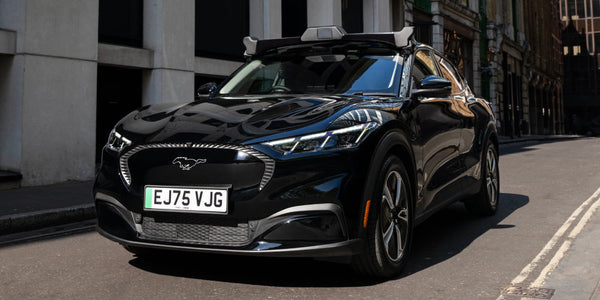
Autonomous fleet operations move from UK plans to passenger journeys
59p/kWh rapid charging offers fleets a September saving
EV charging could start earning fleets money

New HMRC mileage rates are live – check reimbursement settings now
Polestar 4 SUV unveiled, adding practicality to stylish EV
Fleets that enjoyed the Polestar 4 now have the option of a more practical ve...
All-electric Range Rover finally lifts covers
Fleets looking for a Range Rover-style SUV with a full EV powertrain had plen...
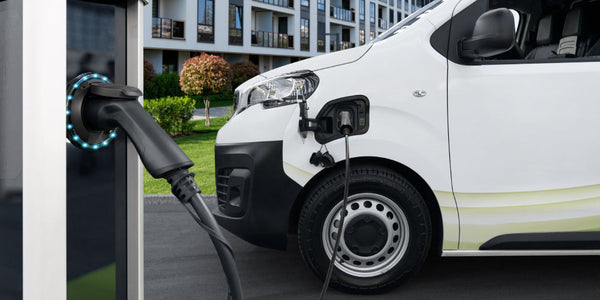
Seven in 10 UK tradespeople considering switch to electric vans, study finds
More than seven in 10 UK tradespeople are considering switching to an electri...
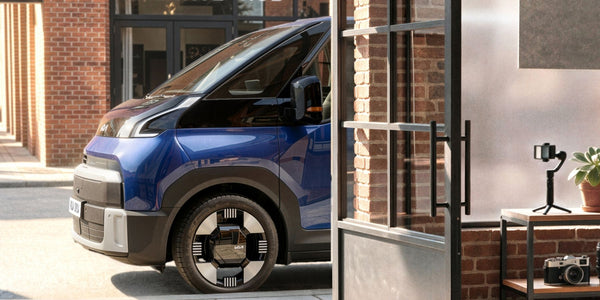
Kia PV7 electric van teased ahead of reveal at IAA Transportation show
The Kia PV7 has been teased ahead of its official unveiling at the IAA Transp...
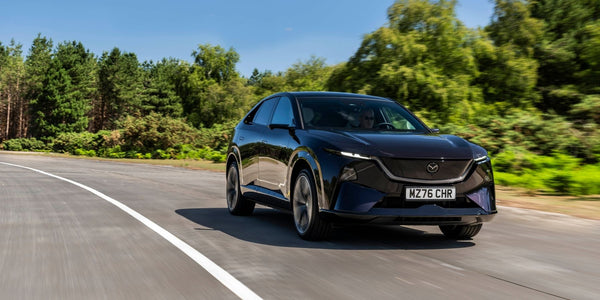
UK pricing announced for Mazda CX-6e electric SUV
Mazda has revealed UK pricing and specifications for its new all-electric CX-...
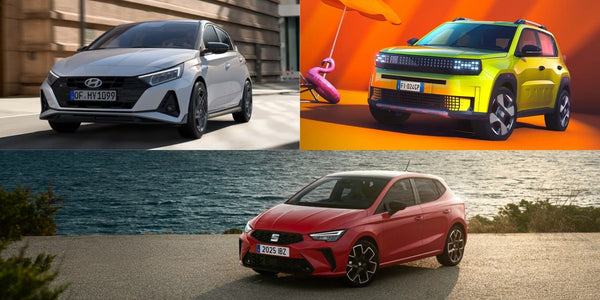
Business lease deals of the week: small but practical
Small cars that are easy to park, affordable to run, yet boast good practical...
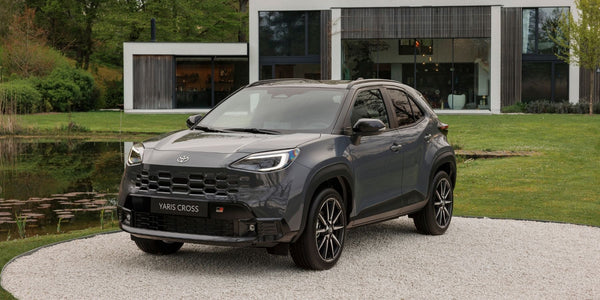
Updated Toyota Yaris Cross goes on sale, priced from £27,445
Toyota has refreshed its popular Yaris Cross, with the updated compact SUV no...
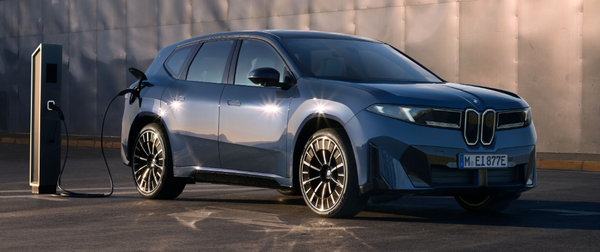
BMW exceeds two-million electric vehicle sales
The BMW Group has just sold its two-millionth electric vehicle (EV), marking ...

Fleets gain confidence in Chinese EVs as affordability and AI become key drivers
Acceptance and fleet desirability for Chinese EVs has grown as affordability,...

Better Fleet: Seven ways to scale your fleet without scaling the workload

Better Fleet: How AI and automation can make growing fleets easier to manage

Better Fleet: How to keep fleet operations under control as you grow
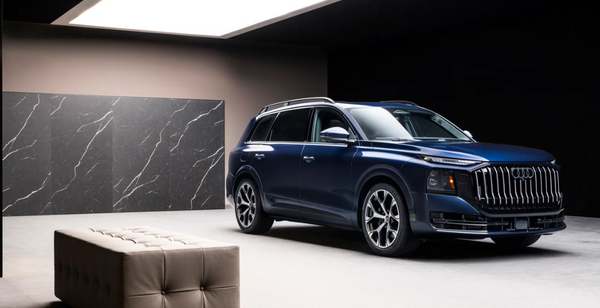
UK pricing announced for flagship Audi Q9 SUV
The UK price of the Audi Q9 has been revealed, starting from £103,900 for the...
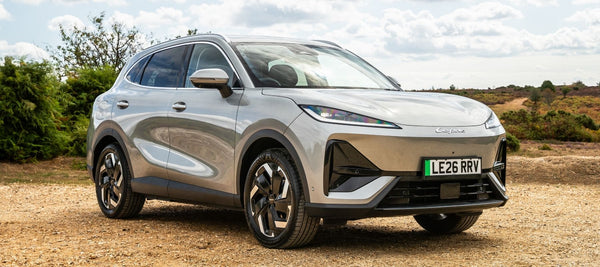
Lepas L6 EV lands in UK to sit alongside Jaecoo and Omoda
Chinese brand, Lepas is launching a second car for the UK market, called the ...
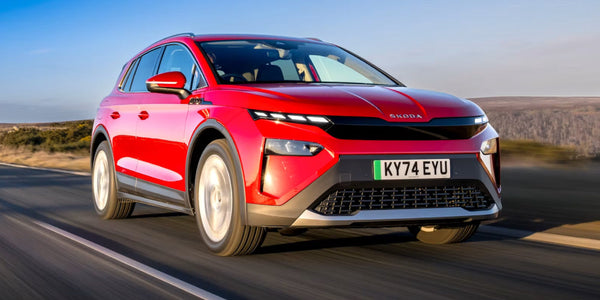
Business lease shortlist: four fleet-friendly cars worth comparing

Electrified vehicle production grows despite pressure on UK manufacturing

88% of van fleets now want external help with electrification

Could wider 20mph limits change fleet journey planning?

Fleets need charging availability data, not just charger numbers
ZEV mandate changes could put £1.56bn of charging investment at risk

LEPAS builds fleet support into its UK launch
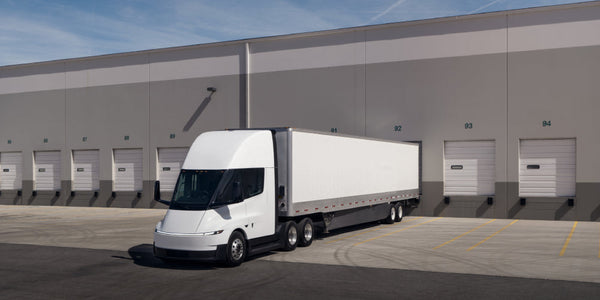
Tesla Semi European arrival gives HGV fleets another electrification option
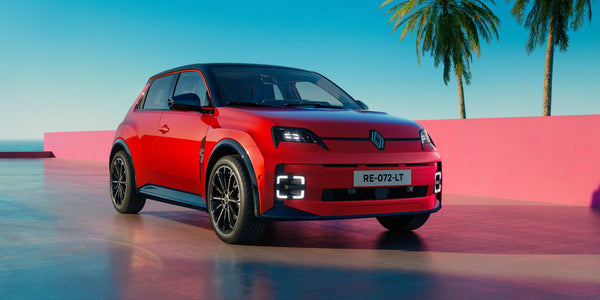
Renault 5 updated with extra range and options, plus smaller battery pack
The Renault 5 has been hugely popular for fleets, thanks to its desirability ...
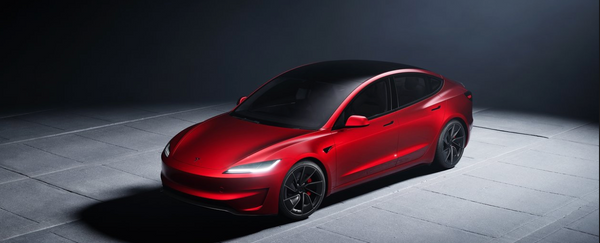
Three-million Teslas in China recalled over pop-out door handles - prompts industry re-think
A total of 4.3 million cars - three-million being Teslas - are being recalled...

Suzuki e-Sky revealed: electric Kei car coming to UK in 2027
Fleets shopping for city-friendly electric vehicles (EVs) have a good choice ...
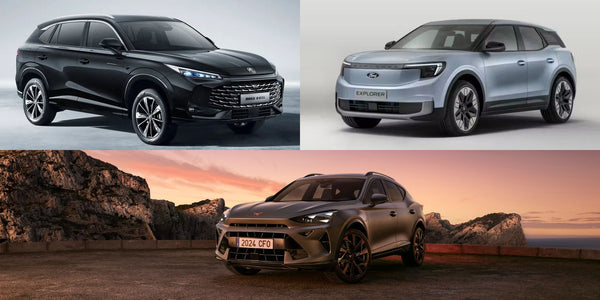
Business lease deals of the week: electric, PHEV, or petrol?
Petrol, hybrid or electric? We've found three family cars for similar rates w...
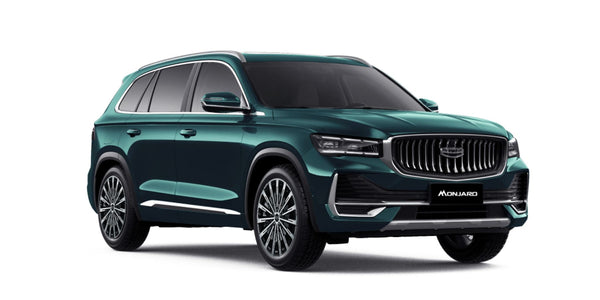
Geely Monjaro poised for European launch, UK soon to follow
The hybrid family SUV segment is hugely competitive with fleet buyers, and th...

Fleet partnerships must combine digital efficiency with human expertise
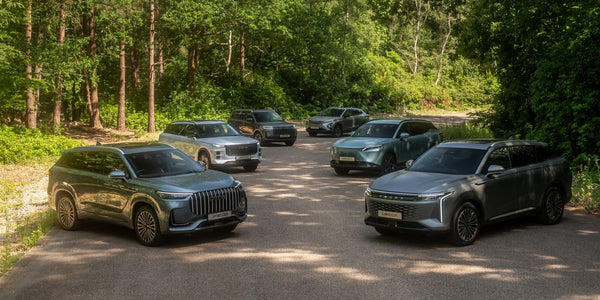
Chery, Jaecoo and Omoda boost warranties to give fleets more confidence
The Chery Automobile group, which also controls Jaecoo and Omoda, has extende...
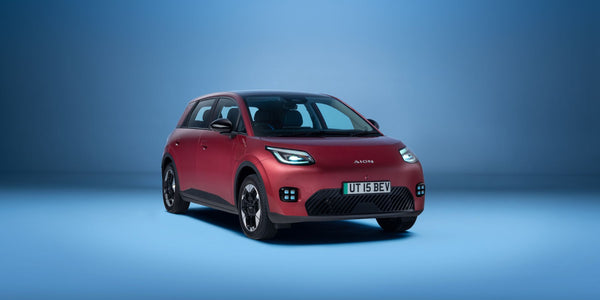
Aion UT supermini to be priced from £28,950
The Aion UT is the new Chinese supermini ready to take on established Europea...
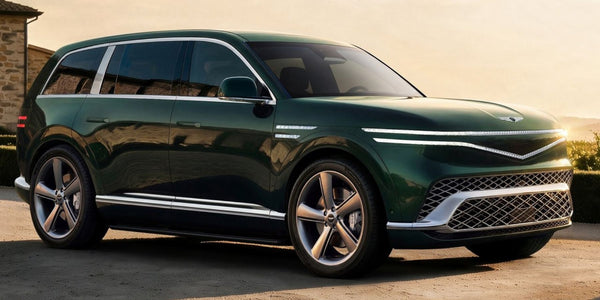
Meet the Genesis GV90 - full-size electric SUV fights Range Rover
Fleets considering full-size luxury SUVs have a new challenger alongside the ...
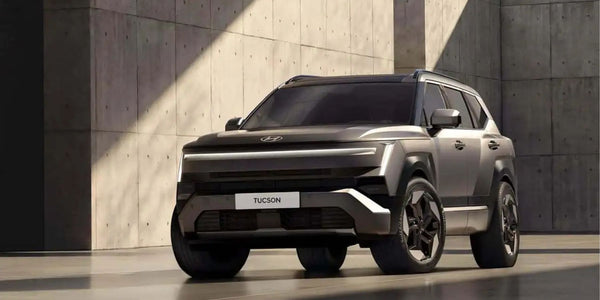
2027 Hyundai Tucson unveiled | Bolder styling, high tech cabin
Fleets shopping in the mid-size family SUV segment have consistently shortlis...
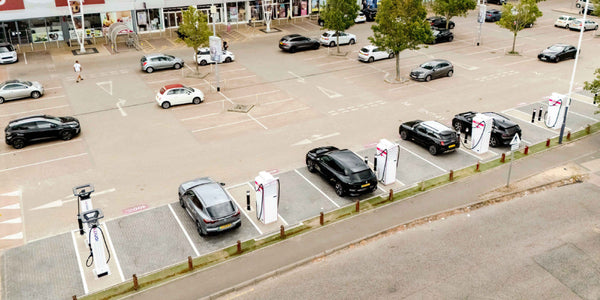
Ultra-rapid charging is moving closer to where fleet vehicles work
Ultra-rapid charging is increasingly moving beyond motorway corridors and int...

Safety technology only works best if drivers trust it
New Teletrac Navman research found 74% of well-prepared drivers rated their c...