


Every fleet manager knows downtime is expensive.
The problem is that most fleets only measure part of the cost.
Repair invoices, workshop days and vehicle-off-road figures are relatively easy to track. The operational consequences are much harder to see, creating a blind spot.
A van can spend three days in a workshop and the fleet team may know exactly what the repair cost. But can they say how many jobs were missed, how much productivity was lost or what impact it had on customer service?
Increasingly, that's where the real cost sits.
Downtime has become an accepted cost of doing business
Many operators still treat downtime as inevitable; if you work with vehicles then break downs are bound to happen and they take some time.
But some fleet leaders, like Lee O'Connell, Director at Startin Group Fleet, are questioning that mindset.
“Downtime has long been accepted as part of running a fleet. Vehicles come off the road, jobs get delayed, and everyone moves on. That thinking no longer holds up. Every hour a vehicle sits off the road carries a cost. Lost productivity, missed revenue, damaged customer relationships.”
That distinction matters because the biggest costs often sit outside the fleet department.

The repair bill is often the smallest cost
Downtime is usually treated as a maintenance issue.
A vehicle breaks down, gets repaired and returns to service. Problem solved and repair bill paid.
But research from Mercedes-Benz Vans suggests the true impact is much wider. Its latest Uptime Advantage Report found vehicle downtime costs the average UK business £1,172.20 per day, while 41% of businesses say downtime increases staff stress and a third report workflow disruption.
For service, delivery and engineering fleets, a vehicle is often the tool that enables the work. Without it, productivity comes to a complete halt.
Downtime creates ripple effects
The biggest costs rarely appear on a workshop invoice, showing up elsewhere:
- missed appointments and delayed deliveries
- replacement hire vehicles
- overtime costs
- frustrated customers
- disrupted schedules with unhappy staff
As Jaama recently highlighted, a single vehicle out of action on the wrong day can create disruption that takes days to resolve.
The challenge is that these costs often sit across different departments; fleet sees the repair, operations sees the disruption, finance sees the cost, and nobody sees the full picture. The varying impacts are essentially siloed.

Visibility is becoming the differentiator
The fleets making the most progress are starting to approach downtime differently. Instead of measuring workshop activity alone, they're connecting vehicle availability with business outcomes.
That means asking:
- Which vehicles generate the most downtime?
- Which suppliers create delays?
- Which depots are most affected?
- Which jobs are being disrupted?
Those questions are moving downtime from a maintenance metric to a business performance metric.
The market is moving beyond maintenance reporting
New solutions are emerging that combine service, maintenance and repair data with operational performance, allowing fleets to understand not just when vehicles are off the road, but what impact that has on the wider business.
In the next article, we look at what effective downtime management actually looks like in practice.
Read more guidance in this series:
What effective downtime management actually looks like
A practical playbook for reducing fleet downtime
Join Better Fleet for best-practice planning that's proven through real-world case studies:
Click here: Better Fleet Campaign

Similar Stories

Smarter maintenance, cutting fleet downtime, and keeping vehicles productive
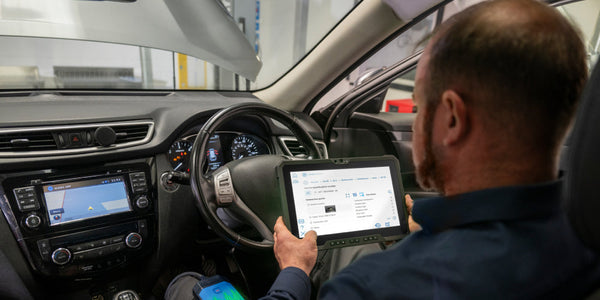
How AI and connected diagnostics can help fleets predict faults and speed up repairs
If reducing downtime is the objective, the challenge for fleets is increasing...
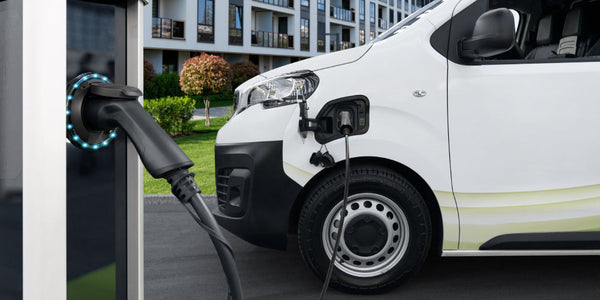
Seven in 10 UK tradespeople considering switch to electric vans, study finds
More than seven in 10 UK tradespeople are considering switching to an electri...
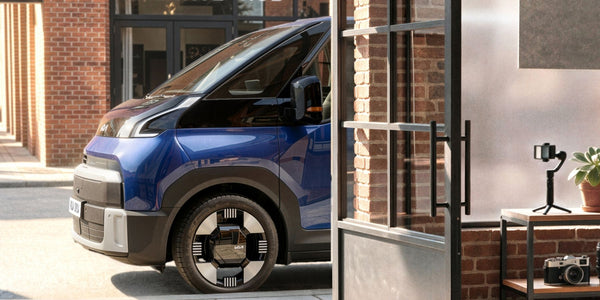
Kia PV7 electric van teased ahead of reveal at IAA Transportation show
The Kia PV7 has been teased ahead of its official unveiling at the IAA Transp...
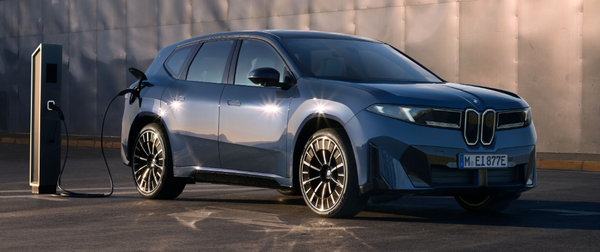
BMW exceeds two-million electric vehicle sales
The BMW Group has just sold its two-millionth electric vehicle (EV), marking ...