


Five Years of Change: How Fleet Management Became a Strategic Business Function
The first edition of 100 Trusted Brands in Fleet launched in 2022, just as fleets were entering one of the most challenging and transformative periods in their history.
What followed was a perfect storm of disruption. Supply chain shortages extended vehicle replacement cycles. Fuel prices reached record highs. Interest rate rises increased funding costs. Electric vehicle residual values came under pressure. At the same time, fleets faced growing expectations to reduce emissions, improve sustainability reporting and maintain operational efficiency despite mounting economic uncertainty.
Five years on, the fleet landscape looks very different.
Fleet management has evolved from a discipline primarily focused on vehicle acquisition and operating costs into a strategic business function responsible for balancing productivity, compliance, sustainability, risk management and cost control. Decisions that were once relatively straightforward now require careful consideration of multiple interconnected factors.
The transition to electric vehicles has been one of the most significant drivers of change. What began as an environmental initiative has become a complex operational challenge involving vehicle suitability, charging infrastructure, reimbursement processes, driver engagement, energy management and residual value risk. For many organisations, the focus has shifted from simply replacing vehicles to redesigning entire mobility strategies.
At the same time, the nature of fleet costs has changed. Historically, fleet managers could rely on established cost-saving measures such as extending replacement cycles or negotiating vehicle discounts. Today, those decisions carry wider implications. A vehicle kept in service longer may reduce capital expenditure but increase downtime risk. Choosing the wrong funding strategy can impact flexibility. Delaying electrification can affect both sustainability targets and future operating costs.
Perhaps the most profound change has been the explosion of operational data. Connected vehicles, telematics, payment platforms and fleet management systems now generate unprecedented levels of intelligence. Fleet operators have moved beyond simply monitoring vehicles to actively managing driver behaviour, vehicle utilisation, maintenance planning and energy consumption in near real-time.
This shift has enabled fleets to move from reactive management towards predictive decision-making. Increasingly, organisations are using data to identify potential issues before they become problems, whether that's preventing vehicle downtime, reducing accident risk or optimising charging behaviour.
The role of suppliers has evolved too. Fleet managers are no longer looking solely for products or services. They are seeking trusted partners capable of navigating complexity, providing expertise and helping them make informed decisions in an environment characterised by constant change.
This changing relationship is reflected in the 100 Trusted Brands research itself. Over five years, more than 2,000 responses from UK fleet decision-makers have contributed to the Fleet Power Index, creating one of the most robust and consistent measures of trust in the sector. The brands that continue to perform strongly are those that have adapted alongside their customers, helping fleets overcome challenges rather than simply supplying solutions.
As the industry looks ahead, the pace of change shows little sign of slowing. Artificial intelligence, connected mobility, vehicle electrification, energy management and increasingly sophisticated fleet data ecosystems are set to reshape operations once again.
If the last five years have demonstrated anything, it is that successful fleet management is no longer about managing vehicles alone. It is about managing risk, productivity, sustainability and business performance in a world where every decision is connected. The fleet leaders and suppliers that thrive will be those that continue to adapt, innovate and earn trust through measurable results.
Read the full article in the 2026 100 Trusted Brands Report on page 10 Trusted Brands | FleetWise Market Place
Similar Stories
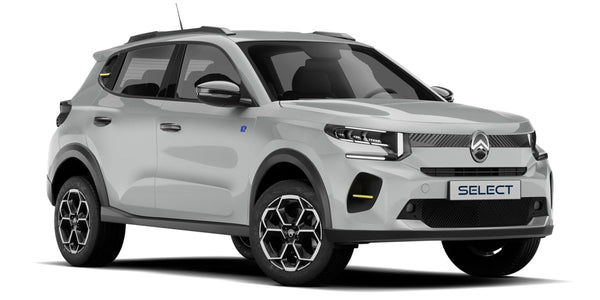
Business lease shortlist: EVs for urban use, mainstream drives, family duties, and longer range
This week’s shortlist groups together four full EVs covering entry-level urba...
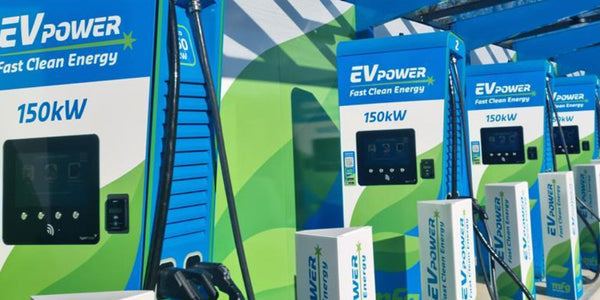
Public Charging Price Watch: app pricing widens the gap between tariffs
Public charging prices continue to diverge, making the way drivers pay increa...
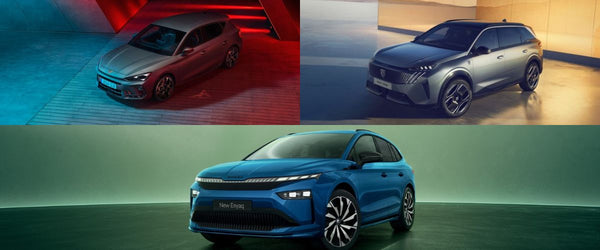
Business lease deals of the week: sporty hatchback or polished family SUV
From sporty hatchbacks to practical electric SUVs, we've picked out the best ...
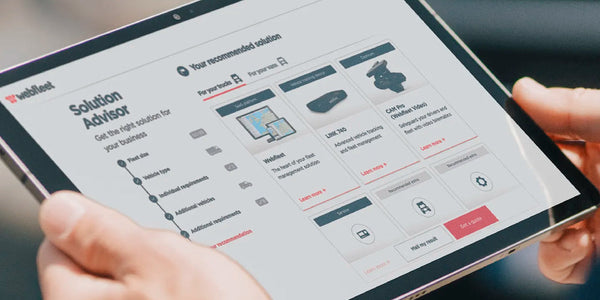
Where is your fleet wasting money? Start with this advice from Webfleet’s Alex Crane-Robinson
Most fleets already have enough operational data to uncover meaningful saving...
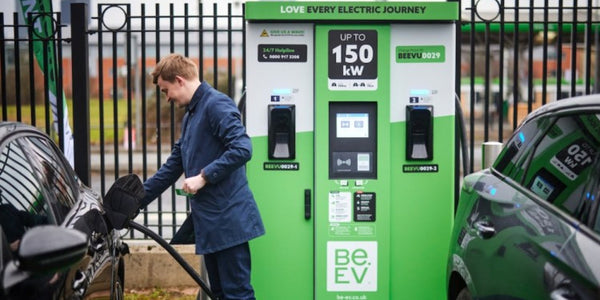
Public Charging Price Watch: subscriptions start to challenge PAYG
Public charging is moving beyond simple pence-per-kWh pricing, with subscript...
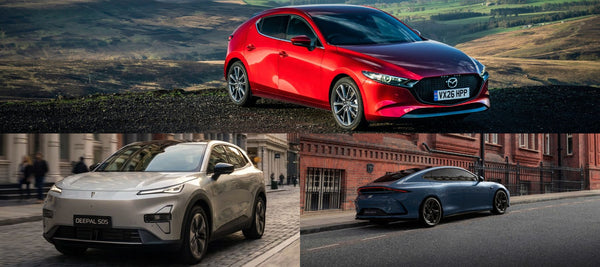
Business lease deals of the week: bargain hatchback or great value cruiser
Whether you're after a family hatchback at a bargain price or a great-value f...