


HMRC has confirmed that from 1 September 2025, company car drivers using electric vehicles will see two separate Advisory Electric Rates (AERs) depending on where they charge.
Home charging: 8 pence per mile
Public charging: 12 pence per mile
Until now, a single AER of 7 pence per mile has applied, but fleets and drivers have long raised concerns that this did not reflect the higher costs of public charging. The updated structure aims to provide more realistic reimbursement rates and reduce the financial gap for drivers who cannot rely solely on home charging.
How the new rates are calculated
The figures are based on:
An average EV efficiency of 3.59 miles per kWh (weighted by car sales).
Domestic energy prices at 27.04 pence/kWh, equating to 7.52 pence per mile (rounded to 8ppm).
Public charging costs at 51.00 pence/kWh, equating to 12.37 pence per mile (rounded to 12ppm).
| Charging location | Electrical efficiency (miles per kWh) | Electricity cost per kWh (pence) | Rate per mile (pence) | Advisory electric rate |
|---|---|---|---|---|
| Home charger | 3.59 | 27.04 pence | 7.52 pence | 8 pence |
| Public charger | 3.59 | 51.00 pence | 12.37 pence | 12 pence |
HMRC has also published latest Advisory Fuel Rates (AFRs) for the new quarter. Petrol rates have been carried over from the third quarter but there are some changes for diesel company cars. The rate for smaller-engined diesels (1600cc or less) rises from 11 to 12ppm while the rate for larger engines (over 2000cc) also rises a penny, going from 17 to 18ppm.
The rise comes after diesel pump prices jumped nearly 2p a litre in July, according to RAC data.
Guidance for fleets
As with other Advisory Fuel Rates, fleets are permitted to reimburse at a higher rate if they can demonstrate that the actual cost per mile is higher. This provides flexibility for organisations whose drivers face higher-than-average charging costs, particularly at rapid or ultra-rapid charge points that are not covered by the base calculation.
The change is expected to bring greater fairness to electric company car users and aligns with HMRC’s quarterly updates to Advisory Fuel Rates for petrol, diesel, and LPG vehicles.
Similar Stories

Fastned offers EV drivers £25 charging credit as VAT gap widens

Roadchef deal expands ultra-fast charging options for high-mileage fleets
Roadchef has signed a new agreement with bp pulse to expand ultra-fast EV cha...
Small fleets increasingly need access to big-fleet expertise
The Association of Fleet Professionals is offering 50 funded memberships to s...

Longer EV test drives could improve salary-sacrifice uptake
Extended test drives are emerging as another way for fleets to increase emplo...

Arval’s 30% EV milestone shows fleet electrification moving beyond pilots
Electric vehicles now account for more than 30% of Arval UK’s leased fleet, p...

Success Stories: Dundee shows what an energy-first fleet strategy looks like
Dundee City Council has built a fleet-energy model that combines solar genera...
Public Charging Price Watch: subscriptions start to challenge PAYG
Public charging is moving beyond simple pence-per-kWh pricing, with subscript...
Business lease shortlist: 4 EVs for different fleet grades
Electric company-car choice is now broad enough that fleets can build genuine...
Range Rover Sport Electric unveiled, starting from £109k
The next model in the fully electric Range Rover lineup has been announced, s...
BMW 3-Series unveiled, adopts Neue Klasse styling
The next-generation BMW 3-Series has been unveiled, revealing that it will ad...
Mazda Service Plan expanded to include out-of-warranty cars
Mazda has launched a new service plan designed to bring more out-of-warranty ...
Electric vans could slash fuel costs by 87%, says Volkswagen
Van drivers could cut annual fuel costs by up to 87% by switching from diesel...
Business lease deals of the week: bargain hatchback or great value cruiser
Whether you're after a family hatchback at a bargain price or a great-value f...
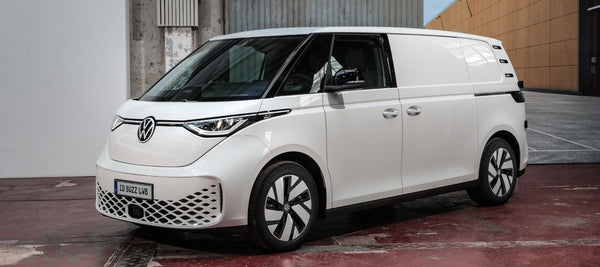
Volkswagen introduces long-wheelbase ID. Buzz Cargo
Volkswagen Commercial Vehicles has unveiled a new long-wheelbase version of t...
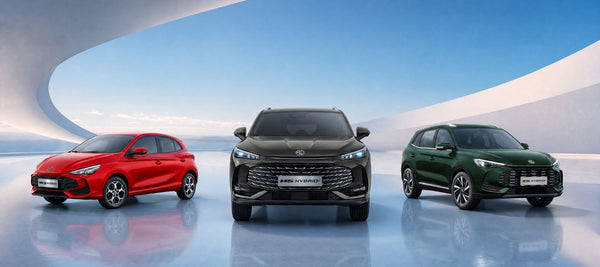
MG ZS, HG and MG3 updated with revised Hybrid+ powertrain
MG has updated its MG3, ZS and HS ranges with additional standard equipment a...
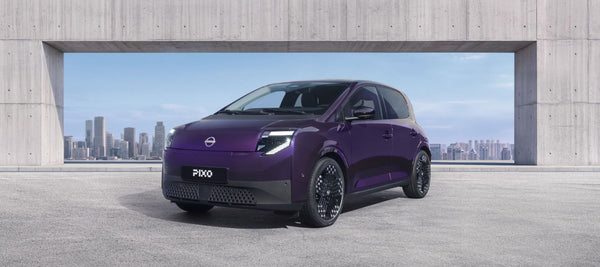
Nissan Pixo unveiled as affordable electric city car
Nissan has unveiled the new Pixo, a compact electric city car that's twinned ...
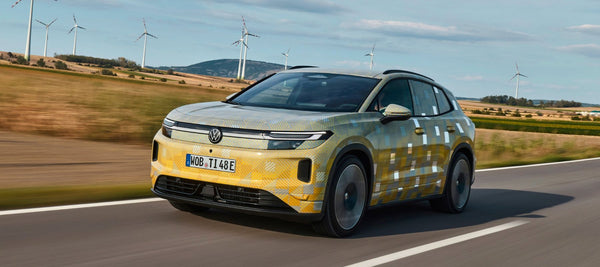
Volkswagen ID. Tiguan previewed ahead of October reveal
The Volkswagen ID. Tiguan is being added to the brand's all-electric lineup, ...
Better Fleet: Build a route risk model before reserving your longest journeys for diesel
How should fleets formalise route risk so difficult journeys don't unnecessar...

Better Fleet: Why vehicle allocation could become a live optimisation decision
How could vehicle allocation become dynamic across the entire fleet? The bigg...
Better Fleet: Stop asking about range and ask about operational margin
How should an experienced fleet manager quantify whether one vehicle is suita...
Public Charging Price Watch: off-peak tariffs widen the savings gap
Fleet managers willing to plan where and when drivers charge can now cut publ...
London tunnel charges have changed – check fleet systems now
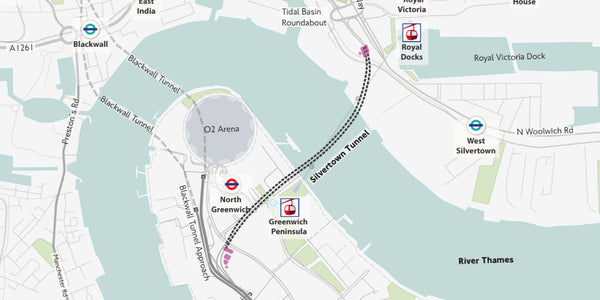
Charges for using the Blackwall and Silvertown tunnels changed on 21 Septembe...
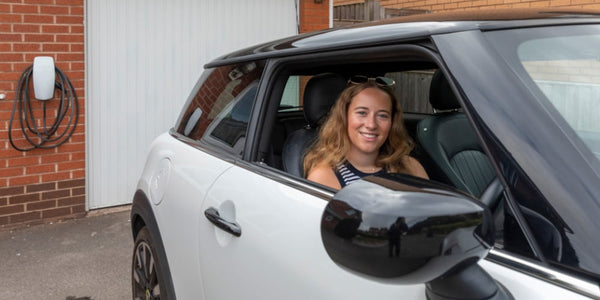
Young-driver EV demand strengthens the case for policy certainty
New E.ON Next research shows younger drivers are increasingly treating electr...
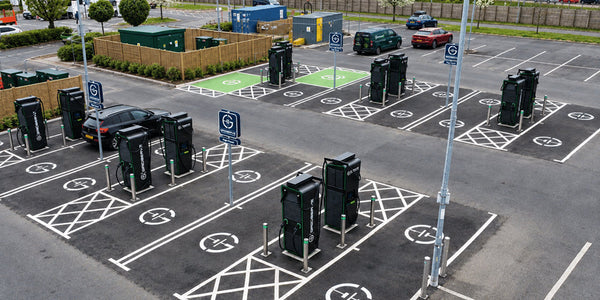
Smarter grid connections could accelerate the next wave of rapid charging
GRIDSERVE and Extra have opened a new 24-bay ultra-rapid charging hub at Cobh...
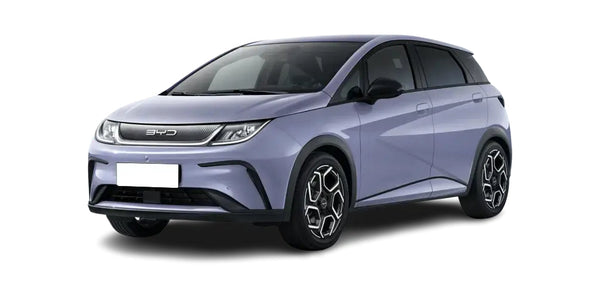
Business lease shortlist: four electrified cars for different fleet roles
This week's business lease shortlist covers a value-focused EV hatchback, a s...

Could your fleet be owed money from the £56m vehicle-shipping settlement?
Fleet operators that bought or leased new vehicles between October 2006 and S...

EVs now account for more than a quarter of new UK car registrations
Fresh Department for Transport data shows zero-emission vehicles continuing t...

Nissan X-Trail unveiled as U.S-market Rogue, UK arrival by 2028
Nissan has unveiled its next-generation X-Trail, with the new SUV set to brin...

High-mileage EVs have better MOT pass rates than petrol cars, study finds
New research shows that EVs are less likely to fail an MOT than petrol equiva...
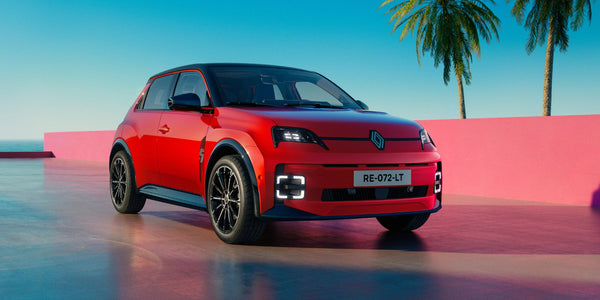
Renault 5 gains more range and clever tech in mid-life update
The Renault 5 E-Tech has been treated to a series of efficiency, technology a...
Fuel prices 'to keep on rising', says RAC as diesel averages nearly £2 per litre
The latest fuel price figures show that the average price of petrol in the UK...
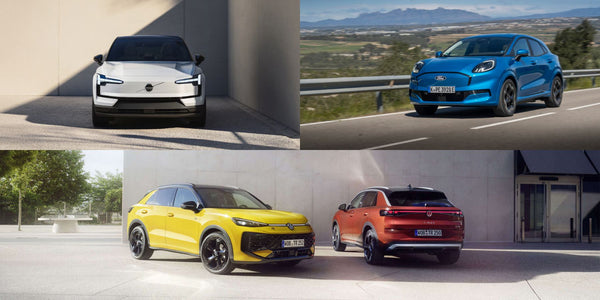
Business lease deals of the week: small SUVs to do it all
We've sourced three great business lease deals on small SUVs. See why they're...
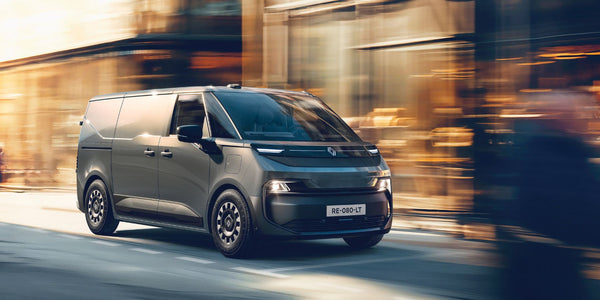
Production spec Renault Trafic E-Tech revealed - arrives in the UK in 2027
The production variant of the Renault Trafic E-Tech has been revealed at the ...
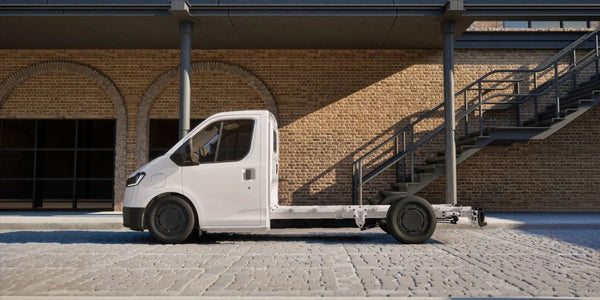
Electric Ford Transit City now available with chassis cab
Ford has unveiled the new Transit City chassis cab, representing Ford Pro’s f...

Omoda & Jaecoo steps up RAC partnership with dedicated repair support
Omoda & Jaecoo's UK operation has expanded its partnership with the RAC i...
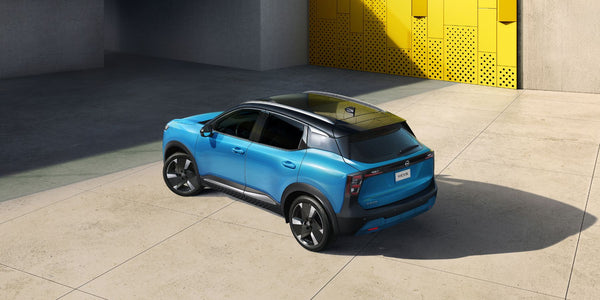
Nissan Kicks coming to UK - and it'll be built in Sunderland
Nissan is investing £170m to build a new model in its UK Sunderland plant. Me...

Business lease shortlist: four EVs worth comparing below £350 a month
Electric fleet choice is broadening quickly, and current lease pricing shows ...
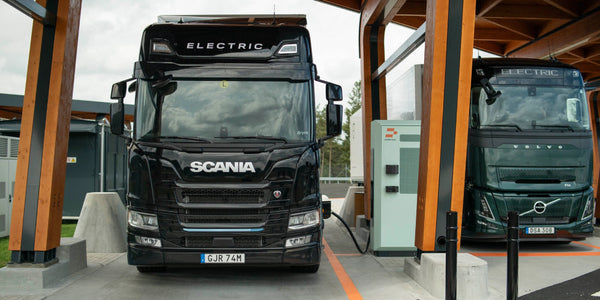
Megawatt charging is starting to fit around HGV rest periods
Electric truck charging is beginning to align more closely with the working p...

One charging record could simplify home, depot and public EV costs
Paua and Zaptec have partnered to bring home, workplace, depot and public cha...

BYD brings Chinese competition to Europe’s electric-truck market
Chinese manufacturer BYD plans to introduce its first heavy-duty truck in Eur...
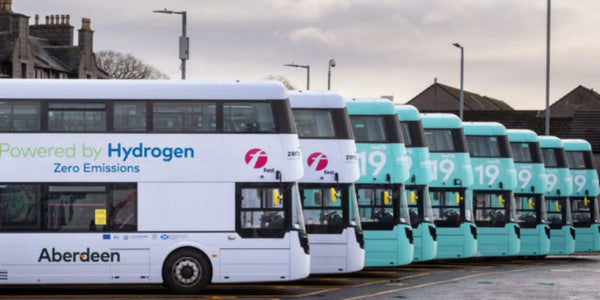
Hydrogen’s 95% value loss highlights whole-life cost risk
A fleet of Aberdeen hydrogen buses is providing a striking reminder that emer...
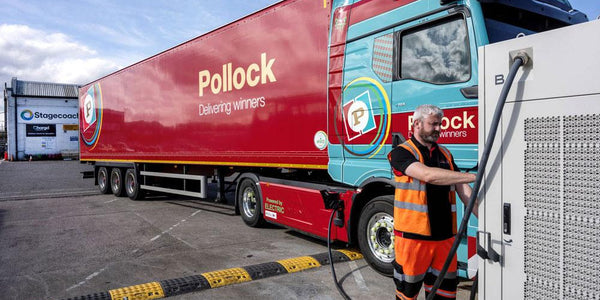
Shared depot charging unlocks a 320-mile electric HGV route
Gregory Group is using Stagecoach’s Inverness bus depot to charge electric HG...

Public Charging Price Watch: how much should fleets really be paying?
The UK average for PAYG rapid and ultra-rapid charging currently stands at ar...
Home charging gets easier for drivers without driveways
A key barrier to home EV charging is being reduced, with the Government confi...