


Five years ago, telematics was largely synonymous with vehicle tracking. Fleet managers used it to locate vehicles, review journeys and investigate incidents after they had happened.
Today, connected fleet technology has become something far more powerful.
The rapid development of connected vehicles, telematics platforms and integrated fleet management systems has transformed how organisations manage their operations. Rather than simply recording what has happened, today's connected fleets provide real-time visibility of driver behaviour, vehicle utilisation, maintenance requirements, fuel consumption, energy use and operational performance.
This evolution has coincided with one of the most demanding periods the fleet industry has experienced.
Since the first 100 Trusted Brands in Fleet report launched in 2022, fleet operators have faced supply chain disruption, rising operating costs, accelerating electrification and increasing regulatory complexity. Making the right decisions has become more challenging, but connected fleet technology has given organisations the insight needed to respond faster and with greater confidence.
Perhaps the greatest change has been the move from reactive to predictive fleet management.
Instead of waiting for problems to emerge, connected vehicles now allow fleet managers to identify maintenance trends before vehicles break down, understand why fuel costs are increasing, spot inefficient vehicle utilisation and recognise driver behaviours that could lead to collisions or unnecessary wear and tear.
The value of this intelligence extends well beyond operational efficiency.
Better fleet data is helping organisations reduce emissions, improve duty of care, strengthen compliance and optimise whole-life costs. As electric vehicles become a larger part of company fleets, connected platforms are also providing greater visibility of charging behaviour, energy consumption and vehicle suitability, helping businesses make more informed decisions about fleet electrification.
Artificial intelligence is expected to accelerate this transition even further. Across the industry, suppliers are exploring how AI can automate reporting, identify operational trends and support faster decision-making. But AI is only possible because connected fleets now generate vast quantities of accurate operational data.
The role of telematics providers has evolved alongside these changes. Today's leading suppliers are no longer simply providing tracking hardware. They are helping businesses improve safety, influence driver behaviour, reduce operating costs and deliver measurable sustainability outcomes through better use of data.
This transformation is reflected throughout the 2026 100 Trusted Brands in Fleet research. Fleet managers increasingly recognise suppliers that help them turn operational intelligence into practical business improvements, rather than simply presenting more information.
The connected fleet revolution is no longer about knowing where vehicles are. It is about understanding how every journey, every driver and every vehicle contributes to safer, more efficient and more resilient fleet operations.
Read the full Five Years of Change feature in the 2026 100 Trusted Brands in Fleet report.
Similar Stories

Better Fleet: Design a fleet trial that proves value before rollout
Fleet pilots often produce positive results. That does not necessarily mean t...
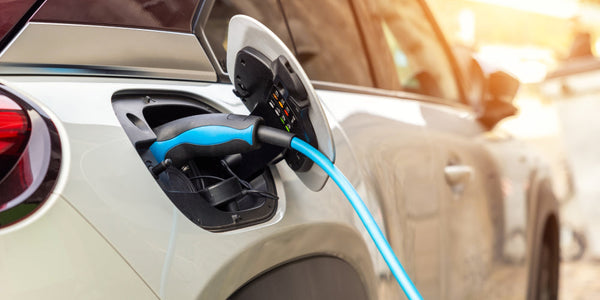
Better Fleet: Make the business case survive the contract
One of the weaknesses in traditional fleet procurement: A supplier may delive...

Better Fleet: Decide what has to be true instead of relying on supplier promises
Fleet suppliers increasingly sell measurable outcomes rather than simply prod...

Business Lease Shortlist: four EVs for functionality, family and fun
This week’s business lease shortlist focuses on four fully electric vehicles ...
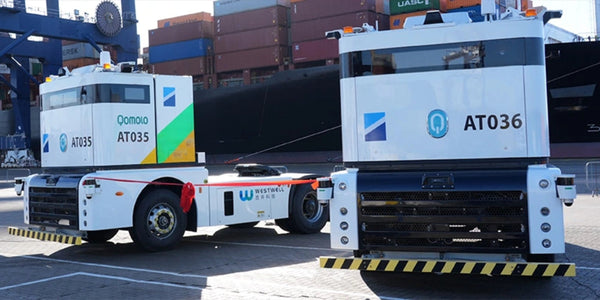
Success Stories: Felixstowe shows autonomous electric fleets working at scale
The Port of Felixstowe is expanding its autonomous electric truck fleet to 10...
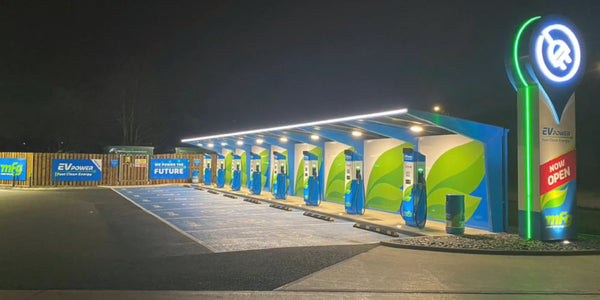
Public Charging Price Watch: network choice can add £18 to a single charge
The difference between public rapid-charging tariffs remains wide enough to m...

New home-charging rights could widen company-car EV appeal
Government proposals could make it easier for tenants and leaseholders in Eng...
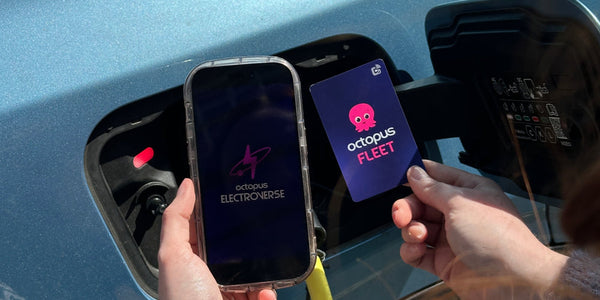
Simplifying fleet electrification starts with smarter integration and less admin
Fleet electrification has transformed the role of the fleet manager, bringing...

Business Lease Shortlist: four fresh electrified options for fleet drivers
This week’s Business Lease Shortlist brings together four vehicles covering a...

Fleets should prepare now for the next £170m depot charging funding window
Fleet operators planning electric vans, trucks or coaches should start prepar...
Business lease deals of the week: sub £200p/m winners
This week’s Business Lease Deals of the Week brings together three compelling...

Better Fleet: EV policy needs to be fair without pretending every driver has the same circumstances
Uniformity is attractive in fleet policy. One rule is easier to communicate, ...