


Five years ago, most fleet operators were already collecting data. The challenge was knowing what to do with it.
Today, the situation has changed dramatically. Data has become one of the most important tools available to fleet decision-makers, helping organisations control costs, improve safety, manage compliance, support electrification and maximise vehicle uptime.
The transformation has been driven by a combination of connected vehicle technology, telematics, fleet software platforms and increasingly sophisticated reporting tools. What were once standalone systems are now becoming integrated operational ecosystems capable of providing real-time visibility across entire fleets.
This evolution has coincided with a period of unprecedented change for fleet operators. Since the first 100 Trusted Brands report launched in 2022, fleets have faced supply chain disruption, rising operating costs, electrification pressures and growing environmental obligations. As a result, fleet managers have been forced to make faster and more complex decisions than ever before.
In response, businesses have placed far greater emphasis on data-driven management. Vehicle utilisation, maintenance performance, driver behaviour, fuel consumption and compliance metrics are no longer reviewed retrospectively. Increasingly, they are monitored in real time, allowing organisations to identify trends, intervene earlier and reduce operational risk.
The shift is perhaps most visible in vehicle maintenance. Historically, fleets relied on scheduled servicing and reactive repairs. Today, connected vehicles and integrated software platforms are laying the foundations for predictive maintenance, where potential issues can be identified before they develop into costly breakdowns. The result is improved uptime, better resource planning and reduced disruption to operations.
Driver management has undergone a similar transformation. Modern telematics systems now provide detailed insight into driving style, speeding, harsh braking and vehicle utilisation. This information is helping fleets improve safety performance, reduce fuel consumption and strengthen duty-of-care programmes, while also supporting wider sustainability objectives.
The growth of electrification has accelerated the importance of data still further. Managing an electric fleet requires visibility across charging behaviour, energy consumption, reimbursement processes, infrastructure utilisation and vehicle suitability. For many operators, data is becoming the foundation upon which successful EV strategies are built.
Artificial intelligence represents the next stage of this evolution. Across the fleet sector, suppliers are exploring how AI can automate reporting, identify trends and support operational decision-making. However, many industry leaders believe the greatest opportunities will be realised by organisations that first establish clean, accurate and centralised data foundations.
This is reflected in the findings of the 2026 Trusted Brands report. Fleet managers increasingly value suppliers that can provide visibility, integration and actionable insight, rather than simply delivering a product or service. As operational complexity grows, data is becoming a critical enabler of better decision-making.
Five years ago, fleet data was often viewed as a useful by-product of operations. Today, it is a strategic business asset. The organisations that can harness it most effectively will be best placed to control costs, manage risk and adapt to whatever challenges the next five years may bring.
Read the full Five Years of Change feature in the 2026 100 Trusted Brands Report.
Similar Stories

Better Fleet: Design a fleet trial that proves value before rollout
Fleet pilots often produce positive results. That does not necessarily mean t...
Better Fleet: Make the business case survive the contract
One of the weaknesses in traditional fleet procurement: A supplier may delive...

Better Fleet: Decide what has to be true instead of relying on supplier promises
Fleet suppliers increasingly sell measurable outcomes rather than simply prod...

Business Lease Shortlist: four EVs for functionality, family and fun
This week’s business lease shortlist focuses on four fully electric vehicles ...
Success Stories: Felixstowe shows autonomous electric fleets working at scale
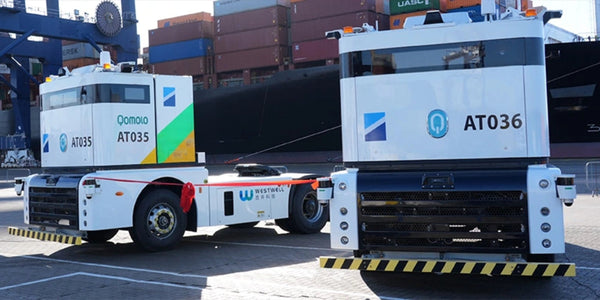
The Port of Felixstowe is expanding its autonomous electric truck fleet to 10...
Public Charging Price Watch: network choice can add £18 to a single charge
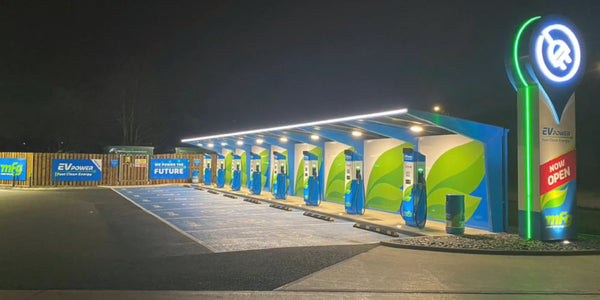
The difference between public rapid-charging tariffs remains wide enough to m...

New home-charging rights could widen company-car EV appeal
Government proposals could make it easier for tenants and leaseholders in Eng...
Simplifying fleet electrification starts with smarter integration and less admin
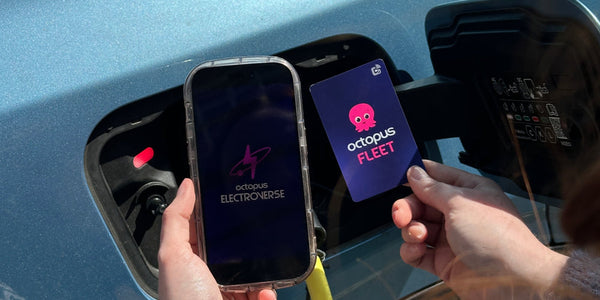
Fleet electrification has transformed the role of the fleet manager, bringing...

Business Lease Shortlist: four fresh electrified options for fleet drivers
This week’s Business Lease Shortlist brings together four vehicles covering a...

Fleets should prepare now for the next £170m depot charging funding window
Fleet operators planning electric vans, trucks or coaches should start prepar...

Business lease deals of the week: sub £200p/m winners
This week’s Business Lease Deals of the Week brings together three compelling...

Better Fleet: Futureproof EV policy by managing rules like an operating system
An EV policy written today will change as charging technology develops, vehic...

Better Fleet: EV policy needs to be fair without pretending every driver has the same circumstances
Uniformity is attractive in fleet policy. One rule is easier to communicate, ...