


Toyota has called for more flexible vehicle emissions regulations in the UK and Europe, arguing that targets must reflect customer demand, market conditions and the pace of the transition to zero-emission vehicles.
As the EU develops its Automotive Package and Industrial Accelerator Act - a legislative framework designed to safeguard European manufacturing - and the UK reviews its Zero Emission Vehicle (ZEV) mandate, Toyota is urging policymakers to adopt a more pragmatic approach to decarbonisation.
The manufacturer wants the EU to move towards a "Made with Europe" policy, recognising trusted trading partners including the UK, Turkey and Japan. It argues that closer collaboration would strengthen the automotive supply chain, support investment and improve Europe’s competitiveness in the car market.
It also calls for greater flexibility around CO₂ targets, including a five-year compliance window from 2028 to 2032. For light commercial vehicles (LCVs), it proposes a 35% emissions reduction target by 2030 and 80% by 2035, alongside averaging provisions to reflect the needs of business users.

The company also wants vehicles running exclusively on eligible renewable fuels to qualify as zero-emission, while calling for fuel-cell vehicles to be temporarily excluded from localisation requirements.
In the UK, Toyota is proposing a maximum ZEV share of 50% for new cars and 40% for LCVs by 2030, with additional compliance flexibilities. It also wants the UK framework aligned more closely with the EU and a clear pathway established through to 2035.
Toyota says a realistic, consistent regulatory framework is essential to give manufacturers and suppliers the confidence to invest, while supporting the transition to lower-emission vehicles.
What does this mean for fleets? As manufacturers increasingly call for ZEV mandate flexibility, the outcome that could follow will inevitably have an impact on both the new and used vehicle marketplace.
In the past, we've seen battery electric vehicles (BEVs) heavily discounted in a bid for manufacturers to meet mandate targets, while the used market remains buoyant with strong values of popular makes and models. Toyota's proposal, if successful, has the potential to allow petrol or hybrid vehicles to be more widely available for longer, which comes as not all drivers can make the effective switch to a full EV.
Similar Stories
OMODA 4 compact SUV confirmed for UK launch in 2027
Omoda has confirmed its new compact SUV, the Omoda 4, will be available to UK...

iCAUR confirms V27 SUV for UK launch in 2027
Chinese automotive brand iCAUR will make its UK debut in early 2027, with the...

Updated Mazda CX-30 brings new trim and subtle tweaks
Mazda has unveiled its updated 2027 CX-30, with a wider model range, revised ...
Van tool theft costs UK businesses £1.7bn as fleets face costly downtime
Tool theft is causing significant disruption for UK van fleets, with one in f...

New Government data gives fleets another reason to reassess EV-ready routes
The Department for Transport has updated its monthly public EV charging infra...
£2500 grant strengthens the case for compact electric vans
Volvo's new EX30 Cargo has secured eligibility for the Government's Zero Emis...

Lloyds brings Lex Autolease, Tusker and Black Horse together under Lloyds Auto
Lloyds Banking Group is bringing Black Horse, Lex Autolease and Tusker togeth...
Autoglass takes ADAS recalibration mobile to reduce fleet downtime
Autoglass has launched Mobile Recalibration Pro, a new service designed to co...

Google Maps and Waze add live UK fuel prices to help fleets cut forecourt costs
Google has launched live petrol and diesel pricing across Google Maps and Waz...
Public Charging Price Watch: keep an eye on rapid-charging costs
Public charging remains essential for many electric fleets, but new cost comp...
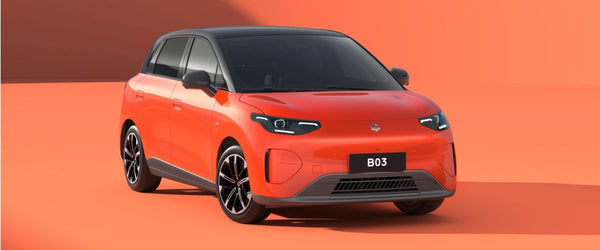
Leapmotor B03 revealed: 242-mile range, arrives 2027
Leapmotor has unveiled the B03, an all-electric B-segment hatchback combining...

Octopus Fleet launches FleetBoost to cut public EV charging costs
Octopus Fleet has launched FleetBoost, a new scheme designed to reduce public...
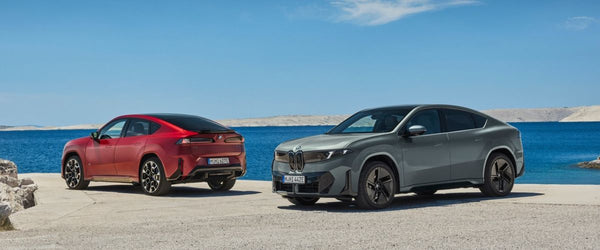
BMW iX4 unveiled with up to 514-miles of range
BMW has unveiled its new fully-electric iX4, with the Neue Klasse SUV coupe s...
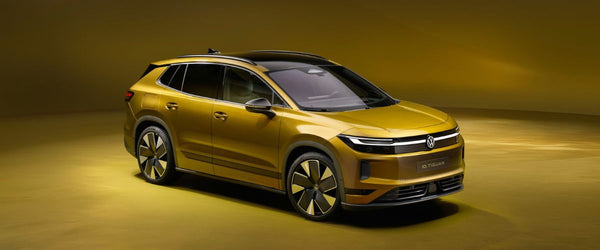
Volkswagen ID. Tiguan unveiled, replaces ID.4 and ID.5
Volkswagen has unveiled the new ID. Tiguan, an all-electric mid-size SUV set ...
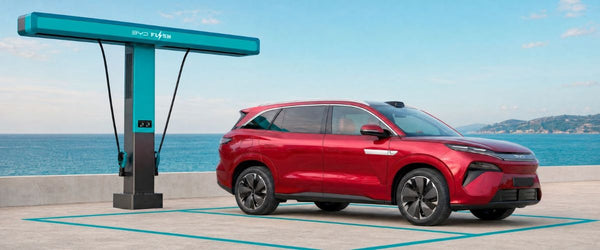
BYD Atto 8 unveiled with Flash charging capabilities, 10-97% in 9 mins
BYD has unveiled its new flagship all-electric SUV, the Atto 8, at the Paris ...

Smart #2 revealed, offering fleets an ultra-compact city runaround
Smart has unveiled its all-electric #2 two-seater at the Paris Motor Show, re...
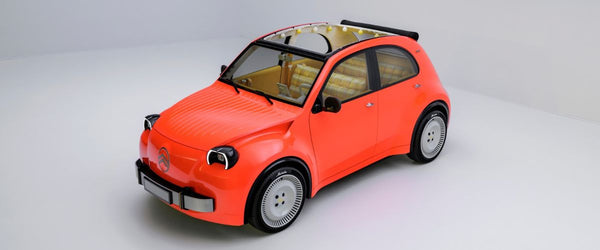
Citroen 2CV Concept revealed, previewing €15,000 car for urban fleets
Fleets shopping for an affordable, urban city car have a good selection, whic...
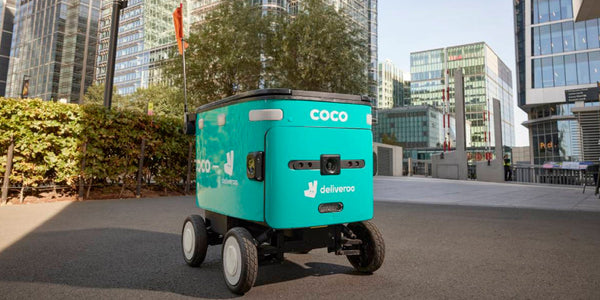
Autonomous delivery starts competing for the shortest commercial journeys
Deliveroo and Coco Robotics are introducing autonomous delivery robots into U...

Electric rigid trucks are becoming a practical regional fleet option
The growing IVECO S-eWay range shows how battery-electric trucks are expandin...

AA puts vehicle downtime at the centre of fleet resilience
The AA has used Fleet & Mobility Live 2026 to launch a new report focused...
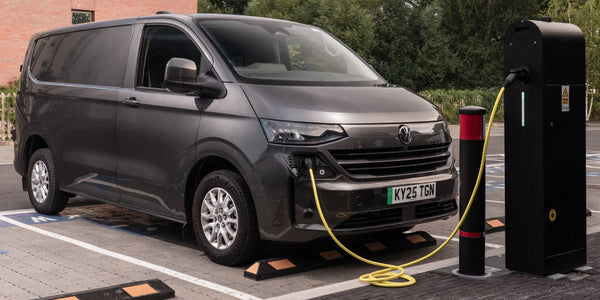
Record electric-van month gives fleets more confidence to move suitable routes
September delivered the strongest month yet for battery-electric van registra...

PayByPhone gives fleets live control of parking spend
PayByPhone has launched Mission Control for Business, giving fleet operators ...

Rightcharge and vaylens automate home charging reimbursement for fleets
Rightcharge and vaylens have partnered to automate home charging reimbursemen...
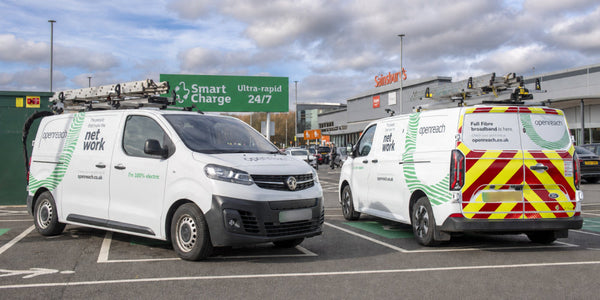
Openreach puts connected technology across 23,000 vehicles
Openreach is introducing Geotab connected-vehicle technology across more than...
Chinese EV tariffs could reshape fleet pricing and choice
The UK Government is considering possible tariffs on Chinese-made electric ve...
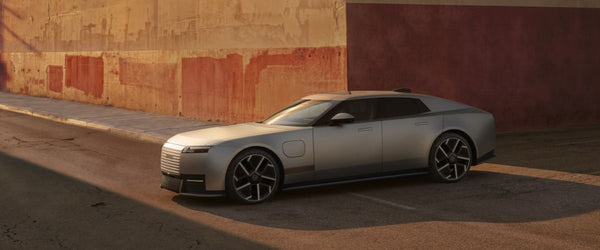
Jaguar Type 01 offers fleets a new boardroom express
After over three years of waiting, the Jaguar Type 01 has finally lifted cove...
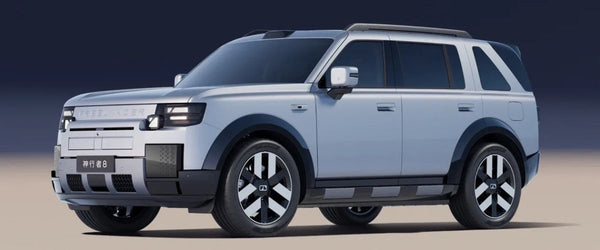
Freelander brand confirms it will launch in UK
The revived Freelander name is set to return to the UK as a standalone automo...
Cupra Tavascan gains entry-level model, starts from £39,995
Cupra has expanded its all-electric Tavascan range with a new entry-level spe...
Ultra-rapid charging growth accelerates by nearly 40%, Zapmap reveals
The UK’s public EV charging network added almost 8,700 chargers during the fi...
Renault ups driving range on Megane and Scenic E-Tech, both eligible for £3,750 government grant
Renault has revamped its Megane E-Tech electric and Scenic E-Tech models with...