


A fleet of Aberdeen hydrogen buses is providing a striking reminder that emerging propulsion technologies need to be assessed on disposal value as well as operating cost.
Aberdeen City Council originally invested around £13.9m in 25 hydrogen double-deckers, equating to roughly £556,000 per vehicle. First Bus is now set to acquire 23 of them for around £30,000 each.
That represents residual value of only around 5% of the original average purchase cost.
For fleet managers, the lesson is broader than hydrogen.
Any emerging technology can carry additional residual-value, infrastructure and secondary-market risk. Those factors need to be included when comparing whole-life costs rather than relying solely on fuel, maintenance or emissions benefits.
Before adopting less mature technologies, fleets should ask who is likely to buy the asset at the end of its first life, what infrastructure will remain available and how sensitive the business case is to a weaker-than-expected residual value.
Innovation can still be worthwhile, but exit strategy needs to form part of the procurement decision from day one.
Similar Stories

Business lease shortlist: four EVs worth comparing below £350 a month
Electric fleet choice is broadening quickly, and current lease pricing shows ...
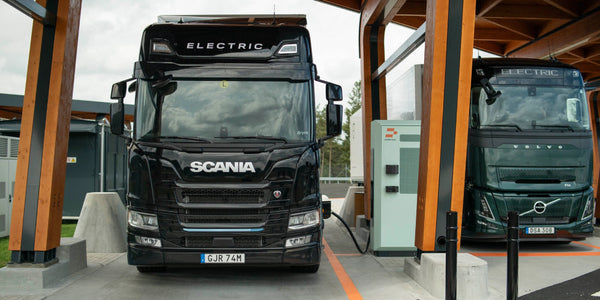
Megawatt charging is starting to fit around HGV rest periods
Electric truck charging is beginning to align more closely with the working p...

One charging record could simplify home, depot and public EV costs
Paua and Zaptec have partnered to bring home, workplace, depot and public cha...

BYD brings Chinese competition to Europe’s electric-truck market
Chinese manufacturer BYD plans to introduce its first heavy-duty truck in Eur...
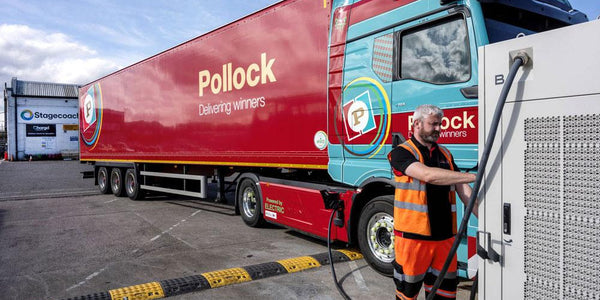
Shared depot charging unlocks a 320-mile electric HGV route
Gregory Group is using Stagecoach’s Inverness bus depot to charge electric HG...

Public Charging Price Watch: how much should fleets really be paying?
The UK average for PAYG rapid and ultra-rapid charging currently stands at ar...
Home charging gets easier for drivers without driveways
A key barrier to home EV charging is being reduced, with the Government confi...
Used EV values rise in August, but September registrations could apply pressure
Used electric vehicle values continued a period of recovery in August, with t...

Chery to expand its UK lineup with four new and refreshed models
Chinese car manufacturer, Chery is set to expand its UK lineup with four new ...

Volvo XC60 and XC90 SUVs given huge EV range boost
Volvo has given the XC60 and XC90 plug-in hybrid models a significant battery...
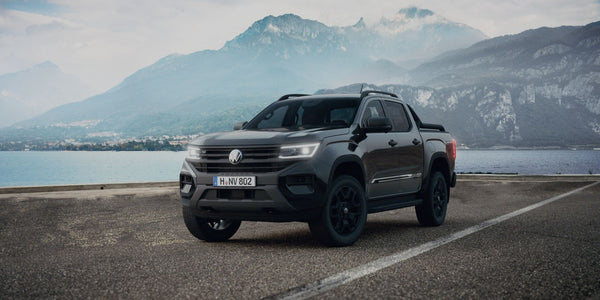
Volkswagen Amarok Dark Label Special Edition added to UK line-up
Volkswagen has opened UK order books for a new version of its pickup truck; c...
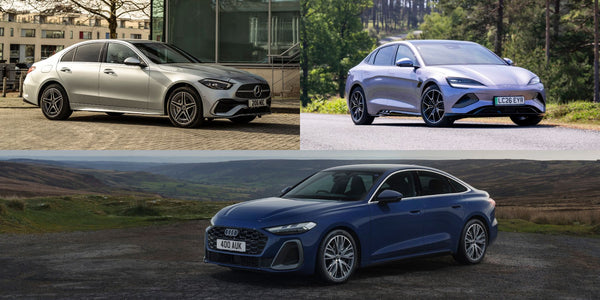
Business lease deals of the week: executive practicality
This week, we've found three top business lease deals on three executive cars...

Another one? Chinese brand, Li Auto eyes up European market with i6 SUV
Chinese premium car manufacturer, Li Auto is preparing to expand into Europe,...
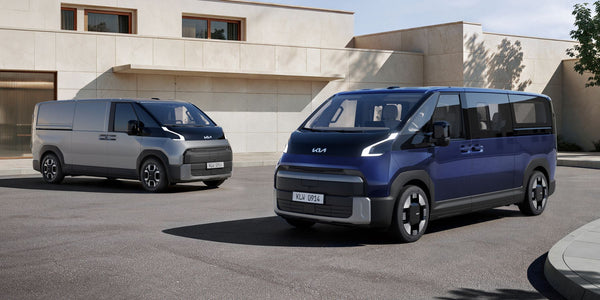
All-electric Kia PV7 unveiled | 286-mile range and 1,200kg payload
Kia has unveiled its new PV7 electric van, which gives fleets a longer, more ...
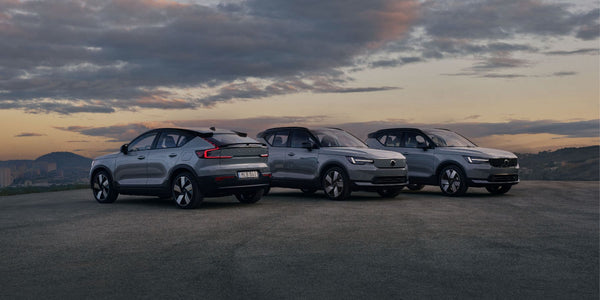
Volvo XC40, EX40 and EC40 facelifts unveiled
Volvo has unveiled the facelift versions of its XC40, EX40 and EC40 models, w...
BYD launches Approved Repair network, strengthening aftersales support
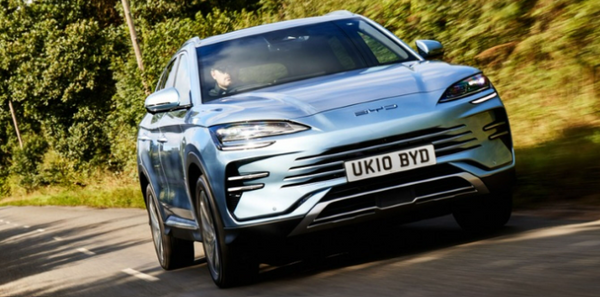
Chinese car giant, BYD has launched a 138 strong network of Approved Repair c...

Better Fleet: Your practical playbook for making fleet records easier to retrieve
Useful fleet information should still be useful six months after it was creat...
Better Fleet: Could the future be searching across your fleet systems without replacing them?
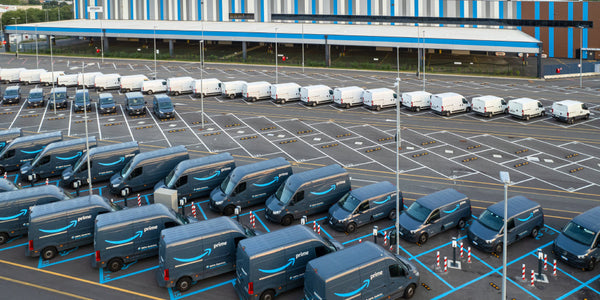
Fleet technology has traditionally presented businesses with two choices: Lea...

Better Fleet: Make fleet information easier to retrieve by making it easier to recognise
Having a record and being able to find it are two different things. A fleet m...
Public Charging Price Watch: Lidl cuts rapid charging to 59p/kWh
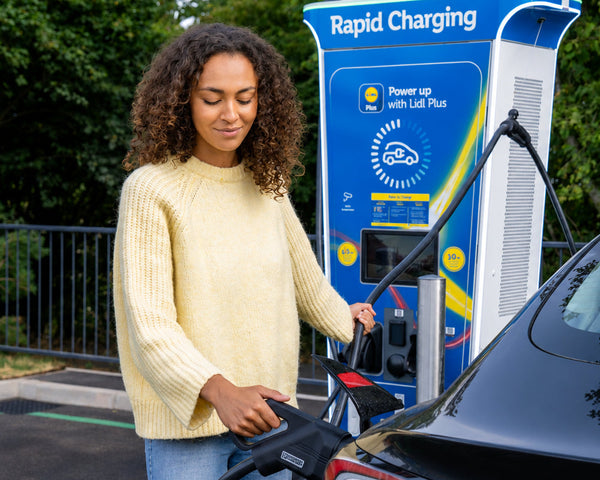
Lidl has reduced rapid EV charging to 59p/kWh for Lidl Plus users, down from ...
AA/Toyota Mythbuster Rally proves long-range viability of EVs
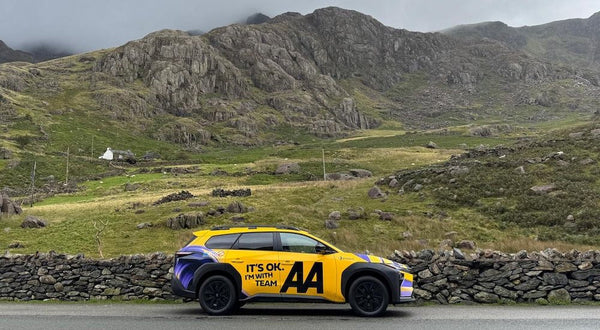
The AA and Toyota are taking part in a 1850-mile EV Mythbusters Rally across ...

Success Story: what fleets can learn from Greencore’s 191-van transformation
Greencore is nearing completion of a 191-vehicle urban delivery-van renewal p...

Motorway charging growth increasingly depends on the grid behind it

New commercial energy hub gives fleets more than one route to decarbonisation
Construction has started on a new Sheffield energy hub designed specifically ...
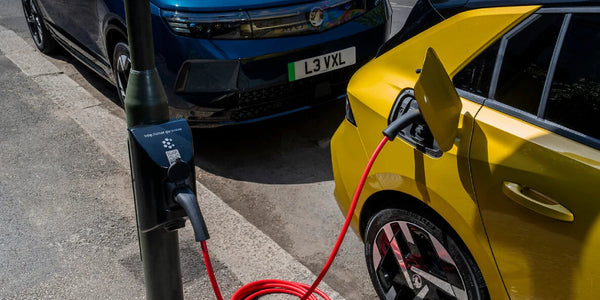
On-street charging gap remains a challenge fleets cannot solve alone
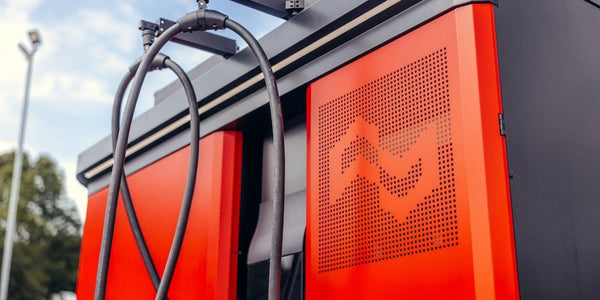
Battery-buffered charging offers workaround where grid connections are weak
SP Energy Networks is expanding battery-buffered EV charging across three ope...
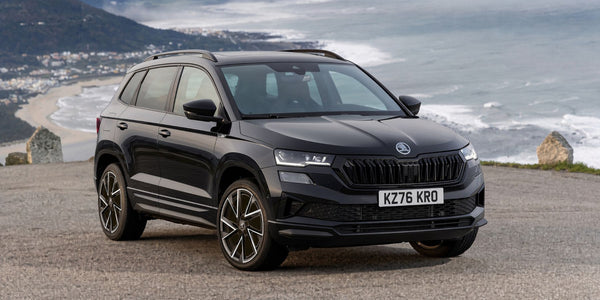
Skoda Karoq SUV gains range-topping Black Edition
Skoda is expanding its Karoq SUV range with a new Black Edition, which become...
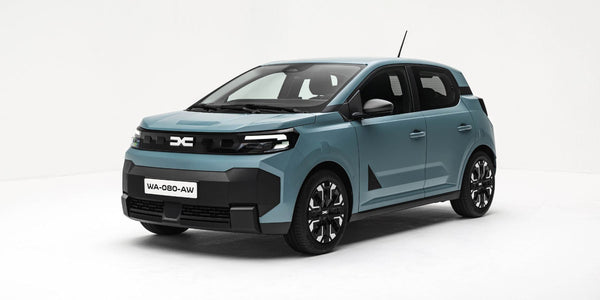
Dacia Spring unveiled - and it's secretly a Renault Twingo
Affordable EV superminis are popular with fleets looking to manage their cost...
Business lease deals of the week: hybrids to go all the way
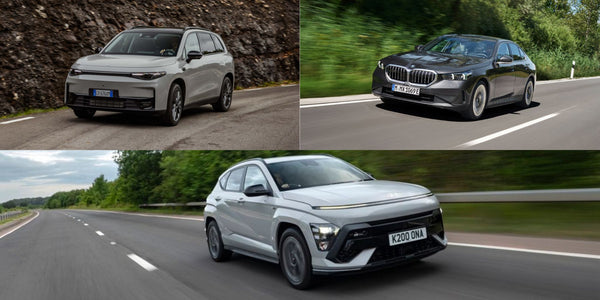
This week, we've picked out three excellent lease deals on hybrid vehicles to...

Kia adds performance GT trim to EV3, EV4 and EV5
Kia has expanded its GT trim line portfolio by adding it to three electric mo...
Audi A2 e-tron unveiled with 401-mile range and £32k starting price
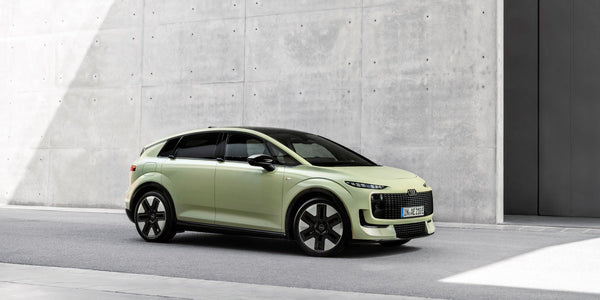
Fleets shopping for a practical lower medium EV have a brand new option, the ...
Fleet registrations take 57% market share in August, but September will be 'real acid test' says SMMT
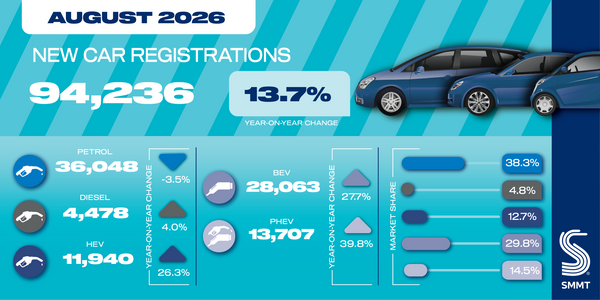
New car registrations grew by 13.7% in August 2026 with fleets taking a 57.2%...
Xpeng sets up own UK retail network ahead of two new model launches
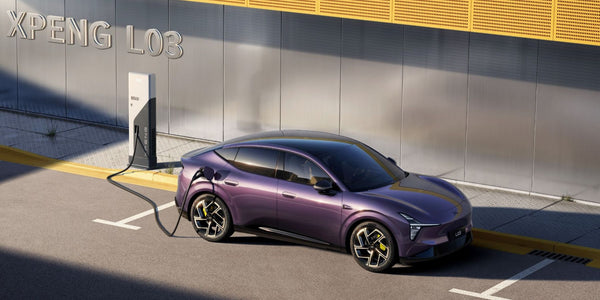
Chinese car maker, Xpeng has moved its UK sales operations in-house, moving a...

Business lease shortlist: four electrified cars worth comparing

Tomorrow’s company-car drivers may arrive expecting an EV

AI fleet systems are starting to recommend the next action

Small fleets should expect simpler mobility payments
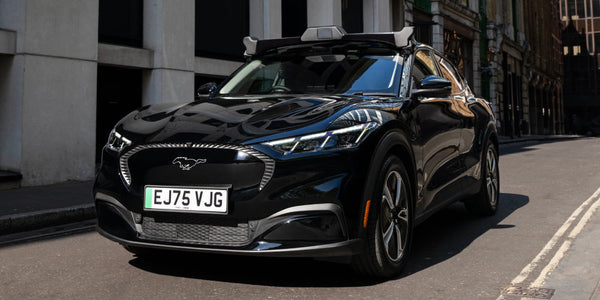
Autonomous fleet operations move from UK plans to passenger journeys
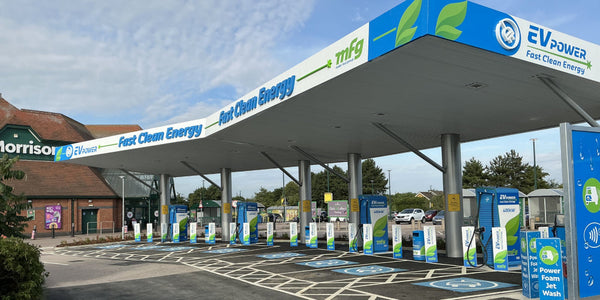
59p/kWh rapid charging offers fleets a September saving
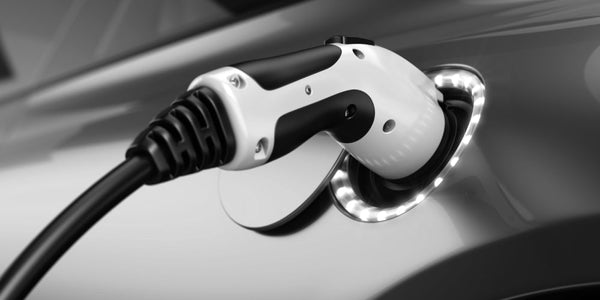
EV charging could start earning fleets money

New HMRC mileage rates are live – check reimbursement settings now
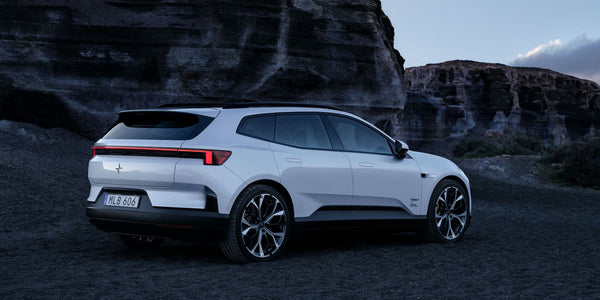
Polestar 4 SUV unveiled, adding practicality to stylish EV
Fleets that enjoyed the Polestar 4 now have the option of a more practical ve...
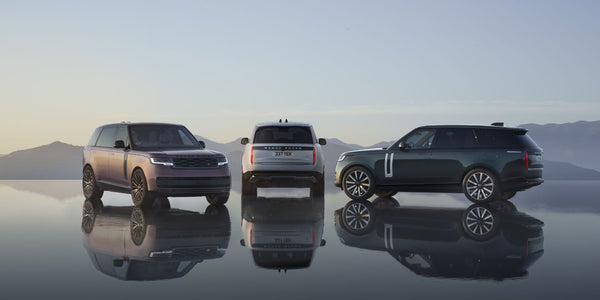
All-electric Range Rover finally lifts covers
Fleets looking for a Range Rover-style SUV with a full EV powertrain had plen...
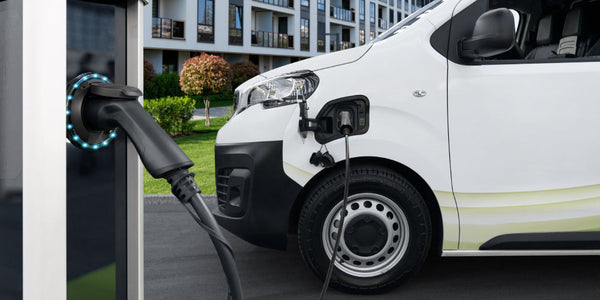
Seven in 10 UK tradespeople considering switch to electric vans, study finds
More than seven in 10 UK tradespeople are considering switching to an electri...
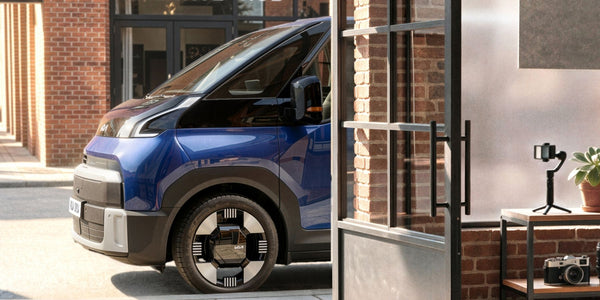
Kia PV7 electric van teased ahead of reveal at IAA Transportation show
The Kia PV7 has been teased ahead of its official unveiling at the IAA Transp...